The Hidden Mold Crisis: How Extreme Weather Is Creating a Silent Health Emergency
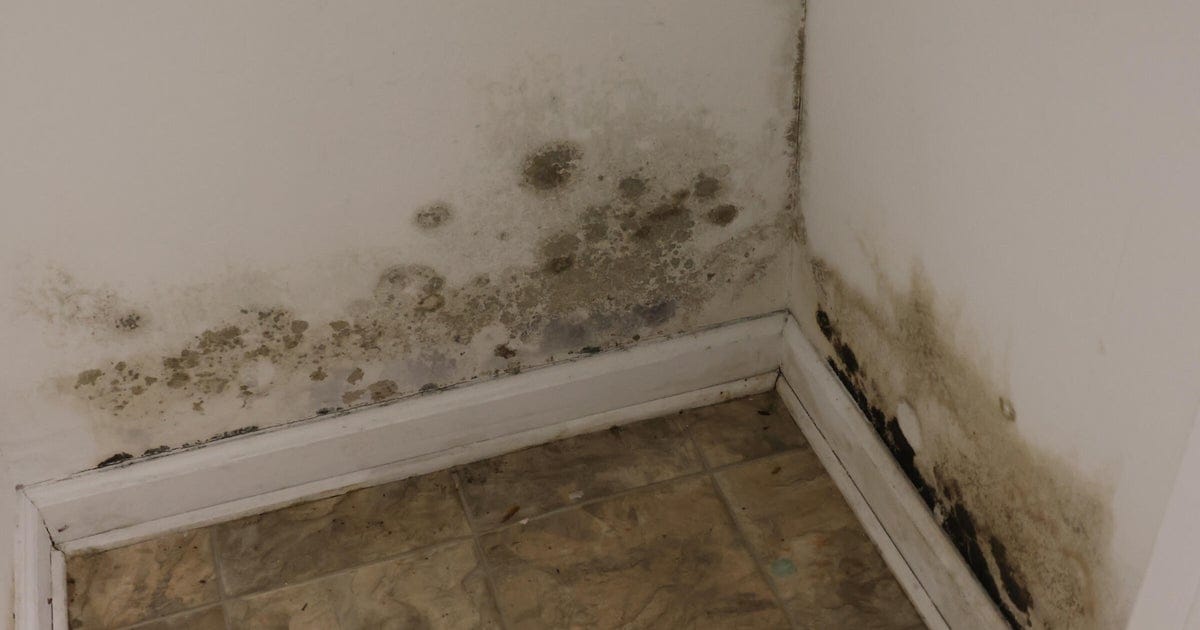
Severe mold growth

In the wake of worsening hurricanes, floods, and unpredictable weather across the U.S., a silent threat is spreading through millions of homes — and most people won’t see it until it’s too late. Mold, often hidden behind walls or quietly growing after a storm, is becoming one of the most widespread post-disaster hazards affecting families, real estate, and property markets.

A Problem Affecting Nearly Half of All Homes

According to recent estimates, about 47% of U.S. homes already have mold or dampness problems. With more extreme storms hitting coastal and inland states alike, this number continues to rise — and so do the health risks that come with it.

Did you know? 29% of Americans live in coastal counties. That’s over 95 million people at high risk for mold exposure every hurricane season.

In Tallahassee, Florida, a returning college student discovered mold covering nearly every surface of her apartment — her bed, clothing, furniture, even her purse. After a summer filled with severe storms, her home had turned into a breeding ground for spores during her absence.

How Mold Takes Hold After a Storm

Experts warn that mold can begin growing in as little as 24–48 hours if water intrusion is not thoroughly dried. Flooding, roof leaks, poor ventilation, and HVAC condensation all create perfect environments for mold to flourish — even in spotless homes.

“Mold exposure is strongly linked to respiratory issues such as asthma flare-ups, chronic congestion, skin irritation, and in severe cases, long-term lung inflammation.” — Harvard T.H. Chan School of Public Health

The issue is not just visible mold, either. One homeowner in Houston discovered toxic mold hidden deep inside her walls — and her family’s unexplained health decline suddenly made sense.

The Financial Toll: A Growing Burden on Homeowners

Mold remediation is costly. On average, homeowners spend between $1,222 and $3,751 to address mold issues. Severe contamination, however, can exceed $30,000, especially when structural repairs are needed.

Even with insurance, many households — especially those in low-income or high-risk flood areas — struggle to obtain timely help. With federal disaster relief programs facing political headwinds and budget cuts, families in need often wait years for assistance.

Communities Left Behind

In many storm-hit communities, families face an impossible choice: continue living in unsafe, mold-infested homes or risk homelessness. Some wait months — even years — for remediation assistance. During that time, chronic health issues escalate for adults and children alike.

In North Carolina, a “mold busters” training program now teaches residents how to safely remove mold themselves — a grassroots response to long delays in federal and state aid.

A Warning for the Real Estate & Housing Industry

For real estate agents, property managers, insurance professionals, and landlords, mold is no longer a rare post-storm concern — it is quickly becoming a major factor in property valuation, tenant safety, and buyer decision-making.

As climate change intensifies, hurricanes and severe storms are expected to become more frequent and destructive. This means more flooding, more water intrusion, and ultimately, more mold. Proactive prevention, updated building codes, stronger flood-resistant designs, and faster relief funding will be essential to protecting America’s housing stock.

What Professionals Can Do Now

  • Educate clients and tenants on early mold detection
  • Recommend post-storm inspections within the first 48 hours
  • Encourage moisture-prevention upgrades in older homes
  • Review insurance policies for mold-related coverage
  • Promote flood-resistant building materials in high-risk zones

Mold may be invisible — until it isn’t — but its impact on health, housing, and financial stability is anything but hidden. As severe weather events grow more frequent, understanding and mitigating this threat becomes essential for every homeowner and every professional in the real estate ecosystem.


More Articles

Getting licensed or staying ahead in your career can be a journey—but it doesn’t have to be overwhelming. Grab your favorite coffee or tea, take a moment to relax, and browse through our articles. Whether you’re just starting out or renewing your expertise, we’ve got tips, insights, and advice to keep you moving forward. Here’s to your success—one sip and one step at a time!

FinCEN’s Nationwide AML Rule Reshapes Title and Real Estate Compliance for 2025–2026

The title and real estate industries are entering their most dramatic compliance overhaul in decades. FinCEN’s new anti‑money‑laundering rule now applies to every state, enforces a first‑dollar reporting requirement, and places full responsibility on settlement agents. With the rule already in effect and mandatory reporting beginning March 1, 2026, professionals face urgent operational changes involving software, training, and entity‑buyer disclosures. Combined with state‑level rate shifts and heightened scrutiny of attorney opinion letters, 2025 marks a turning point that demands stronger compliance literacy across the entire real estate and finance ecosystem.

7 Retirement Trends Shaping 2026: What Professionals Should Know

Retirement planning went through major changes in 2025, from new SECURE Act updates to shifting investment behaviors. As we move into 2026, seven key trends are reshaping how Americans save and build long‑term wealth. These shifts matter not only for everyday investors but also for professionals across real estate, finance, mortgage, insurance, and other licensed fields. Understanding these developments can help you strengthen your own financial strategy while staying competitive in your career.

Florida’s Real Estate Cooldown: Insurance Costs Are Now the Biggest Dealbreaker

Florida’s housing market is cooling faster than any other state, and soaring insurance premiums are the primary force driving buyers away. With cancellation rates in major metros topping 20%, steep price drops across Southwest Florida, rising HOA and condo fees, and thousands of homes added to new flood zones, many buyers are discovering that insurance—not the mortgage—is what kills the deal. As Citizens shrinks and new legislation raises coverage requirements, professionals in real estate, mortgage, and insurance must adapt quickly to a market where affordability hinges on risk, regulation, and rising premiums.

Commercial Real Estate in 2026 Shows Signs of Stabilization and Strategic Growth

Commercial real estate is entering 2026 with renewed optimism as pricing floors, revitalized capital markets, and improved market visibility signal a shift away from the volatility of 2025. Analysts from Deloitte, Colliers, Cushman & Wakefield, and CoStar highlight firmer fundamentals, rising deal flow, and increased lender participation. Key sectors such as office, industrial, retail, multifamily, and data centers are showing distinct recovery patterns, positioning industry professionals and students for new opportunities in the year ahead.

Why Florida Insurance Rates Are Falling but Premiums Keep Climbing

Florida’s property insurance market is finally stabilizing after years of storms, lawsuits, and rising rates — yet many homeowners are still seeing higher bills. The reason isn’t the rates themselves but soaring replacement values driven by inflation in labor and building materials. Even as insurers lower rates, the cost to rebuild a home continues to rise, making up roughly 75% of recent premium increases. With new insurers entering the market and reforms taking effect, homeowners now have more options to shop, recalculate coverage, and control their costs.

Why Microcredentials Will Dominate 2026 Hiring — And How Professionals Can Stay Ahead

The 2026 job market is shifting fast, and the biggest winners will be professionals who can prove they’re continuously learning. With more than 90% of employers now preferring candidates with microcredentials, short targeted certificates are becoming the new career currency. From AI and data skills to modern communication and adaptability, microcredentials are helping workers stand out in a competitive landscape — especially as industries like real estate, mortgage, insurance, and finance demand ongoing upskilling.