The Hidden Mold Crisis: How Extreme Weather Is Creating a Silent Health Emergency
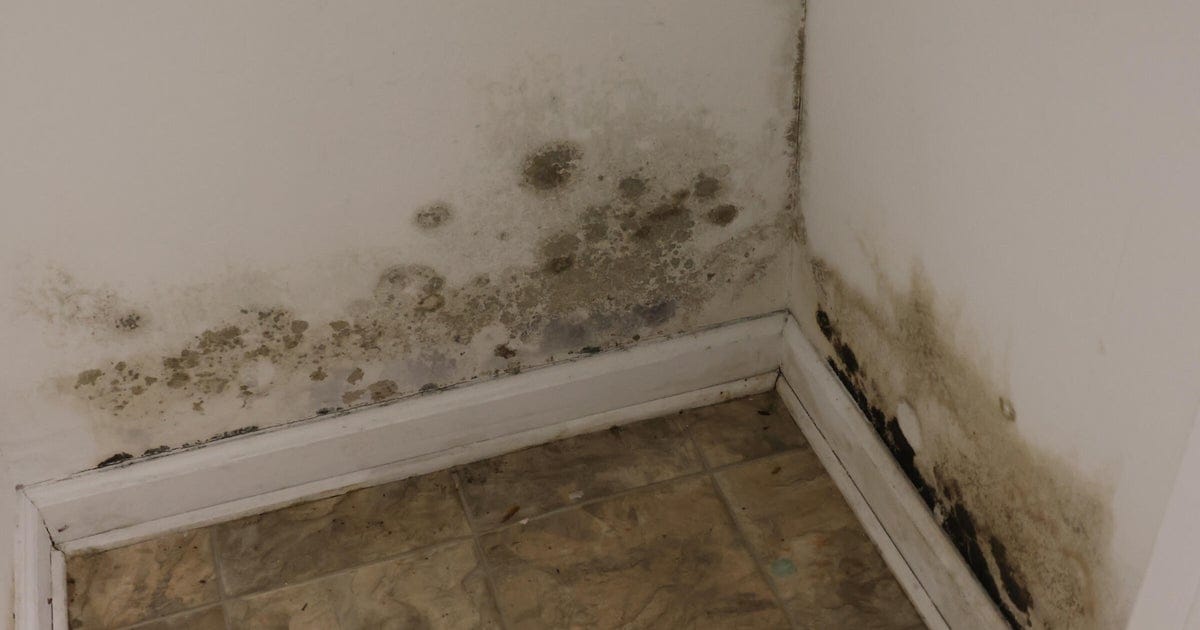
Severe mold growth

In the wake of worsening hurricanes, floods, and unpredictable weather across the U.S., a silent threat is spreading through millions of homes — and most people won’t see it until it’s too late. Mold, often hidden behind walls or quietly growing after a storm, is becoming one of the most widespread post-disaster hazards affecting families, real estate, and property markets.

A Problem Affecting Nearly Half of All Homes

According to recent estimates, about 47% of U.S. homes already have mold or dampness problems. With more extreme storms hitting coastal and inland states alike, this number continues to rise — and so do the health risks that come with it.

Did you know? 29% of Americans live in coastal counties. That’s over 95 million people at high risk for mold exposure every hurricane season.

In Tallahassee, Florida, a returning college student discovered mold covering nearly every surface of her apartment — her bed, clothing, furniture, even her purse. After a summer filled with severe storms, her home had turned into a breeding ground for spores during her absence.

How Mold Takes Hold After a Storm

Experts warn that mold can begin growing in as little as 24–48 hours if water intrusion is not thoroughly dried. Flooding, roof leaks, poor ventilation, and HVAC condensation all create perfect environments for mold to flourish — even in spotless homes.

“Mold exposure is strongly linked to respiratory issues such as asthma flare-ups, chronic congestion, skin irritation, and in severe cases, long-term lung inflammation.” — Harvard T.H. Chan School of Public Health

The issue is not just visible mold, either. One homeowner in Houston discovered toxic mold hidden deep inside her walls — and her family’s unexplained health decline suddenly made sense.

The Financial Toll: A Growing Burden on Homeowners

Mold remediation is costly. On average, homeowners spend between $1,222 and $3,751 to address mold issues. Severe contamination, however, can exceed $30,000, especially when structural repairs are needed.

Even with insurance, many households — especially those in low-income or high-risk flood areas — struggle to obtain timely help. With federal disaster relief programs facing political headwinds and budget cuts, families in need often wait years for assistance.

Communities Left Behind

In many storm-hit communities, families face an impossible choice: continue living in unsafe, mold-infested homes or risk homelessness. Some wait months — even years — for remediation assistance. During that time, chronic health issues escalate for adults and children alike.

In North Carolina, a “mold busters” training program now teaches residents how to safely remove mold themselves — a grassroots response to long delays in federal and state aid.

A Warning for the Real Estate & Housing Industry

For real estate agents, property managers, insurance professionals, and landlords, mold is no longer a rare post-storm concern — it is quickly becoming a major factor in property valuation, tenant safety, and buyer decision-making.

As climate change intensifies, hurricanes and severe storms are expected to become more frequent and destructive. This means more flooding, more water intrusion, and ultimately, more mold. Proactive prevention, updated building codes, stronger flood-resistant designs, and faster relief funding will be essential to protecting America’s housing stock.

What Professionals Can Do Now

  • Educate clients and tenants on early mold detection
  • Recommend post-storm inspections within the first 48 hours
  • Encourage moisture-prevention upgrades in older homes
  • Review insurance policies for mold-related coverage
  • Promote flood-resistant building materials in high-risk zones

Mold may be invisible — until it isn’t — but its impact on health, housing, and financial stability is anything but hidden. As severe weather events grow more frequent, understanding and mitigating this threat becomes essential for every homeowner and every professional in the real estate ecosystem.


More Articles

Getting licensed or staying ahead in your career can be a journey—but it doesn’t have to be overwhelming. Grab your favorite coffee or tea, take a moment to relax, and browse through our articles. Whether you’re just starting out or renewing your expertise, we’ve got tips, insights, and advice to keep you moving forward. Here’s to your success—one sip and one step at a time!

Trump’s 2026 Mortgage Rate Prediction: What Real Estate Pros Should Really Expect

President Trump recently suggested mortgage rates will drop “a lot lower” by early 2026, sparking industry-wide curiosity — but current economic data tells a more measured story. With today’s 30‑year fixed hovering near 6.25%, experts say meaningful declines remain possible, though not guaranteed, and would depend on softer inflation, weaker economic signals, or a shift in bond market behavior. While political comments created headlines, analysts emphasize that only market conditions — not rhetoric — can drive rates down. Independent forecasts already point toward mid‑5% rates by 2026, offering a potentially healthier landscape for buyers, agents, and mortgage professionals preparing for the next cycle.

Why Mortgage Executives Can’t Afford to Ignore AI

Artificial intelligence has moved from a futuristic concept to a central force driving today’s mortgage industry. From smarter underwriting to enhanced borrower experiences and tighter compliance, AI is transforming every corner of mortgage lending. As expectations rise and competition accelerates, AI literacy is no longer optional — it’s a core skill every mortgage, real estate and finance professional must master to stay relevant and lead confidently.

Global Commercial Real Estate Enters a Long-Term Era of Transformation

Global commercial real estate is shifting away from short-term recovery cycles and entering a long-term transformation driven by technology, sustainability, demographic change, and evolving work‑life patterns. Capital is becoming more selective, favoring resilient assets and alternative lenders, while high‑demand sectors such as industrial, logistics, data infrastructure, and specialized residential continue to outperform. Geography, sustainability standards, and flexibility are emerging as defining forces for the next cycle, signaling major opportunities—and challenges—for real estate professionals preparing for the future.

How AI Is Quietly Rewriting the Future of Real Estate

Artificial intelligence has moved from hype to essential infrastructure in the real estate world. From smarter valuations and predictive analytics to automated lead generation and personalized property-matching tools, AI is transforming how agents, brokers, lenders, and managers operate. As top platforms like Zillow, Redfin, Opendoor, and dozens more integrate deep‑learning technology, professionals across real estate, mortgage, insurance, and finance are being pushed to adapt. The future belongs to those who embrace these tools — and use them to elevate speed, accuracy, and client experience.

Florida’s Property Insurance Market Makes a Strong Comeback in 2025

Florida’s once‑troubled property insurance market has staged an impressive recovery after its near‑collapse in 2022. A new ALIRT Insurance Research report shows that legislative reforms, tighter underwriting and the arrival of new insurers have restored stability, reduced Citizens’ policy load and revived industry confidence. While risks remain, the rebound is reshaping housing affordability and creating fresh opportunities for real estate, mortgage and insurance professionals.

Florida Moves to Ban AI‑Only Insurance Claim Denials: What Professionals Need to Know

A new bill gaining momentum in Tallahassee would stop insurers from denying claims based solely on artificial intelligence. Championed by Rep. Hillary Cassell, the proposal aims to restore trust in Florida’s troubled insurance market by ensuring human oversight in decisions that affect homeowners, newcomers, and industry professionals. As debates intensify, experts warn AI is reshaping insurance faster than ever—making it critical for real estate, mortgage, and insurance professionals to understand the regulatory shifts ahead.