The Housing Paradox: Why Banning Institutional Investors Could Make Affordability Worse

Housing market discussion image

Few issues shape the American Dream more than housing. It determines security, community, and long-term opportunity. But as policy debates heat up in Washington, a new proposal is gaining national attention: restricting large institutional investors from purchasing single-family homes to use as rentals. Supporters believe this will slow price growth and open the door to more homeowners. However, a deeper look at the data paints a very different picture.

According to a recent Fortune analysis, banning institutional investors could actually harm the very families it claims to help, particularly young renters and racially diverse households seeking stable, affordable living. Instead of boosting homeownership, the policy risks removing essential housing options for millions.

Who Relies on Single-Family Rentals?

The U.S. housing market is undergoing a major generational shift. Traditional homeowners, particularly White non-Hispanic households, are aging out of their peak buying years. Meanwhile, younger, racially diverse populations are rapidly expanding, especially ages 26 through 40, the prime years for forming households.

This group faces income limitations, student debt burdens, and tighter credit conditions that keep homeownership out of reach. As a result, single-family rentals have become a critical stepping stone, offering space, stability, and access to schools without the immediate financial barriers of buying.

Data shows these renters are meaningfully younger than homeowners, averaging 43 years old compared to 54. Black and Hispanic households make up 40 percent of single-family renters but only 20 percent of homeowners, highlighting a persistent access gap.

What Rentership Rates Reveal

Across the nation, homeownership rates remain deeply unequal. While White non-Hispanic households sit near a 70 percent ownership rate, Black households remain around the mid 40 percent range, and Hispanic households only slightly above 50 percent. These structural barriers make renting, especially in single-family homes, a practical and often necessary option.

Within the renter population, the divide is even clearer. Black households rely on single-family rentals at more than twice the rate of White households, with Hispanic households close behind. Limiting rental supply does not fix these gaps. It only narrows access to housing for families already facing systemic barriers.

What Happens if Supply Shrinks?

Restricting institutional investment in single-family rentals may appear to target large financial players, but its effects are felt by renters, not corporations. According to the Center of Generational Kinetics National Renter Study, more than 1 in 10 renters in single-family homes would have nowhere stable to live if those homes were no longer available. Many would be forced into shelters, cars, motels, or overcrowded conditions. Others would need to rely on family or pivot into smaller multifamily units that do not meet their household needs.

Instead of making homeownership attainable, restricting rental supply pushes working families further away from the stability they are seeking.

A Better Solution for the Future of Housing

Americas housing challenge is ultimately a supply problem. Policymakers aiming to improve affordability should focus on expanding housing production of all types, not limiting it. Encouraging responsible investment, improving construction pipelines, and widening mortgage credit access will do more to create fairness and opportunity than restricting who can buy or build rental homes.

For current and aspiring real estate professionals, understanding these forces is essential. Housing trends like these shape buyer behavior, rental demand, and long-term market opportunities. That is why education matters more than ever, and why institutions like Cameron Academy focus on preparing students to navigate these evolving conditions with confidence.

If you are working toward a real estate, mortgage, or insurance license, or expanding your career in a competitive market, the right training can help you understand the deeper forces shaping modern housing. The conversation around affordability is far from over, and educated professionals will play a central role in shaping what comes next.

To read the full Fortune commentary, visit: Fortune.com

More Articles

Getting licensed or staying ahead in your career can be a journey—but it doesn’t have to be overwhelming. Grab your favorite coffee or tea, take a moment to relax, and browse through our articles. Whether you’re just starting out or renewing your expertise, we’ve got tips, insights, and advice to keep you moving forward. Here’s to your success—one sip and one step at a time!

Why Today’s High Mortgage Rates Matter More Than Ever for the Housing Market

A growing share of American homeowners now carry mortgage rates above 5%—a dramatic shift that’s reshaping refinancing, inventory, and buyer behavior nationwide. With more than 30% of borrowers locked into rates over 5% and 20% above 6%, the market is split between owners holding on to low pandemic‑era loans and new buyers taking on higher‑rate mortgages. Federal efforts to push rates down could unlock millions of refinancing opportunities, while buyers see only modest monthly savings. For real estate professionals, understanding these rate dynamics is crucial as they increasingly drive inventory levels, affordability, and market activity.

CRE Deal Volume Dips in December, but Office Sector Stages an Unexpected Comeback

New Moody’s data shows commercial real estate deal volume slipped 20% in December, marking a second monthly decline. Yet the full year tells a different story: 2025 ended with a 17% gain, signaling a quiet but resilient recovery. The biggest surprise came from the office sector, which posted a 21% jump in activity as return‑to‑office trends and AI‑driven job growth boosted demand. Multifamily, retail, and alternative assets like data centers also saw strong momentum, giving real estate professionals a market full of fresh opportunities heading into 2026.

Florida Kicks Off 2026 With Major Auto Insurance Rate Cuts and Market Stability

Florida drivers and industry professionals are heading into 2026 with good news: auto insurance rates are dropping across the state as the market shows strong signs of stabilization. USAA leads the latest wave with a 7% average rate decrease expected in May 2026, saving members more than $125 million annually. They join several major insurers — including State Farm, Progressive, AAA, Allstate, and Florida Farm Bureau — all approving significant reductions. Officials credit recent legislative reforms, especially tort reform, for the improved loss ratios and renewed insurer confidence. With both auto and home insurance markets strengthening, Florida’s real estate, mortgage, and insurance professionals can expect more consumer confidence, smoother transactions, and expanding career opportunities.

The 2024 Housing Shortage: Why America Is Still 1.2 Million Homes Behind

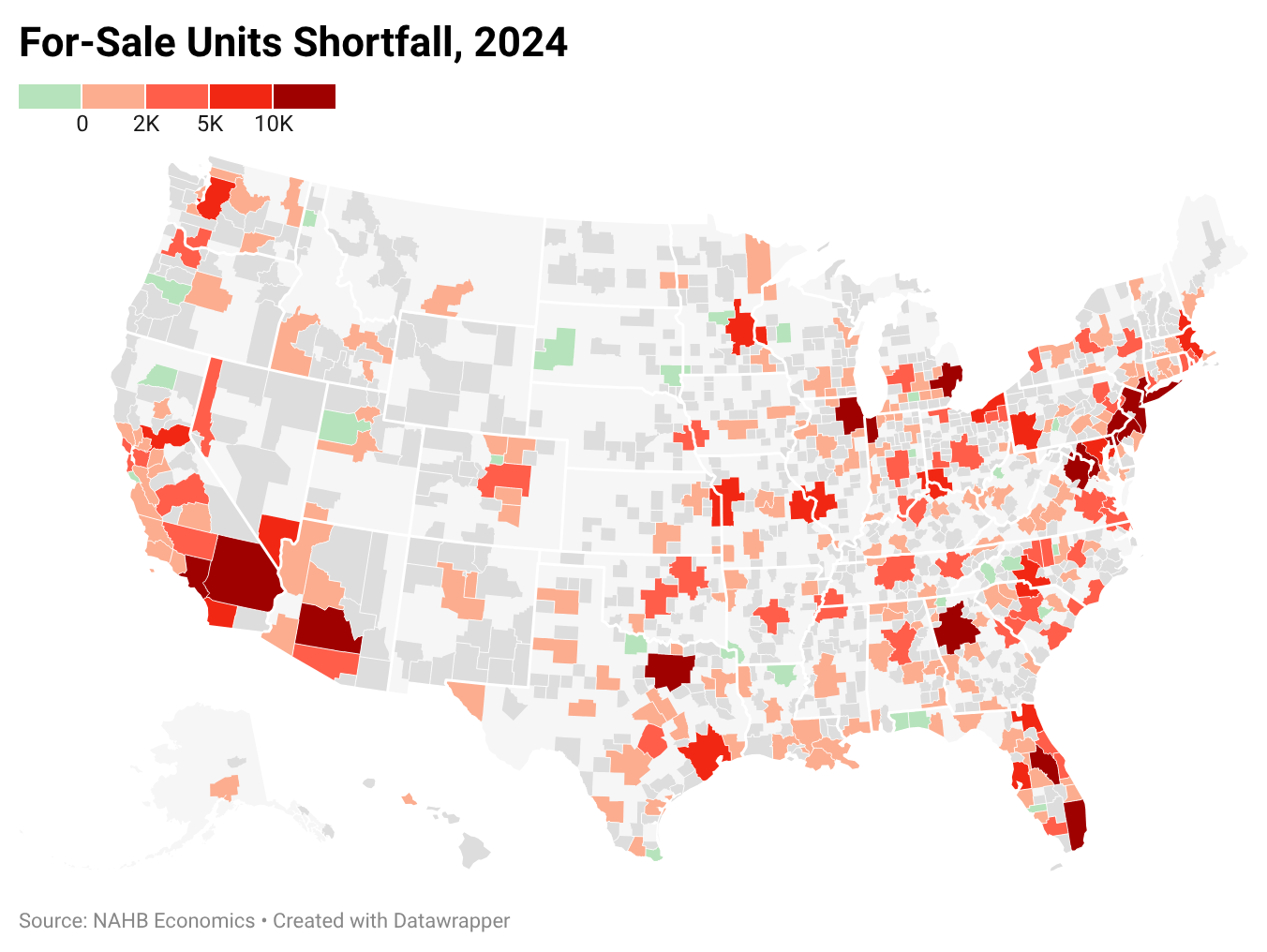
New data from Eye On Housing and the NAHB shows the U.S. remains short more than 1.2 million housing units, keeping pressure on both rents and home prices. Record‑low vacancy rates, slow single‑family construction, and restrictive zoning continue to fuel intense competition in 2024. Major metros like Chicago, New York, and Atlanta face some of the deepest deficits, and the true nationwide shortfall may be even higher when accounting for overcrowding and aging homes. For real estate professionals, the ongoing shortage means sustained demand, tighter inventory, and major opportunities for those who understand the evolving market.

AI Isn’t the Shiny Object Anymore — It’s the New System Driving Real Estate Success

Top real estate coach Jason Pantana says the divide between agents today isn’t about who has “tried” AI — it’s about who is immersed in it. In a new HousingWire interview, he explains why AI isn’t a gimmick but a full business system that amplifies output, improves authenticity, and reshapes how clients search for agents. From prompt mastery to AI‑driven visibility on Google, Pantana reveals how agents who commit even 15 minutes a day to learning AI are already outperforming those who hesitate.

DFW Commercial Real Estate 2025: Industrial Surges, Retail Shines, Office Struggles

Dallas–Fort Worth’s commercial real estate market closed 2025 with a split personality. Industrial dominated with massive new deliveries and soaring leasing demand, retail held steady with some of the market’s strongest fundamentals in years, and office continued to falter under remote‑work pressures. High vacancies, weak absorption, and rising demand for top‑tier space show the sector’s ongoing reset. Meanwhile, industrial and retail strength position the Metroplex for another powerhouse year heading into 2026.