In a recent Forbes article, a startling revelation has emerged regarding the undetected use of AI-generated content in academic settings. The study highlights that an overwhelming 94% of AI-generated college writing goes unnoticed by educators, raising significant concerns about the integrity of educational credentials.
The research, conducted by Peter Scarfe and his team at the University of Reading in the U.K., involved creating fake student profiles to submit AI-generated work. The findings were alarming: 97% of these submissions were not detected as AI-generated, posing a threat to the value of academic qualifications.
This issue is not isolated. Previous studies, such as one from the University of South Florida, found that even linguists struggled to differentiate between AI-generated and human-written text. Similarly, research from American universities in Vietnam indicated that AI detectors were significantly more effective at identifying AI content than human educators.
The implications are profound. As students continue to exploit AI tools for academic work, the risk of unqualified individuals entering critical professions like nursing and engineering increases, potentially endangering public safety.
Negligence in Detection
Despite the availability of AI detection technology, many educational institutions have been slow to adopt these tools. Some schools have even opted to disable AI detectors, inadvertently encouraging academic dishonesty. The reluctance to embrace detection technology is compounded by the cost and effort required to implement it effectively.
Consequences for Professional Readiness
The failure to detect AI-generated work not only undermines the credibility of educational qualifications but also jeopardizes the preparedness of graduates entering the workforce. In a competitive job market, the reliance on AI-generated content could lead to a workforce ill-equipped to handle real-world challenges.
As the educational landscape continues to evolve, the need for robust detection mechanisms becomes increasingly urgent. Without them, the integrity of academic achievements and the readiness of future professionals remain at risk.
For more insights on this topic, visit the original Forbes article.
More Articles
Getting licensed or staying ahead in your career can be a journey—but it doesn’t have to be overwhelming. Grab your favorite coffee or tea, take a moment to relax, and browse through our articles. Whether you’re just starting out or renewing your expertise, we’ve got tips, insights, and advice to keep you moving forward. Here’s to your success—one sip and one step at a time!
Illinois kicked off the new year with more than 200 laws taking effect, impacting professionals across healthcare, insurance, real estate, education, and other regulated industries. From major healthcare coverage expansions to new AI hiring limits, enhanced worker protections, school safety reforms, and upgraded public‑safety standards, nearly every sector will see meaningful changes. As compliance expectations grow, institutions like Cameron Academy help professionals stay prepared and career‑ready in an evolving regulatory landscape.
As commercial real estate moves beyond two turbulent years, 2026 is emerging as a year of growth for professionals who know where to look. According to First American economist Xander Snyder, the biggest wins may come not from booming sectors but from distressed properties—especially those with short‑term issues that can recover with creative financing, recapitalization, or strategic repositioning. Multifamily distress, selective office restructuring, and the rise of non‑QM lending are setting the stage for brokers, investors, and new licensees to capitalize on flexible deal‑making and evolving market conditions.
Housing is taking over the national spotlight in 2026, with federal leaders, big‑city mayors, and market professionals all zeroing in on affordability, supply, and sweeping policy changes. From President Trump’s promised reform agenda to looming Section 8 funding risks and aggressive city‑level zoning overhauls, the year is shaping up to be one of the most consequential periods for real estate and related licensed professions. For agents, mortgage brokers, insurance specialists, and anyone tied to the housing ecosystem, rapid shifts in policy and market conditions make 2026 a year where preparation, education, and adaptability will be essential.
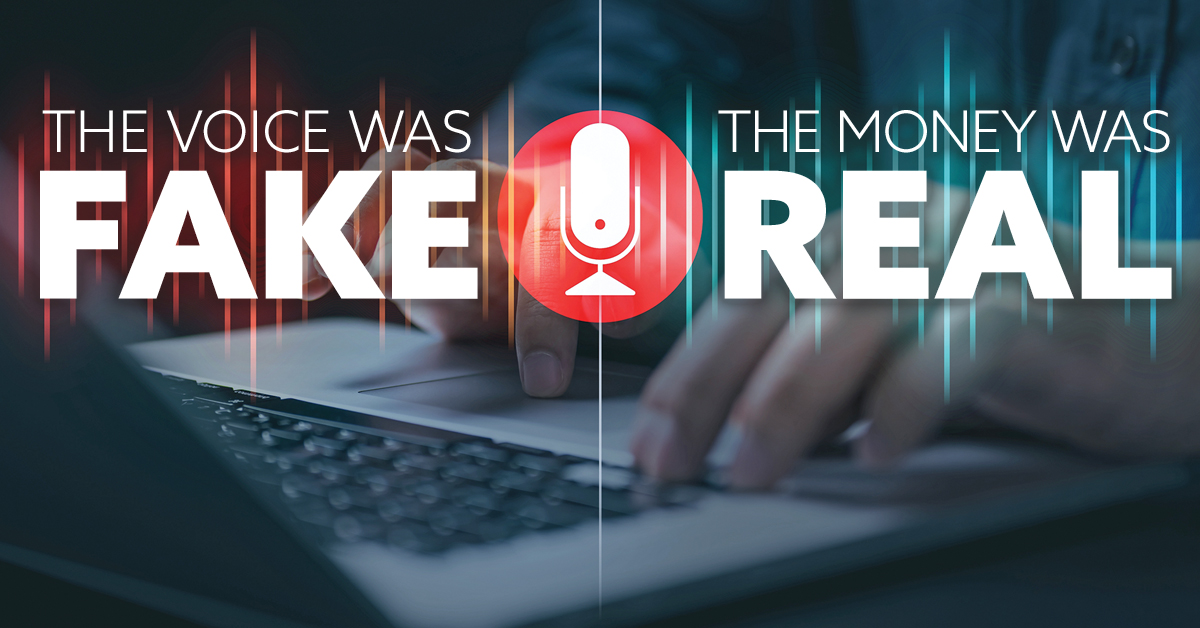
A lender wires $4.2 million after receiving what sounded like a routine call from a borrower’s attorney—same voice, same tone, same mannerisms. By morning, the truth emerges: the email was hacked, the phone call was an AI‑generated voice clone, and the money is gone. As scammers use AI to mimic voices, emails, and documents with startling accuracy, real estate finance has become a prime target. The industry’s growing reliance on AI brings efficiency, but also dangerous new vulnerabilities, pushing regulators, insurers, and professionals to rethink verification, security, and trust itself.
A new wave of migration is changing the shape of commercial real estate as Americans trade costly metros for more affordable, lifestyle-friendly regions. Smaller Southern and mid‑Atlantic markets are gaining momentum, while pandemic boom states like Florida, Texas, and Arizona are now leveling off. These shifts are influencing demand for housing, retail, office parks, warehouses, and even self‑storage, signaling both fresh opportunities and heightened caution for investors and real estate professionals.
Florida is gearing up for a potential overhaul of its property tax system, with lawmakers pushing proposals that could dramatically reduce or even eliminate property taxes by 2026. Homeowners facing rising bills welcome the idea, but city and county leaders warn it could cripple essential services like police, fire response, and local infrastructure. As political tensions escalate — including accusations of overspending and sharp pushback from local officials — real estate professionals should prepare for major market impacts if reforms move forward.