In a recent Forbes article, a startling revelation has emerged regarding the undetected use of AI-generated content in academic settings. The study highlights that an overwhelming 94% of AI-generated college writing goes unnoticed by educators, raising significant concerns about the integrity of educational credentials.
The research, conducted by Peter Scarfe and his team at the University of Reading in the U.K., involved creating fake student profiles to submit AI-generated work. The findings were alarming: 97% of these submissions were not detected as AI-generated, posing a threat to the value of academic qualifications.
This issue is not isolated. Previous studies, such as one from the University of South Florida, found that even linguists struggled to differentiate between AI-generated and human-written text. Similarly, research from American universities in Vietnam indicated that AI detectors were significantly more effective at identifying AI content than human educators.
The implications are profound. As students continue to exploit AI tools for academic work, the risk of unqualified individuals entering critical professions like nursing and engineering increases, potentially endangering public safety.
Negligence in Detection
Despite the availability of AI detection technology, many educational institutions have been slow to adopt these tools. Some schools have even opted to disable AI detectors, inadvertently encouraging academic dishonesty. The reluctance to embrace detection technology is compounded by the cost and effort required to implement it effectively.
Consequences for Professional Readiness
The failure to detect AI-generated work not only undermines the credibility of educational qualifications but also jeopardizes the preparedness of graduates entering the workforce. In a competitive job market, the reliance on AI-generated content could lead to a workforce ill-equipped to handle real-world challenges.
As the educational landscape continues to evolve, the need for robust detection mechanisms becomes increasingly urgent. Without them, the integrity of academic achievements and the readiness of future professionals remain at risk.
For more insights on this topic, visit the original Forbes article.
More Articles
Getting licensed or staying ahead in your career can be a journey—but it doesn’t have to be overwhelming. Grab your favorite coffee or tea, take a moment to relax, and browse through our articles. Whether you’re just starting out or renewing your expertise, we’ve got tips, insights, and advice to keep you moving forward. Here’s to your success—one sip and one step at a time!
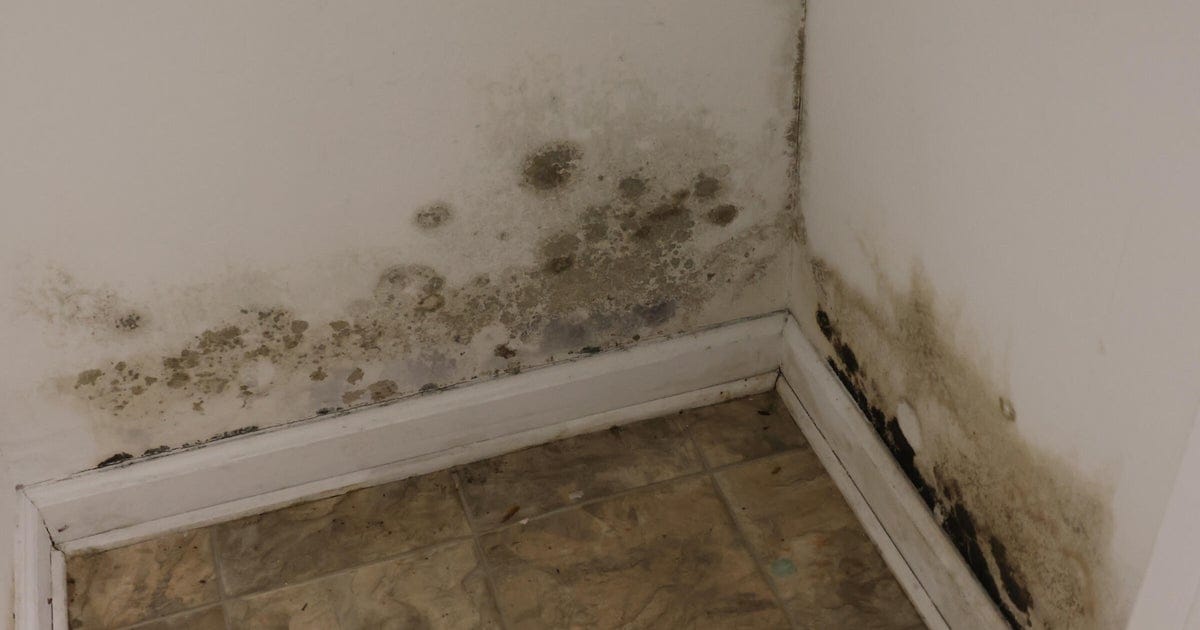
Extreme storms are triggering a surge in hidden mold growth across nearly half of U.S. homes, creating a growing health and financial emergency for families and real estate professionals. From rapid post‑storm mold development to soaring remediation costs, this silent threat is reshaping property safety, insurance challenges, and the future of housing in high‑risk regions.
A Florida consumer has filed a class action accusing Rocket Mortgage of repeatedly calling her even after confirming her opt‑out request, marking the company’s 56th TCPA‑related lawsuit. The complaint claims Rocket continued outreach for nearly three weeks—despite a STOP confirmation—and could impact more than 10,000 consumers nationwide.
Mortgage rates rose for the third straight week, reaching their highest level in a month and triggering a 5.2% drop in overall mortgage applications. Refinance activity slid 7%, purchase demand dipped 2%, and analysts say uncertainty in the bond market is keeping rates on a choppy path. Despite the pullback, today’s loan activity still sits well above last year’s lows, signaling that buyers remain active—but increasingly cautious.
Florida has approved a 6.9% reduction in workers’ compensation insurance rates for 2026, marking the ninth straight year of decreases. The cut, signed by Insurance Commissioner Mike Yaworsky, takes effect January 1 and lowers costs for all new and renewal policies. State officials say the trend reflects improved workplace safety and will help businesses reduce expenses and support growth across industries including real estate, construction, and property management.
Mortgage rates are dipping, inventory is soaring, and—for the first time in years—buyers have real leverage. While home prices remain at record highs and the economy feels unpredictable, rising inventory and cooling rates are creating rare opportunities for financially ready buyers. If you’ve been waiting for the market to open a door, this may be your moment to step through.
Miami developers are pitching 'safe spaces' for millionaires amid fears of a political shift in New York City. Concerns over higher taxes and crime are prompting some New Yorkers to consider relocating south.