The Housing Market Hits a Winter Chill: Discounts Rise, Listings Vanish, and Buyers Hesitate
More sellers are discounting or pulling their homes off the market this season.
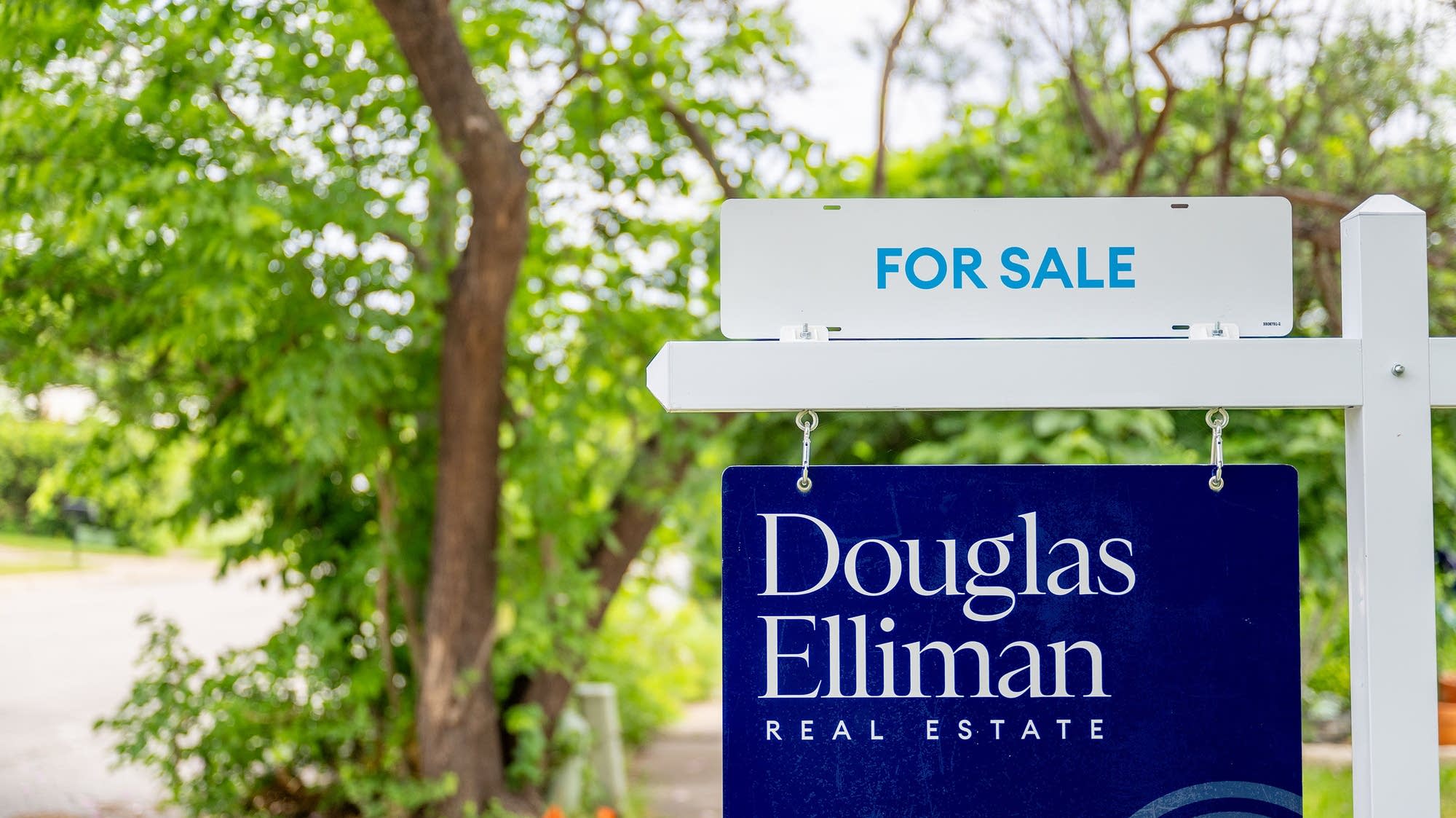
The national housing market is showing fresh signs of strain as sellers slash prices and pull homes off the market at rates not seen in years. According to new reports from major real estate firms, the 2025 housing season looks to be a challenging one for both buyers and sellers.
Price Cuts Hit Record Levels
Zillow reports that sellers are discounting their homes at record highs, with the average price reduction reaching about $25,000. For many homeowners, these cuts reflect a market that has cooled significantly after years of rapid appreciation.
Delistings Surge to 2017 Highs
Redfin highlights another major shift: sellers are delisting homes at the fastest rate since 2017. Often, properties are being removed because they’re not fetching the asking prices sellers hoped for. When the offers stall, the listings disappear.
Curious how these national trends affect your local opportunities? Florida agents, investors, and aspiring professionals can sharpen their edge through quality training. Explore programs at Cameron Academy to stay ahead in a shifting market.
Affordability Improves on Paper — But Not in Reality
Mortgage rates have retreated from the 7%+ levels seen early in the year, but affordability remains a major hurdle. Ben Ayers, economist at Nationwide, points out that despite slight improvements, affordability conditions remain tough for average buyers. He also notes that many consumers are unsettled by uncertainty in the labor market, making them hesitant to take big financial leaps.
Hopes for a Rebound Fade
Analysts expected the market to perk up as mortgage rates eased, but that rebound never came. Guy Cecala of Inside Mortgage Finance says the market remains “lackluster”, citing high rates, strained inventory, and muted demand.
New construction isn’t providing relief either. Robert Dietz, chief economist of the National Association of Home Builders, reports that single‑family construction is projected to fall 6% to 7% this year—far from what’s needed to ease pressure on prices.
Buyer and Seller Fatigue Grows
On the ground, real estate professionals see the same story playing out. Portland‑based broker Israel Hill points to stagnant job growth as a key reason the market feels stuck. Without confidence in their income, consumers are increasingly reluctant to begin the home‑buying journey.
The result? A market where buyers are cautious, sellers are adjusting expectations, and the usual holiday slowdown feels more like a deeper, structural pause.
Whether you’re navigating the market as an agent, investor, or preparing to enter the industry, ongoing education is vital. Cameron Academy offers flexible, high‑quality real estate and professional licensing courses across Florida and the U.S. Stay informed, stay licensed, stay competitive.
As the economy sends mixed signals, many Americans aren’t just waiting for a better deal—they’re waiting for clarity. Until then, the housing market may continue to cool as participants sit on the sidelines.
More Articles
Getting licensed or staying ahead in your career can be a journey—but it doesn’t have to be overwhelming. Grab your favorite coffee or tea, take a moment to relax, and browse through our articles. Whether you’re just starting out or renewing your expertise, we’ve got tips, insights, and advice to keep you moving forward. Here’s to your success—one sip and one step at a time!
Nevada has enacted a first‑in‑the‑nation law permitting insurers to sell homeowners policies that exclude wildfire coverage, a move supporters say could help stabilize premiums but critics warn may leave homeowners financially devastated. The policy shift positions Nevada as a testing ground for potential nationwide changes, raising major implications for real estate, mortgage, and insurance professionals as lenders, high‑risk communities, and regulators navigate the evolving landscape.
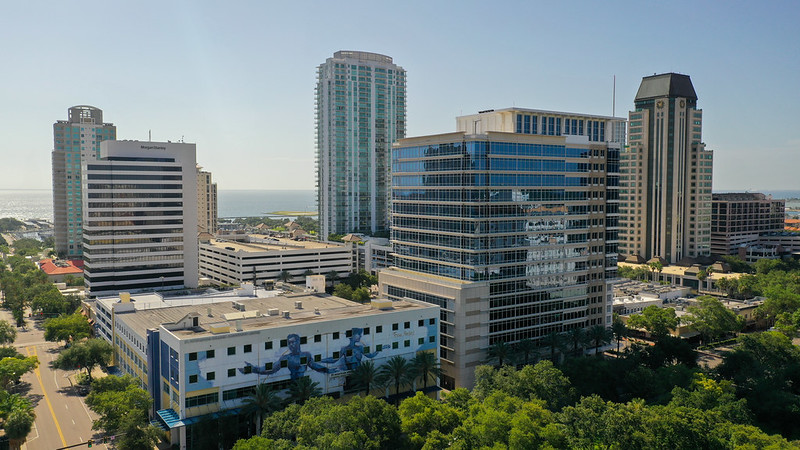
Tampa Bay’s office sector just delivered its most powerful year in nearly a decade, according to JLL’s Q4 2025 report. With more than 600,000 square feet of positive net absorption, falling vacancies, shrinking inventory, and major tenants like Fisher Investments and GEICO locking in massive leases, the region is emerging as one of the nation’s strongest post‑recovery office markets. The surge in demand for high‑quality space is driving rents up, tightening supply, and setting the stage for continued momentum into 2026.
The Consumer Financial Protection Bureau has proposed new updates to the Nationwide Mortgage Licensing System and Registry, expanding data collection, tightening verification standards, and refreshing record‑retention rules. These changes aim to strengthen background checks, enhance regulatory oversight, and align the system with federal requirements—impacting both current and aspiring mortgage loan originators nationwide.
Nevada has become the first state to let insurers sell homeowners policies that exclude wildfire coverage — a dramatic shift that could reshape insurance pricing across the West. Supporters say the move may lower premiums and spark innovation, while critics warn it could leave homeowners exposed to devastating losses. As regulators and insurers nationwide watch closely, the experiment could have major implications for real estate, mortgages, and insurance markets.
After years of soaring premiums and insurer failures, Florida lawmakers are rolling out a new slate of reforms aimed at finally delivering relief to homeowners. From cracking down on profit‑sharing affiliates to unveiling hidden rate factors and rewarding claim‑free residents, these proposals could reshape the state’s insurance landscape — and bring real savings to property owners and real estate professionals alike.
With traditional CRE lending slowing nationwide, C‑PACE financing is surging to all‑time highs — including a record‑setting $465 million loan for a major D.C. redevelopment. Backed by long repayment terms, fixed rates, and tax‑assessment security, C‑PACE is rapidly becoming a preferred tool for funding energy efficiency, resiliency upgrades, and even large‑scale project recapitalizations. Major players like Nuveen Green Capital and Peachtree Group are driving billions in new volume as 40 states adopt the program, signaling a major shift in how commercial real estate projects are financed.