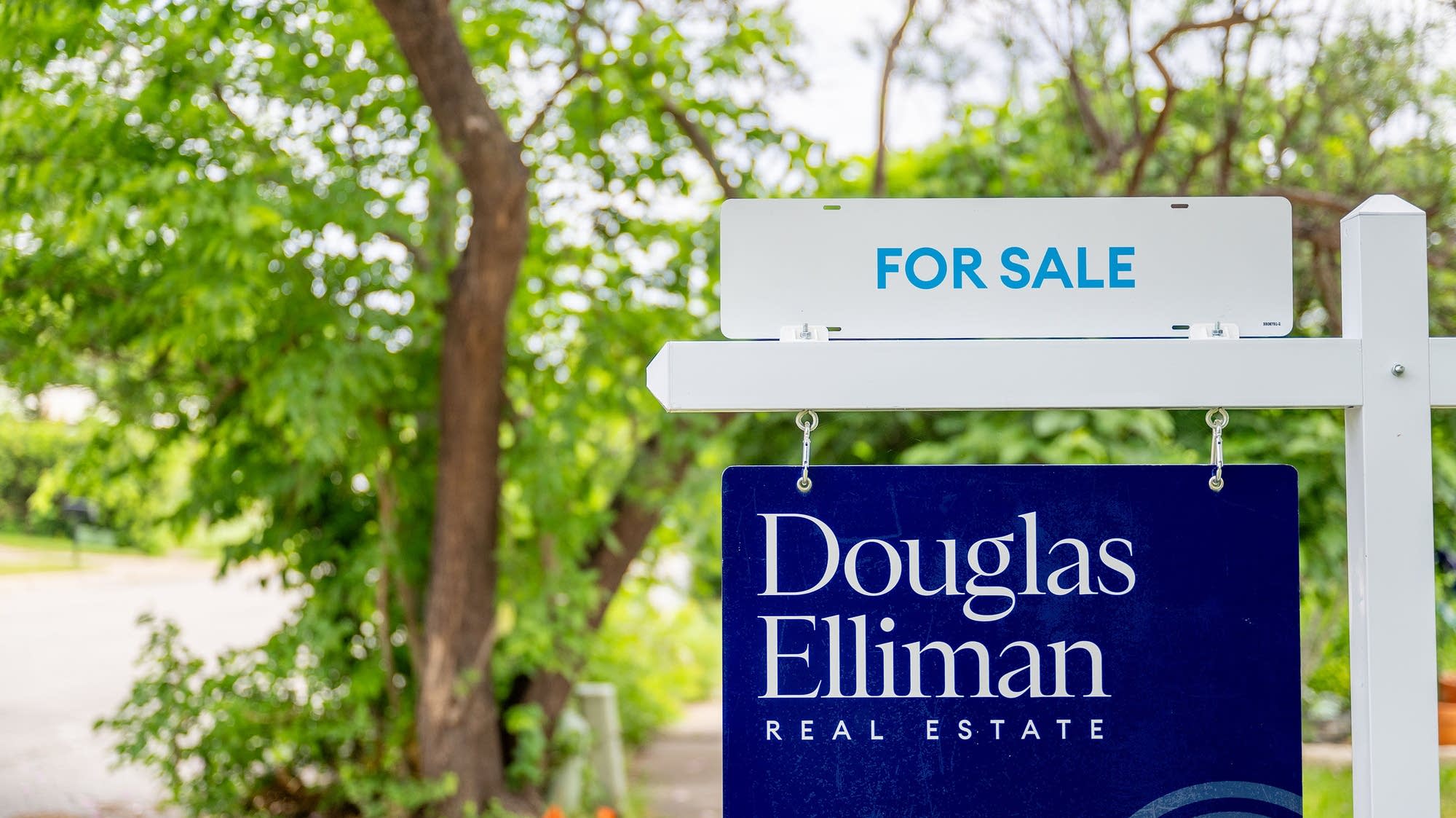
The Housing Market Hits a Winter Chill: Discounts Rise, Listings Vanish, and Buyers Hesitate
More sellers are discounting or pulling their homes off the market this season.
The national housing market is showing fresh signs of strain as sellers slash prices and pull homes off the market at rates not seen in years. According to new reports from major real estate firms, the 2025 housing season looks to be a challenging one for both buyers and sellers.
Price Cuts Hit Record Levels
Zillow reports that sellers are discounting their homes at record highs, with the average price reduction reaching about $25,000. For many homeowners, these cuts reflect a market that has cooled significantly after years of rapid appreciation.
Delistings Surge to 2017 Highs
Redfin highlights another major shift: sellers are delisting homes at the fastest rate since 2017. Often, properties are being removed because they’re not fetching the asking prices sellers hoped for. When the offers stall, the listings disappear.
Curious how these national trends affect your local opportunities? Florida agents, investors, and aspiring professionals can sharpen their edge through quality training. Explore programs at Cameron Academy to stay ahead in a shifting market.
Affordability Improves on Paper — But Not in Reality
Mortgage rates have retreated from the 7%+ levels seen early in the year, but affordability remains a major hurdle. Ben Ayers, economist at Nationwide, points out that despite slight improvements, affordability conditions remain tough for average buyers. He also notes that many consumers are unsettled by uncertainty in the labor market, making them hesitant to take big financial leaps.
Hopes for a Rebound Fade
Analysts expected the market to perk up as mortgage rates eased, but that rebound never came. Guy Cecala of Inside Mortgage Finance says the market remains “lackluster”, citing high rates, strained inventory, and muted demand.
New construction isn’t providing relief either. Robert Dietz, chief economist of the National Association of Home Builders, reports that single‑family construction is projected to fall 6% to 7% this year—far from what’s needed to ease pressure on prices.
Buyer and Seller Fatigue Grows
On the ground, real estate professionals see the same story playing out. Portland‑based broker Israel Hill points to stagnant job growth as a key reason the market feels stuck. Without confidence in their income, consumers are increasingly reluctant to begin the home‑buying journey.
The result? A market where buyers are cautious, sellers are adjusting expectations, and the usual holiday slowdown feels more like a deeper, structural pause.
Whether you’re navigating the market as an agent, investor, or preparing to enter the industry, ongoing education is vital. Cameron Academy offers flexible, high‑quality real estate and professional licensing courses across Florida and the U.S. Stay informed, stay licensed, stay competitive.
As the economy sends mixed signals, many Americans aren’t just waiting for a better deal—they’re waiting for clarity. Until then, the housing market may continue to cool as participants sit on the sidelines.
More Articles
Getting licensed or staying ahead in your career can be a journey—but it doesn’t have to be overwhelming. Grab your favorite coffee or tea, take a moment to relax, and browse through our articles. Whether you’re just starting out or renewing your expertise, we’ve got tips, insights, and advice to keep you moving forward. Here’s to your success—one sip and one step at a time!
The greenhouse industry is entering 2026 with a complex wave of overlapping risks — from rising insurance costs and extreme weather to cyber threats, labor shortages, and unstable supply chains. These challenges aren’t isolated; they compound one another, increasing pressure on growers and business owners alike. Insights from industry experts reveal the key trends shaping risk management in the year ahead and what operators must do now to stay resilient.
New FDIC reporting rules are changing how banks classify and disclose commercial real estate loans, replacing the old Troubled Debt Restructuring label with clearer “financial difficulty” modifications and expanding transparency across structured products and capital requirements. These updates may briefly tighten lending but ultimately promise stronger liquidity, cleaner risk data, and more predictable CRE financing as banks adapt.
Artificial intelligence is no longer an upcoming trend—it's already reshaping how real estate professionals work, compete, and win. With the AI real estate sector set to surge from $222B in 2024 to nearly $1T by 2029, the industry is undergoing a rapid transformation in valuations, virtual tours, listings, investment analysis, and client management. Agents and investors who embrace AI tools are gaining unprecedented efficiency and insight, while those who resist risk falling behind.
The Federal Housing Finance Agency is weighing the idea of 50‑year mortgages, a move that could make monthly payments more affordable but dramatically increase total interest costs. Supporters say it may help young professionals break into the housing market, while critics warn it could trap families in half a century of debt. As the industry debates this controversial loan option, real estate and mortgage professionals must stay informed to guide clients through the shifting landscape.
December is shaping up to be another unpredictable month for mortgage rates. With the Federal Reserve signaling mixed messages, key economic reports running behind schedule, and lenders already looking ahead to 2026, rates could face upward pressure. Experts from Fannie Mae and the MBA project an average 30‑year rate around 6.3% for late 2025, suggesting a potential December bump. For real estate and mortgage professionals, understanding this volatility isn’t just helpful — it’s a competitive edge.
Sellers are cutting prices at record levels, delistings are surging to highs not seen since 2017, and buyers remain hesitant despite slightly lower mortgage rates. With affordability still strained and new construction slowing, the 2025 housing market is entering a deeper‑than‑usual winter slowdown marked by caution on all sides.