“`html

As the climate crisis intensifies, the U.S. homeowners insurance market faces a daunting challenge, one that threatens to leave countless American families vulnerable. Recent insights from an article in Nature highlight the growing void in this critical sector, raising the question: Who should bear the escalating costs associated with climate change?


Insurance Retreat from High-Risk Areas

Homeowner insurance serves as a cornerstone of financial security, underpinning housing markets and offering a safety net for individuals and communities recovering from disasters. However, as climate change heightens the frequency and severity of natural disasters, insurers are increasingly retreating from high-risk areas, leaving homeowners exposed at their most vulnerable moments.


Events such as Hurricane Helene, which ravaged Florida’s west coast, and the catastrophic wildfires in California have starkly illustrated the gaps in insurance coverage. Many affected by these disasters found themselves without adequate protection, a situation exacerbated by insurers withdrawing from these perilous zones.


Rising Premiums and Market Trends

The market trends are alarming. Insurers are reporting increased losses and rising premiums, making it more challenging for homeowners to secure affordable coverage. This trend is compounded by migration patterns that see more Americans moving into hazard-prone areas, further straining the insurance market.


Innovative Solutions and Collaborative Efforts

To address these challenges, the article advocates for a multi-faceted approach. Key strategies include fostering innovations in pricing and underwriting, enhancing data transparency, and bolstering infrastructure resilience. Such reforms require collaboration among insurers, government agencies, and communities to ensure sustainable protection for the future.


The original article from Nature serves as a clarion call for action, urging stakeholders to come together to devise solutions that balance the needs of homeowners with the realities of a changing climate. As the insurance market grapples with these unprecedented challenges, the path forward will require creativity, cooperation, and a commitment to resilience.


For further reading, you can access the full article here or download the PDF version.

“`

More Articles

Getting licensed or staying ahead in your career can be a journey—but it doesn’t have to be overwhelming. Grab your favorite coffee or tea, take a moment to relax, and browse through our articles. Whether you’re just starting out or renewing your expertise, we’ve got tips, insights, and advice to keep you moving forward. Here’s to your success—one sip and one step at a time!

Why Toronto’s Real Estate Market Is a Rollercoaster Using Would You Rather Decisions

By 2022, the average cost had skyrocketed to $1.19 million. That’s, like, a 28% increase in just three years! But as with all wild parties, there was an inevitable hangover.

By |January 19, 2025|Categories: Article, Market Analysis, Real Estate|Tags: , |0 Comments

TikTok’s Ban: US Social Media Frenzy

"And let’s not forget this might be the start of a multi-platform domino effect. If TikTok is toast, Instagram Reels, YouTube Shorts, or bizarre TikTok lookalikes (looking at you, Lemon8) are poised to swoop in and capitalize."

By |January 19, 2025|Categories: Article, Humor, Technology|Tags: |0 Comments

Sutter Health’s Innovative Approach to Sepsis Management

Sutter Health is pioneering a transformative approach in critical care by introducing the FloPatch, a novel wearable device aimed at enhancing clinical decision-making. This initiative focuses on improving sepsis management within intensive care units (ICUs), leveraging real-time data to support critical treatment decisions.

TikTok Ban in the U.S.: A Landmark Moment in National Security

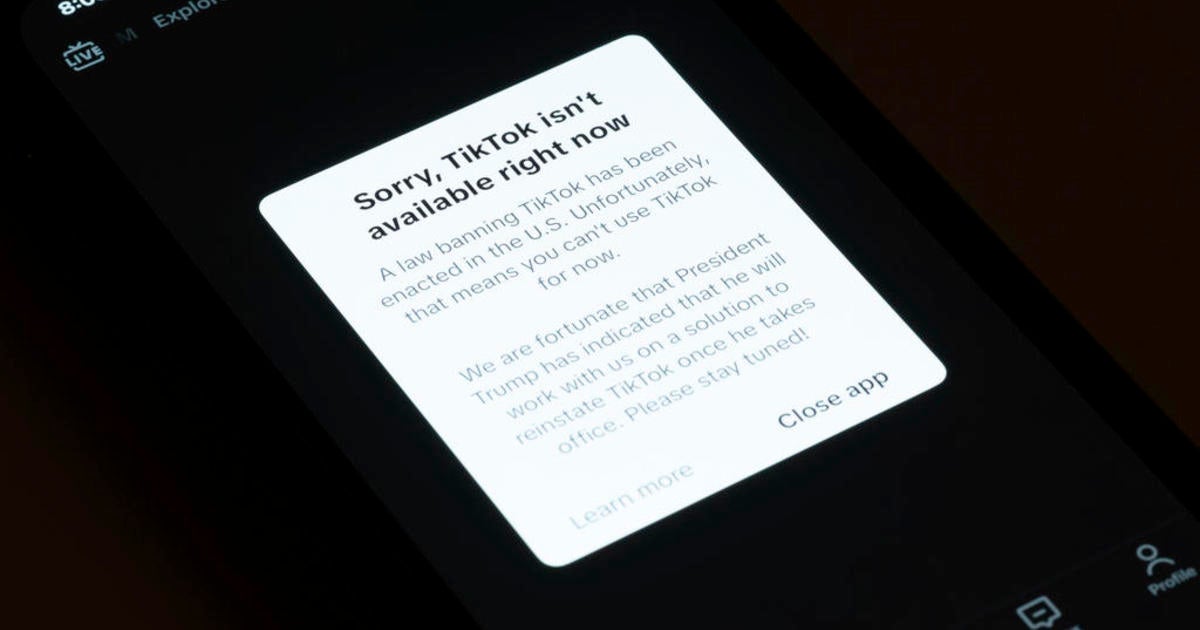
TikTok, the immensely popular social media app, is now banned in the United States following a Supreme Court ruling that mandated the app to sever ties with its China-based parent company, ByteDance, or face a ban.

AI and Robotics Revolutionizing Indian Healthcare

AI is poised to revolutionize the diagnostic process, enabling more accurate and faster diagnoses than ever before. Traditional methods, which rely heavily on manual interpretations of medical images, often suffer from delays and errors. In contrast, AI-driven diagnostic tools can swiftly analyze vast amounts of medical data, including X-rays, MRIs, and CT scans, with remarkable precision. This technology is already being leveraged for the early detection of diseases such as cancer and diabetic retinopathy, making diagnostics more efficient and accessible than ever.

By |January 19, 2025|Categories: Article, Healthcare, Technology|Tags: , |0 Comments

Embracing Smart Renovations: Europe’s Path to Sustainable Building

Currently, buildings account for over 30% of the EU's environmental footprint, a staggering figure that underscores the urgency of reform.