“`html

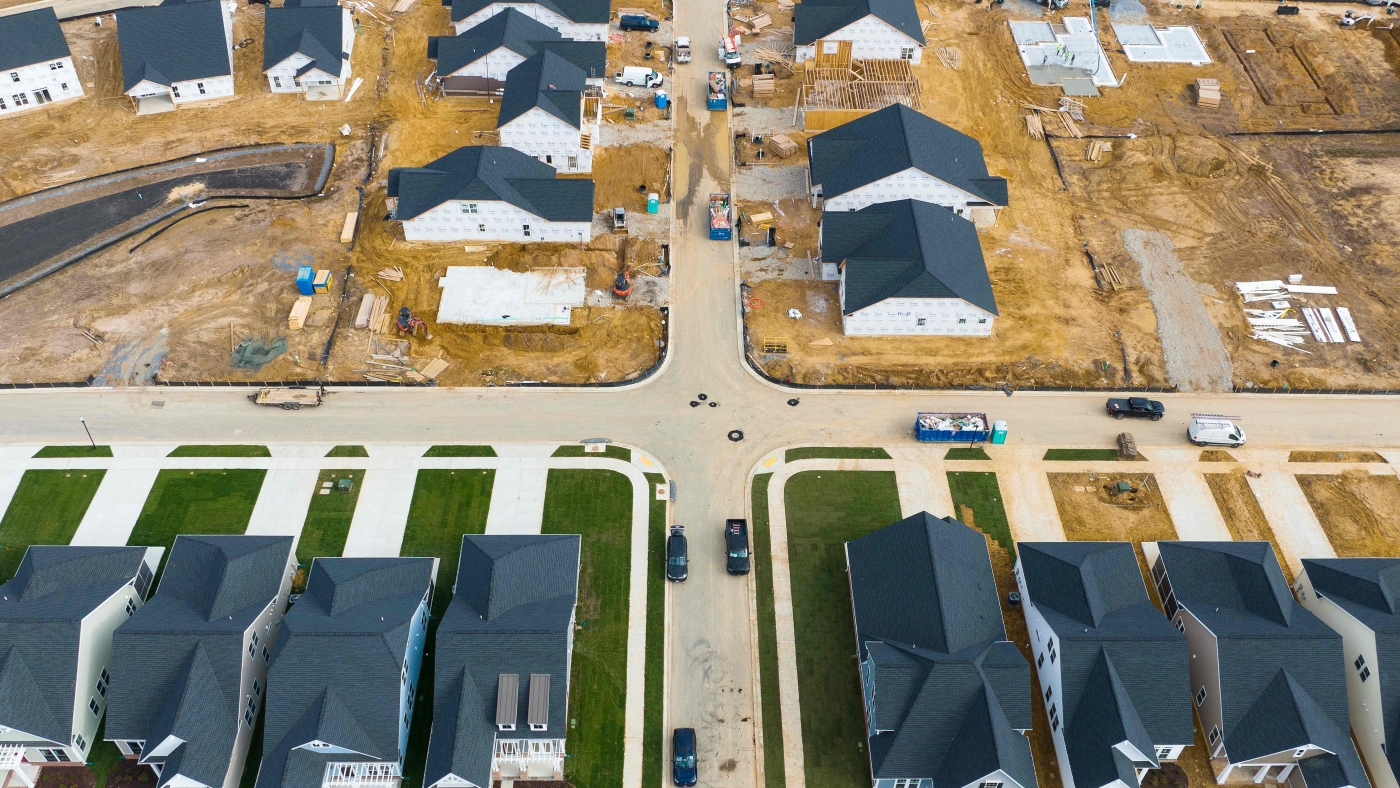
As the climate crisis intensifies, the U.S. homeowners insurance market faces a daunting challenge, one that threatens to leave countless American families vulnerable. Recent insights from an article in Nature highlight the growing void in this critical sector, raising the question: Who should bear the escalating costs associated with climate change?


Insurance Retreat from High-Risk Areas

Homeowner insurance serves as a cornerstone of financial security, underpinning housing markets and offering a safety net for individuals and communities recovering from disasters. However, as climate change heightens the frequency and severity of natural disasters, insurers are increasingly retreating from high-risk areas, leaving homeowners exposed at their most vulnerable moments.


Events such as Hurricane Helene, which ravaged Florida’s west coast, and the catastrophic wildfires in California have starkly illustrated the gaps in insurance coverage. Many affected by these disasters found themselves without adequate protection, a situation exacerbated by insurers withdrawing from these perilous zones.


Rising Premiums and Market Trends

The market trends are alarming. Insurers are reporting increased losses and rising premiums, making it more challenging for homeowners to secure affordable coverage. This trend is compounded by migration patterns that see more Americans moving into hazard-prone areas, further straining the insurance market.


Innovative Solutions and Collaborative Efforts

To address these challenges, the article advocates for a multi-faceted approach. Key strategies include fostering innovations in pricing and underwriting, enhancing data transparency, and bolstering infrastructure resilience. Such reforms require collaboration among insurers, government agencies, and communities to ensure sustainable protection for the future.


The original article from Nature serves as a clarion call for action, urging stakeholders to come together to devise solutions that balance the needs of homeowners with the realities of a changing climate. As the insurance market grapples with these unprecedented challenges, the path forward will require creativity, cooperation, and a commitment to resilience.


For further reading, you can access the full article here or download the PDF version.

“`

More Articles

Getting licensed or staying ahead in your career can be a journey—but it doesn’t have to be overwhelming. Grab your favorite coffee or tea, take a moment to relax, and browse through our articles. Whether you’re just starting out or renewing your expertise, we’ve got tips, insights, and advice to keep you moving forward. Here’s to your success—one sip and one step at a time!

The Digital Healthcare Revolution: Transforming Patient Care with Technology

The global digital health market is set to skyrocket, with projections estimating it will reach $551.09 billion by 2027. This growth is fueled by innovations that are setting new benchmarks in healthcare delivery.

By |November 28, 2024|Categories: Article, Healthcare, Technology|Tags: , |0 Comments

University of Pennsylvania Pioneers the Planetary Health Curriculum

This innovative program equips medical students with the knowledge to understand and mitigate the effects of climate change on human health.

The Deep-Learning Triple Threat Transforming Medical Imaging

AI is being hailed as a "triple threat" in radiology, impacting planning, scanning, and diagnosis. As detailed in a recent column by Kelly Londy of GE HealthCare, these intelligent imaging systems are ushering in seismic changes reminiscent of the transformative impact of computer-assisted tomography in the late 20th century.

Federal Reserve’s Interest Rate Cut: Implications for the Housing Market

In a significant move that has captured the attention of economists and homebuyers alike, the Federal Reserve recently announced a half-percentage-point cut in interest rates. This decision is poised to bring about notable changes in the housing market, though not all effects may be beneficial for prospective homeowners.

By |November 27, 2024|Categories: Article, Economics, Real Estate|Tags: , |0 Comments

Public Perceptions of AI in Healthcare: A Balancing Act Between Innovation and Ethics

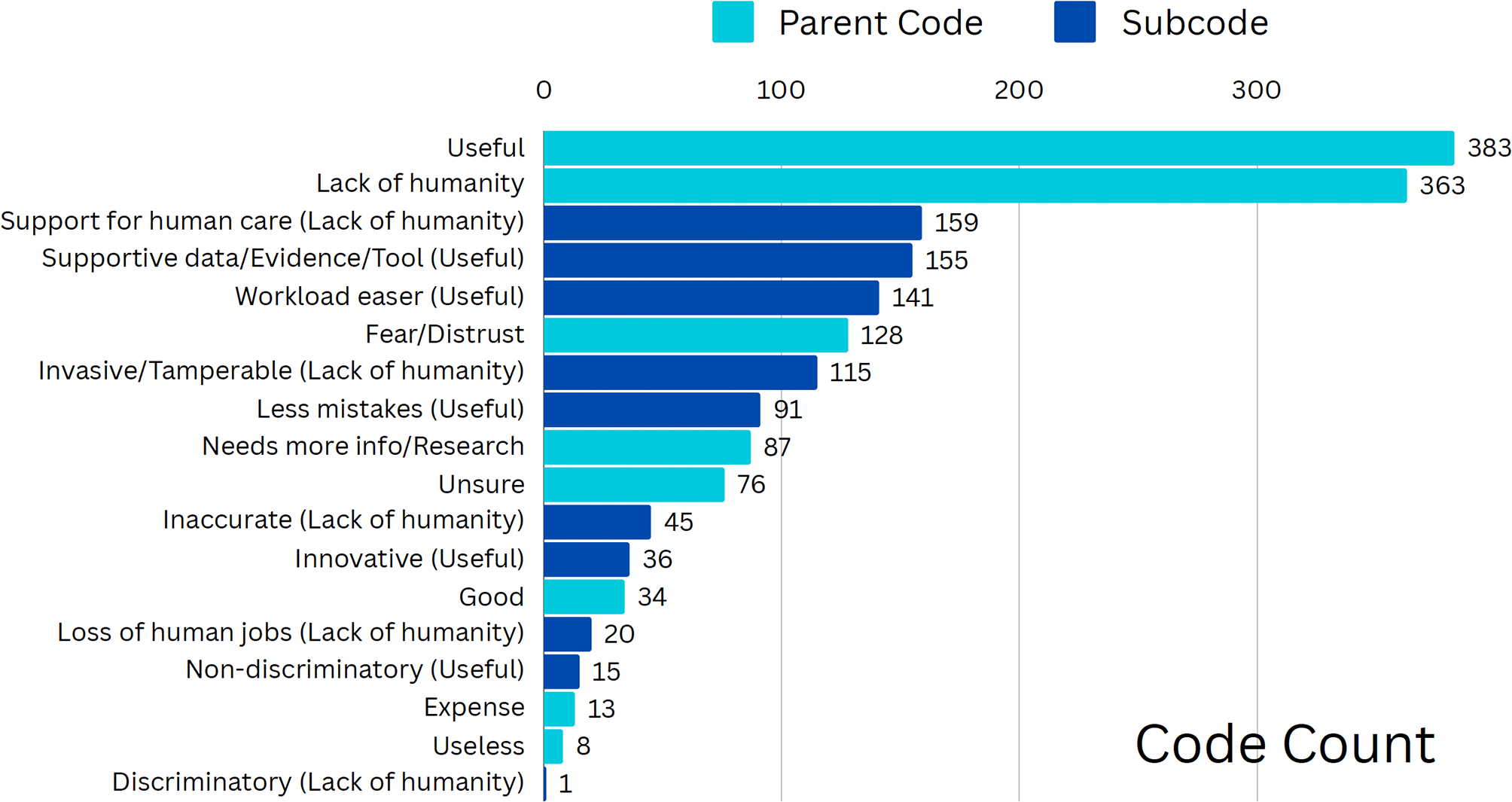
In the rapidly evolving landscape of healthcare, the integration of artificial intelligence (AI) stands as a beacon of both promise and concern. The research underscores a significant tension: while AI has the capability to enhance healthcare delivery, there is palpable unease about its impact on the traditional physician-patient relationship.

By |November 27, 2024|Categories: Article, Ethics, Healthcare|Tags: , |0 Comments

The Ethical Dilemmas of AI: A Modern Conundrum

As artificial intelligence (AI) technology advances, it presents a myriad of ethical dilemmas and challenges that demand urgent attention. The USC Annenberg School for Communication and Journalism recently explored these pressing issues, highlighting the complexities involved in AI's deployment.

By |November 27, 2024|Categories: Article, Ethics, Technology|Tags: , |0 Comments