“`html

As the climate crisis intensifies, the U.S. homeowners insurance market faces a daunting challenge, one that threatens to leave countless American families vulnerable. Recent insights from an article in Nature highlight the growing void in this critical sector, raising the question: Who should bear the escalating costs associated with climate change?


Insurance Retreat from High-Risk Areas

Homeowner insurance serves as a cornerstone of financial security, underpinning housing markets and offering a safety net for individuals and communities recovering from disasters. However, as climate change heightens the frequency and severity of natural disasters, insurers are increasingly retreating from high-risk areas, leaving homeowners exposed at their most vulnerable moments.


Events such as Hurricane Helene, which ravaged Florida’s west coast, and the catastrophic wildfires in California have starkly illustrated the gaps in insurance coverage. Many affected by these disasters found themselves without adequate protection, a situation exacerbated by insurers withdrawing from these perilous zones.


Rising Premiums and Market Trends

The market trends are alarming. Insurers are reporting increased losses and rising premiums, making it more challenging for homeowners to secure affordable coverage. This trend is compounded by migration patterns that see more Americans moving into hazard-prone areas, further straining the insurance market.


Innovative Solutions and Collaborative Efforts

To address these challenges, the article advocates for a multi-faceted approach. Key strategies include fostering innovations in pricing and underwriting, enhancing data transparency, and bolstering infrastructure resilience. Such reforms require collaboration among insurers, government agencies, and communities to ensure sustainable protection for the future.


The original article from Nature serves as a clarion call for action, urging stakeholders to come together to devise solutions that balance the needs of homeowners with the realities of a changing climate. As the insurance market grapples with these unprecedented challenges, the path forward will require creativity, cooperation, and a commitment to resilience.


For further reading, you can access the full article here or download the PDF version.

“`

More Articles

Getting licensed or staying ahead in your career can be a journey—but it doesn’t have to be overwhelming. Grab your favorite coffee or tea, take a moment to relax, and browse through our articles. Whether you’re just starting out or renewing your expertise, we’ve got tips, insights, and advice to keep you moving forward. Here’s to your success—one sip and one step at a time!

Earnings and Benefits of a Real Estate Career in Florida

In Florida, the earnings of a real estate agent can vary significantly based on numerous factors including experience, location, and the current state of the housing market. The potential earnings are quite broad, with average salaries ranging from $40,000 to $90,000 per year. However, top-performing agents in high-demand areas can earn well above this range, sometimes exceeding $100,000 annually.

By |October 11, 2024|Categories: Article, Career/Earnings, Real Estate|Tags: |0 Comments

What to Know Before Screening a Section 8 Tenant

Screening prospective tenants who utilize Section 8 vouchers in Florida requires a thorough understanding of both federal and local laws to ensure compliance and avoid potential legal issues.

By |October 11, 2024|Categories: Article, Legal Compliance, Real Estate|Tags: , |0 Comments

Cape Coral Grapples with Rising Housing Costs Post-Hurricane Ian

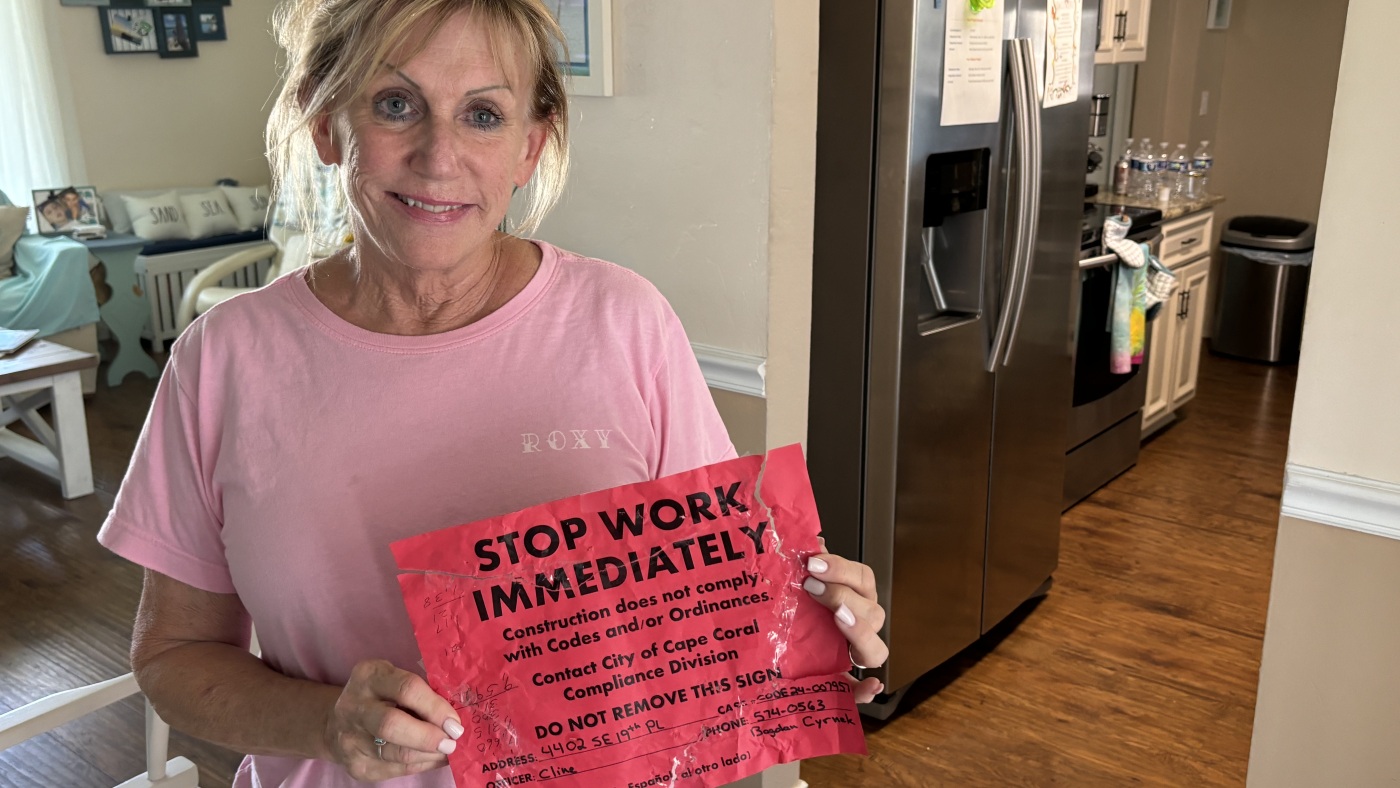
A study by First Street reveals Cape Coral has more properties at risk of flooding than any other city in Florida. Following Hurricane Ian, FEMA withdrew the city's flood insurance discount, blaming improper rebuilding practices.

By |October 11, 2024|Categories: Article, Natural Disasters, Real Estate|Tags: , |0 Comments

US Home Prices Set to Rise Amidst Rate Cuts

Goldman Sachs Research has projected a notable increase in US home prices, forecasting a 4.5% rise this year and a 4.4% increase in 2025, as the Federal Reserve is expected to implement interest rate cuts.

By |October 11, 2024|Categories: Article, Economics, Real Estate|Tags: , |0 Comments

Unmasking Myths: Screening Section 8 Tenants

In the realm of real estate, myths and misconceptions about Section 8 tenants often cloud the judgment of landlords. These stereotypes suggest that Section 8 tenants might damage property or fail to pay rent. However, these risks are inherent in renting to any tenant, not just those participating in the Section 8 program. The key to mitigating these risks lies in a robust and consistent screening process.

By |October 11, 2024|Categories: Article, Real Estate, Tenant Screening|Tags: |0 Comments