“`html

As the climate crisis intensifies, the U.S. homeowners insurance market faces a daunting challenge, one that threatens to leave countless American families vulnerable. Recent insights from an article in Nature highlight the growing void in this critical sector, raising the question: Who should bear the escalating costs associated with climate change?


Insurance Retreat from High-Risk Areas

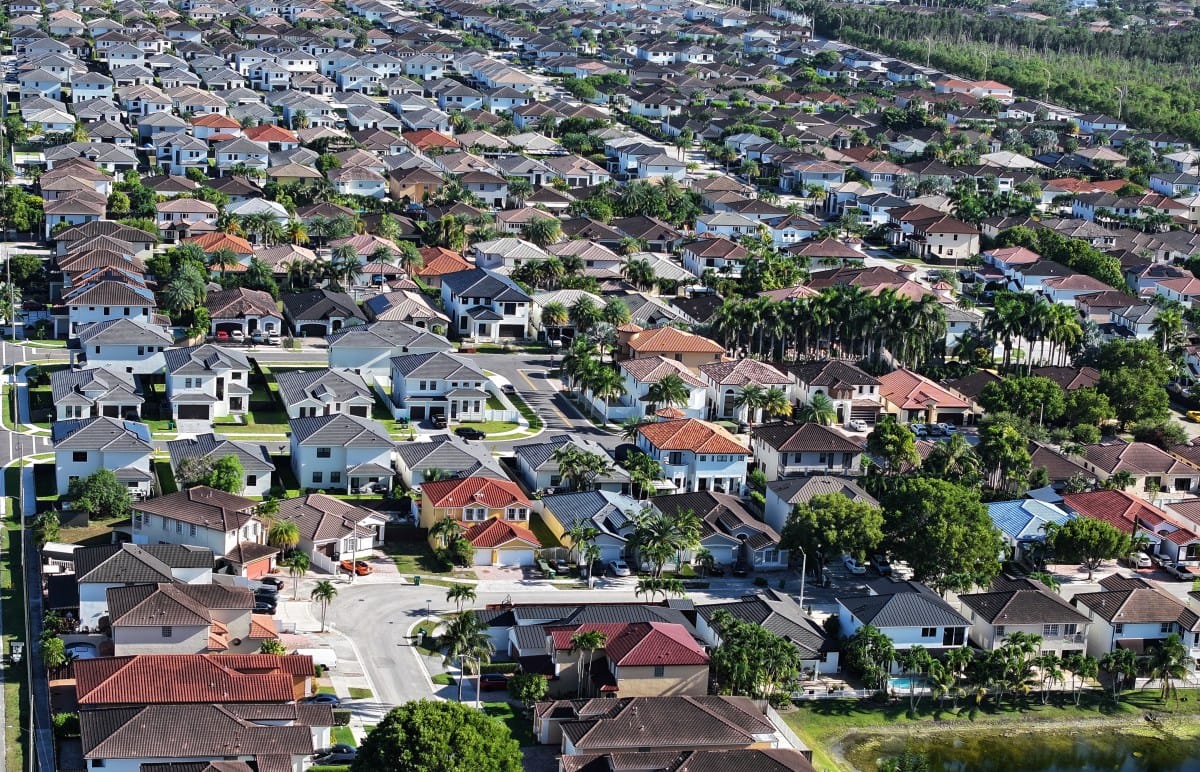
Homeowner insurance serves as a cornerstone of financial security, underpinning housing markets and offering a safety net for individuals and communities recovering from disasters. However, as climate change heightens the frequency and severity of natural disasters, insurers are increasingly retreating from high-risk areas, leaving homeowners exposed at their most vulnerable moments.


Events such as Hurricane Helene, which ravaged Florida’s west coast, and the catastrophic wildfires in California have starkly illustrated the gaps in insurance coverage. Many affected by these disasters found themselves without adequate protection, a situation exacerbated by insurers withdrawing from these perilous zones.


Rising Premiums and Market Trends

The market trends are alarming. Insurers are reporting increased losses and rising premiums, making it more challenging for homeowners to secure affordable coverage. This trend is compounded by migration patterns that see more Americans moving into hazard-prone areas, further straining the insurance market.


Innovative Solutions and Collaborative Efforts

To address these challenges, the article advocates for a multi-faceted approach. Key strategies include fostering innovations in pricing and underwriting, enhancing data transparency, and bolstering infrastructure resilience. Such reforms require collaboration among insurers, government agencies, and communities to ensure sustainable protection for the future.


The original article from Nature serves as a clarion call for action, urging stakeholders to come together to devise solutions that balance the needs of homeowners with the realities of a changing climate. As the insurance market grapples with these unprecedented challenges, the path forward will require creativity, cooperation, and a commitment to resilience.


For further reading, you can access the full article here or download the PDF version.

“`

More Articles

Getting licensed or staying ahead in your career can be a journey—but it doesn’t have to be overwhelming. Grab your favorite coffee or tea, take a moment to relax, and browse through our articles. Whether you’re just starting out or renewing your expertise, we’ve got tips, insights, and advice to keep you moving forward. Here’s to your success—one sip and one step at a time!

Portable Mortgages Could Rewrite the Housing Market

The Trump administration is considering letting homeowners take their low mortgage rates with them when they move—a major shift that could ease inventory shortages but disrupt mortgage‑backed securities and raise legal challenges.

Washington Fines Mortgage Broker Over $60K in Major Compliance Crackdown

Washington State regulators issued more than $62,650 in penalties, fees, and restitution to a mortgage broker after uncovering widespread violations, including inaccurate call reports, 79 webpages missing mandatory disclosures, prohibited advertising language, unregistered trade names, and improper borrower preapprovals. The case serves as a crucial reminder for all mortgage, real estate, insurance, and finance professionals to stay vigilant with compliance as oversight continues to tighten nationwide.

The Real Cost of Owning a Home in 2025: Zillow’s New Report Shows a Price Surge Buyers Can’t Ignore

Hidden homeownership expenses are climbing fast, with Zillow revealing that Americans now pay nearly $16,000 a year in taxes, insurance, and maintenance—up sharply from previous years. Soaring premiums, especially in Florida, and rising upkeep costs are reshaping affordability, slowing sales, and creating new challenges for both first-time buyers and seasoned homeowners.

US Commercial Insurance Rates Shift in 2025 as Most Premiums Rise and Workers’ Comp Drops

The latest Ivans Index reveals a mixed but meaningful shift in the 2025 commercial insurance landscape, with most major coverages—including commercial auto, general liability, BOP, property, and umbrella—experiencing year‑over‑year premium increases. Workers’ compensation remains the lone category trending downward. Rising claims costs, reinsurance pressures, and market capacity changes continue to drive rates upward, while Ivans’ new Benchmarks tool brings real‑time pricing intelligence to insurers. For real estate, insurance, mortgage, and business professionals, staying informed on these changes is key to planning, budgeting, and managing risk in the year ahead.

Mortgage Rates Dip as 50-Year Loan Proposal Sparks Big Market Reactions

This week’s mortgage update brought only a slight rate decline, but a much bigger conversation: the possibility of a 50-year mortgage. While a longer term could lower monthly payments by about $130 on a typical $400,000 loan, experts warn it would add more than $500,000 in extra interest and dramatically slow equity growth. With inflation still elevated and the Fed’s next moves uncertain, mortgage rates may edge higher heading into the season. Real estate and mortgage professionals should be ready to address client questions as this ultra-long loan idea gains attention, especially in markets like Florida where affordability remains tight.

LKP Finance’s Profit, Legal Battles, and Surprise Rebrand: A Wake‑Up Call for Today’s Professionals

LKP Finance reported a solid Rs 583.15‑lakh profit for Q2 2025 — but beneath the surface lies a storm of leadership changes, litigation over multi‑crore debts, a rare 12‑year‑old loan write‑back, and a full corporate transformation into Gyftr Limited. From compliance shake‑ups to a dramatic pivot into digital gifting and fintech, this quarter offers big lessons for professionals navigating fast‑evolving industries.