The Impact of FinTech on Sub-Saharan Africa’s Financial Landscape
The financial sector worldwide has been revolutionized by the advent of Financial Technology (FinTech), marking a new phase in the evolution of financial services. According to a detailed analysis by TRENDS Research & Advisory, FinTech’s integration of technological innovations with financial services has brought about a transformative impact, offering novel, flexible, and cost-effective financial products.
Sub-Saharan Africa: A Fertile Ground for FinTech
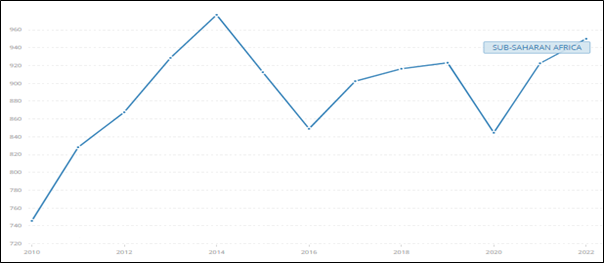
Sub-Saharan Africa, with its youthful demographic—approximately 40% of its population is under 15—presents a ripe opportunity for FinTech adoption. This region’s large underbanked population, estimated at 42% of adults, underscores the potential for FinTech to drive financial inclusion. The widespread use of mobile technology, with around 650 million mobile users, further enhances this potential. The GSMA Mobile Economy Report highlights that Sub-Saharan Africa leads globally in mobile money transactions, totaling $490 billion in 2020.
Challenges and Opportunities
Despite the promising landscape, FinTech adoption in Sub-Saharan Africa faces several challenges. Regulatory hurdles, infrastructure limitations, and cybersecurity threats are significant barriers. However, these challenges also present opportunities for growth. Policy reforms, investment in infrastructure, and public-private partnerships are vital to overcoming these obstacles and seizing the opportunities FinTech offers.
Success Stories and Future Prospects
Countries like Zambia and Nigeria illustrate the transformative power of FinTech. Zambia has seen a dramatic rise in digital financial inclusion, with active digital financial accounts increasing from 2% to 44% of the adult population between 2014 and 2019. Meanwhile, Nigeria’s FinTech sector is thriving, driven by a tech-savvy population and government support for digital financial solutions.
Looking ahead, the future of FinTech in Sub-Saharan Africa is promising. Emerging technologies such as AI-driven solutions and blockchain applications hold significant potential for enhancing financial services accessibility and efficiency. With continued investment and innovation, FinTech is poised to play a pivotal role in transforming the financial landscape of the region and improving the lives of millions.
Conclusion
The impact of FinTech on Sub-Saharan Africa’s financial services sector is profound, fostering financial inclusion and reshaping traditional banking paradigms. As the region continues to embrace innovative solutions, collaboration among policymakers, regulators, and stakeholders is crucial to harnessing the full potential of FinTech for sustainable growth.
More Articles
Getting licensed or staying ahead in your career can be a journey—but it doesn’t have to be overwhelming. Grab your favorite coffee or tea, take a moment to relax, and browse through our articles. Whether you’re just starting out or renewing your expertise, we’ve got tips, insights, and advice to keep you moving forward. Here’s to your success—one sip and one step at a time!
As the clock ticks towards the May 7, 2025 deadline, Michigan residents are urged to ensure their licenses are Real ID compliant. This initiative is part of a broader federal act introduced post-9/11 to enhance security protocols across the nation.
In January 2024, a Hong Kong-based employee unwittingly transferred US$25 million to fraudsters after being duped by a deepfake video call. The call, which appeared to involve her CFO and colleagues, was entirely fabricated. This incident underscores the growing threat posed by AI-generated content.
In the ever-evolving world of real estate, understanding the financial responsibilities associated with buying and selling homes has become increasingly crucial. As of 2025, the landscape has shifted significantly due to new guidelines implemented by the National Association of Realtors® (NAR) on August 17, 2024. These changes aim to provide more transparency and flexibility for all parties involved in real estate transactions.
Recent data from NerdWallet reveals a notable slowdown in rent price growth across the United States. As of June, rent prices have increased at a slower pace compared to the previous year, with a 2.9% rise from June of the previous year. This trend is expected to persist, with forecasts indicating further deceleration in rent growth throughout the year.
The journey to obtaining a real estate license begins with choosing the right online school. In a recent article by HousingWire, the top online real estate schools for 2025 were meticulously reviewed to help future agents make informed decisions.
A social media audit provides a comprehensive review of your brand's presence across various platforms. It helps identify the strengths and weaknesses of your current strategy, ensuring your efforts align with business goals.