The Impact of FinTech on Sub-Saharan Africa’s Financial Landscape
The financial sector worldwide has been revolutionized by the advent of Financial Technology (FinTech), marking a new phase in the evolution of financial services. According to a detailed analysis by TRENDS Research & Advisory, FinTech’s integration of technological innovations with financial services has brought about a transformative impact, offering novel, flexible, and cost-effective financial products.
Sub-Saharan Africa: A Fertile Ground for FinTech
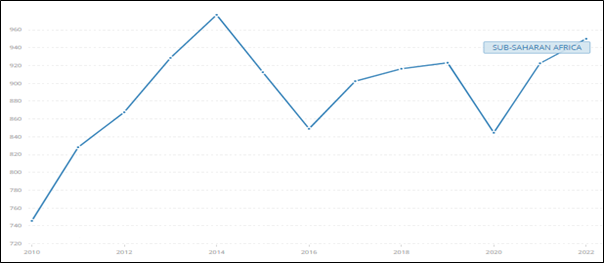
Sub-Saharan Africa, with its youthful demographic—approximately 40% of its population is under 15—presents a ripe opportunity for FinTech adoption. This region’s large underbanked population, estimated at 42% of adults, underscores the potential for FinTech to drive financial inclusion. The widespread use of mobile technology, with around 650 million mobile users, further enhances this potential. The GSMA Mobile Economy Report highlights that Sub-Saharan Africa leads globally in mobile money transactions, totaling $490 billion in 2020.
Challenges and Opportunities
Despite the promising landscape, FinTech adoption in Sub-Saharan Africa faces several challenges. Regulatory hurdles, infrastructure limitations, and cybersecurity threats are significant barriers. However, these challenges also present opportunities for growth. Policy reforms, investment in infrastructure, and public-private partnerships are vital to overcoming these obstacles and seizing the opportunities FinTech offers.
Success Stories and Future Prospects
Countries like Zambia and Nigeria illustrate the transformative power of FinTech. Zambia has seen a dramatic rise in digital financial inclusion, with active digital financial accounts increasing from 2% to 44% of the adult population between 2014 and 2019. Meanwhile, Nigeria’s FinTech sector is thriving, driven by a tech-savvy population and government support for digital financial solutions.
Looking ahead, the future of FinTech in Sub-Saharan Africa is promising. Emerging technologies such as AI-driven solutions and blockchain applications hold significant potential for enhancing financial services accessibility and efficiency. With continued investment and innovation, FinTech is poised to play a pivotal role in transforming the financial landscape of the region and improving the lives of millions.
Conclusion
The impact of FinTech on Sub-Saharan Africa’s financial services sector is profound, fostering financial inclusion and reshaping traditional banking paradigms. As the region continues to embrace innovative solutions, collaboration among policymakers, regulators, and stakeholders is crucial to harnessing the full potential of FinTech for sustainable growth.
More Articles
Getting licensed or staying ahead in your career can be a journey—but it doesn’t have to be overwhelming. Grab your favorite coffee or tea, take a moment to relax, and browse through our articles. Whether you’re just starting out or renewing your expertise, we’ve got tips, insights, and advice to keep you moving forward. Here’s to your success—one sip and one step at a time!
Remote work is dramatically reshaping real estate trends in India. By understanding and adapting to these shifts, investors can make savvy decisions, aligning their strategies with this evolving landscape and capitalizing on the burgeoning opportunities that remote working presents.
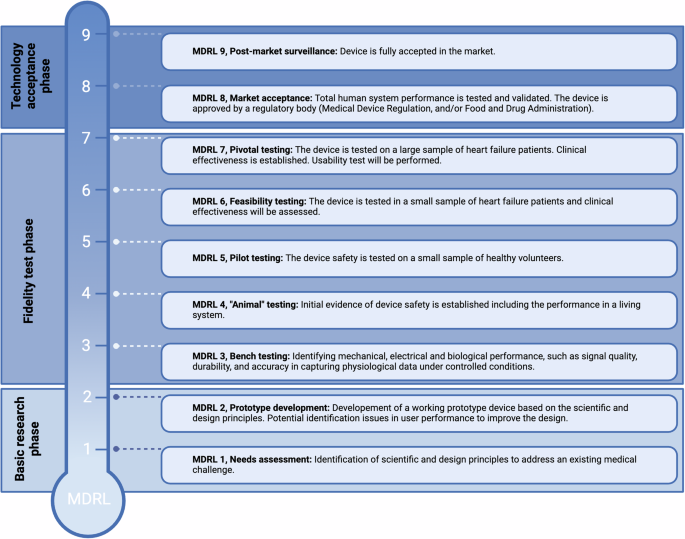
Wearable technologies are emerging as a beacon of hope for heart failure (HF) management, promising a future where patient care is not just reactive but proactive. As reported in a recent Nature article, these devices are poised to transform how we monitor and manage HF patients.
In a landmark event in April 2024, the State and Local Electric Vehicle Workforce Collaborative convened in Washington, D.C., highlighting the transformative potential of federal investments in electric vehicle infrastructure, particularly in underserved communities.
Risk managers are increasingly using parametric insurance to strengthen traditional programs and to better match capital to risk from natural disasters.
This "green revolution" is marked by the integration of green data fields in the Multiple Listing Service (MLS), which now features prominently in 40% of listings. This shift enhances awareness among potential buyers about eco-friendly home features, promoting healthier living environments.
In the ever-evolving landscape of healthcare, Artificial Intelligence (AI) is emerging as more than just a tool—it's a transformative force reshaping the industry. Visionaries like Vinod Khosla have long predicted AI's potential to revolutionize healthcare, and that potential is now being realized.