
The Impact of FinTech on Sub-Saharan Africa’s Financial Landscape

The financial sector worldwide has been revolutionized by the advent of Financial Technology (FinTech), marking a new phase in the evolution of financial services. According to a detailed analysis by TRENDS Research & Advisory, FinTech’s integration of technological innovations with financial services has brought about a transformative impact, offering novel, flexible, and cost-effective financial products.

Sub-Saharan Africa: A Fertile Ground for FinTech

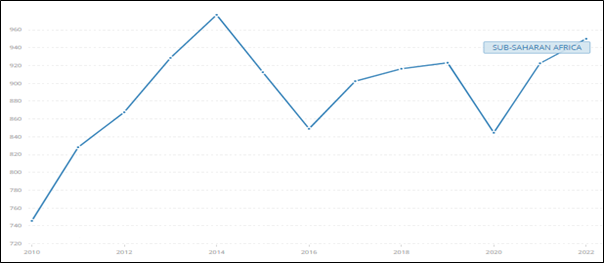
Sub-Saharan Africa, with its youthful demographic—approximately 40% of its population is under 15—presents a ripe opportunity for FinTech adoption. This region’s large underbanked population, estimated at 42% of adults, underscores the potential for FinTech to drive financial inclusion. The widespread use of mobile technology, with around 650 million mobile users, further enhances this potential. The GSMA Mobile Economy Report highlights that Sub-Saharan Africa leads globally in mobile money transactions, totaling $490 billion in 2020. Mobile money trends in africa

Challenges and Opportunities

Despite the promising landscape, FinTech adoption in Sub-Saharan Africa faces several challenges. Regulatory hurdles, infrastructure limitations, and cybersecurity threats are significant barriers. However, these challenges also present opportunities for growth. Policy reforms, investment in infrastructure, and public-private partnerships are vital to overcoming these obstacles and seizing the opportunities FinTech offers.

Success Stories and Future Prospects

Countries like Zambia and Nigeria illustrate the transformative power of FinTech. Zambia has seen a dramatic rise in digital financial inclusion, with active digital financial accounts increasing from 2% to 44% of the adult population between 2014 and 2019. Meanwhile, Nigeria’s FinTech sector is thriving, driven by a tech-savvy population and government support for digital financial solutions.
Looking ahead, the future of FinTech in Sub-Saharan Africa is promising. Emerging technologies such as AI-driven solutions and blockchain applications hold significant potential for enhancing financial services accessibility and efficiency. With continued investment and innovation, FinTech is poised to play a pivotal role in transforming the financial landscape of the region and improving the lives of millions.

Conclusion

The impact of FinTech on Sub-Saharan Africa’s financial services sector is profound, fostering financial inclusion and reshaping traditional banking paradigms. As the region continues to embrace innovative solutions, collaboration among policymakers, regulators, and stakeholders is crucial to harnessing the full potential of FinTech for sustainable growth.

More Articles

Getting licensed or staying ahead in your career can be a journey—but it doesn’t have to be overwhelming. Grab your favorite coffee or tea, take a moment to relax, and browse through our articles. Whether you’re just starting out or renewing your expertise, we’ve got tips, insights, and advice to keep you moving forward. Here’s to your success—one sip and one step at a time!

Discovering Prime Real Estate Investment Opportunities for 2024

The landscape of real estate investment is ever-evolving, and as we look towards 2024, certain cities in the United States are emerging as prime locations for savvy investors.

By |October 22, 2024|Categories: Article, Market Trends, Real Estate Investment|Tags: , |0 Comments

Ivory Innovations Announces 2024 Housing Affordability Prize Finalists

Ivory Innovations, in collaboration with the University of Utah’s Ivory Boyer Real Estate Center, has announced the Top 25 Finalists for the 2024 Ivory Prize for Housing Affordability. These finalists represent a diverse array of innovative approaches poised to tackle the critical challenges of housing in the United States.

Turbulence in the Commercial Real Estate Sector: Charlie Munger’s Cautionary Tale

"A lot of real estate isn’t so good any more," Munger remarked, highlighting troubled office buildings and shopping centers as areas of concern.

Exploring the Best Cities for Real Estate Investment in 2024

In the dynamic landscape of 2024, the U.S. housing market continues to present promising opportunities for real estate investors. Despite the challenges posed by rising interest rates, the sector remains resilient, particularly in the realm of single-family rentals (SFR).

Massachusetts ADUs: A Solution to the Housing Crisis?

Massachusetts lawmakers are banking on accessory dwelling units (ADUs) to help tackle the state's housing crisis, one in-law suite at a time. The recently signed Affordable Homes Act paves the way for these secondary dwellings statewide, potentially easing housing shortages.

By |October 21, 2024|Categories: Article, Housing, Legislation|Tags: , |0 Comments

Cameron Academy of Real Estate: Leading the Way in Real Estate Education

Cameron Academy of Real Estate provides aspiring real estate professionals with skills and knowledge through dynamic in-person and flexible online courses, preparing them for successful careers.


By |October 21, 2024|Categories: Article, Education, Real Estate|Tags: , |0 Comments