The Impact of FinTech on Sub-Saharan Africa’s Financial Landscape
The financial sector worldwide has been revolutionized by the advent of Financial Technology (FinTech), marking a new phase in the evolution of financial services. According to a detailed analysis by TRENDS Research & Advisory, FinTech’s integration of technological innovations with financial services has brought about a transformative impact, offering novel, flexible, and cost-effective financial products.
Sub-Saharan Africa: A Fertile Ground for FinTech
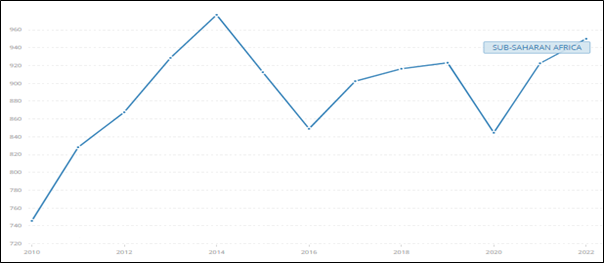
Sub-Saharan Africa, with its youthful demographic—approximately 40% of its population is under 15—presents a ripe opportunity for FinTech adoption. This region’s large underbanked population, estimated at 42% of adults, underscores the potential for FinTech to drive financial inclusion. The widespread use of mobile technology, with around 650 million mobile users, further enhances this potential. The GSMA Mobile Economy Report highlights that Sub-Saharan Africa leads globally in mobile money transactions, totaling $490 billion in 2020.
Challenges and Opportunities
Despite the promising landscape, FinTech adoption in Sub-Saharan Africa faces several challenges. Regulatory hurdles, infrastructure limitations, and cybersecurity threats are significant barriers. However, these challenges also present opportunities for growth. Policy reforms, investment in infrastructure, and public-private partnerships are vital to overcoming these obstacles and seizing the opportunities FinTech offers.
Success Stories and Future Prospects
Countries like Zambia and Nigeria illustrate the transformative power of FinTech. Zambia has seen a dramatic rise in digital financial inclusion, with active digital financial accounts increasing from 2% to 44% of the adult population between 2014 and 2019. Meanwhile, Nigeria’s FinTech sector is thriving, driven by a tech-savvy population and government support for digital financial solutions.
Looking ahead, the future of FinTech in Sub-Saharan Africa is promising. Emerging technologies such as AI-driven solutions and blockchain applications hold significant potential for enhancing financial services accessibility and efficiency. With continued investment and innovation, FinTech is poised to play a pivotal role in transforming the financial landscape of the region and improving the lives of millions.
Conclusion
The impact of FinTech on Sub-Saharan Africa’s financial services sector is profound, fostering financial inclusion and reshaping traditional banking paradigms. As the region continues to embrace innovative solutions, collaboration among policymakers, regulators, and stakeholders is crucial to harnessing the full potential of FinTech for sustainable growth.
More Articles
Getting licensed or staying ahead in your career can be a journey—but it doesn’t have to be overwhelming. Grab your favorite coffee or tea, take a moment to relax, and browse through our articles. Whether you’re just starting out or renewing your expertise, we’ve got tips, insights, and advice to keep you moving forward. Here’s to your success—one sip and one step at a time!
The Trump administration is considering letting homeowners take their low mortgage rates with them when they move—a major shift that could ease inventory shortages but disrupt mortgage‑backed securities and raise legal challenges.
Washington State regulators issued more than $62,650 in penalties, fees, and restitution to a mortgage broker after uncovering widespread violations, including inaccurate call reports, 79 webpages missing mandatory disclosures, prohibited advertising language, unregistered trade names, and improper borrower preapprovals. The case serves as a crucial reminder for all mortgage, real estate, insurance, and finance professionals to stay vigilant with compliance as oversight continues to tighten nationwide.
Hidden homeownership expenses are climbing fast, with Zillow revealing that Americans now pay nearly $16,000 a year in taxes, insurance, and maintenance—up sharply from previous years. Soaring premiums, especially in Florida, and rising upkeep costs are reshaping affordability, slowing sales, and creating new challenges for both first-time buyers and seasoned homeowners.
The latest Ivans Index reveals a mixed but meaningful shift in the 2025 commercial insurance landscape, with most major coverages—including commercial auto, general liability, BOP, property, and umbrella—experiencing year‑over‑year premium increases. Workers’ compensation remains the lone category trending downward. Rising claims costs, reinsurance pressures, and market capacity changes continue to drive rates upward, while Ivans’ new Benchmarks tool brings real‑time pricing intelligence to insurers. For real estate, insurance, mortgage, and business professionals, staying informed on these changes is key to planning, budgeting, and managing risk in the year ahead.
This week’s mortgage update brought only a slight rate decline, but a much bigger conversation: the possibility of a 50-year mortgage. While a longer term could lower monthly payments by about $130 on a typical $400,000 loan, experts warn it would add more than $500,000 in extra interest and dramatically slow equity growth. With inflation still elevated and the Fed’s next moves uncertain, mortgage rates may edge higher heading into the season. Real estate and mortgage professionals should be ready to address client questions as this ultra-long loan idea gains attention, especially in markets like Florida where affordability remains tight.
LKP Finance reported a solid Rs 583.15‑lakh profit for Q2 2025 — but beneath the surface lies a storm of leadership changes, litigation over multi‑crore debts, a rare 12‑year‑old loan write‑back, and a full corporate transformation into Gyftr Limited. From compliance shake‑ups to a dramatic pivot into digital gifting and fintech, this quarter offers big lessons for professionals navigating fast‑evolving industries.