As the Urban Land Institute’s European conference commenced in Milan, Italy, on June 12, former Portuguese Prime Minister José Manuel Durȃo Barroso took center stage. In a compelling address, he underscored the pervasive influence of geopolitics on the contemporary real estate landscape. His insights, reported by Urban Land Magazine, highlighted the increasing relevance of global tensions in shaping strategic decisions within the industry.
Durȃo Barroso articulated a stark view of the current geopolitical climate, describing it as “polarized, fragmented, very volatile… unpredictable and dangerous.” He emphasized that these dynamics are not mere background noise but critical factors that must be integrated into the decision-making processes of businesses and economies alike.
The former European Commission president’s remarks resonated with many real estate leaders, as the industry grapples with the implications of political instability. The Global Outlook Emerging Trends in Real Estate 2024 report released in March highlighted similar concerns, with political instability, including the upcoming U.S. presidential election, flagged as a pivotal consideration.
Geopolitical Tensions and Economic Impact
Barroso noted that the industry has weathered numerous challenges since the 2007-2008 Global Financial Crisis. However, he pointed out that the world has irrevocably changed following Russia’s invasion of Ukraine in February 2022. This conflict has not only reshaped geopolitical alliances but has also had profound economic repercussions, notably in terms of inflation and energy prices.
“Many found we were so dependent on Russian supplies of gas,” Barroso remarked, “and Europe has adapted remarkably in a very short period, but with some costs.” He highlighted a shift towards protectionist policies and a renewed focus on national resilience, challenging Europe’s traditionally open trade stance.
The Role of Technology
Beyond geopolitical tensions, Barroso urged European leaders to capitalize on the burgeoning opportunities presented by technological advancements, especially in artificial intelligence. He warned that Europe is “lagging behind” the U.S. and China in AI investments and competitiveness. “AI is able to solve problems that we could not solve as humans, and it’s going to change everything,” he asserted, emphasizing the need for Europe to bolster its competitive edge.
As the conference unfolded, the insights shared by Durȃo Barroso and others painted a complex picture of the challenges and opportunities facing the real estate sector. The interplay of geopolitical instability, economic pressures, and technological innovation will undoubtedly shape the industry’s trajectory in the years to come.
For a deeper dive into these discussions, readers can explore the full article on Urban Land Magazine.
More Articles
Getting licensed or staying ahead in your career can be a journey—but it doesn’t have to be overwhelming. Grab your favorite coffee or tea, take a moment to relax, and browse through our articles. Whether you’re just starting out or renewing your expertise, we’ve got tips, insights, and advice to keep you moving forward. Here’s to your success—one sip and one step at a time!
AI-powered sentiment analysis is giving real estate investors a major edge by scanning millions of online conversations to detect market shifts long before traditional data responds. From predicting neighborhood momentum to spotting declining tenant satisfaction, this technology captures real-time public emotion across office, retail, and multifamily sectors. As trends in sentiment become as important as demographics and NOI, professionals who understand these tools will stay ahead of the next market move.
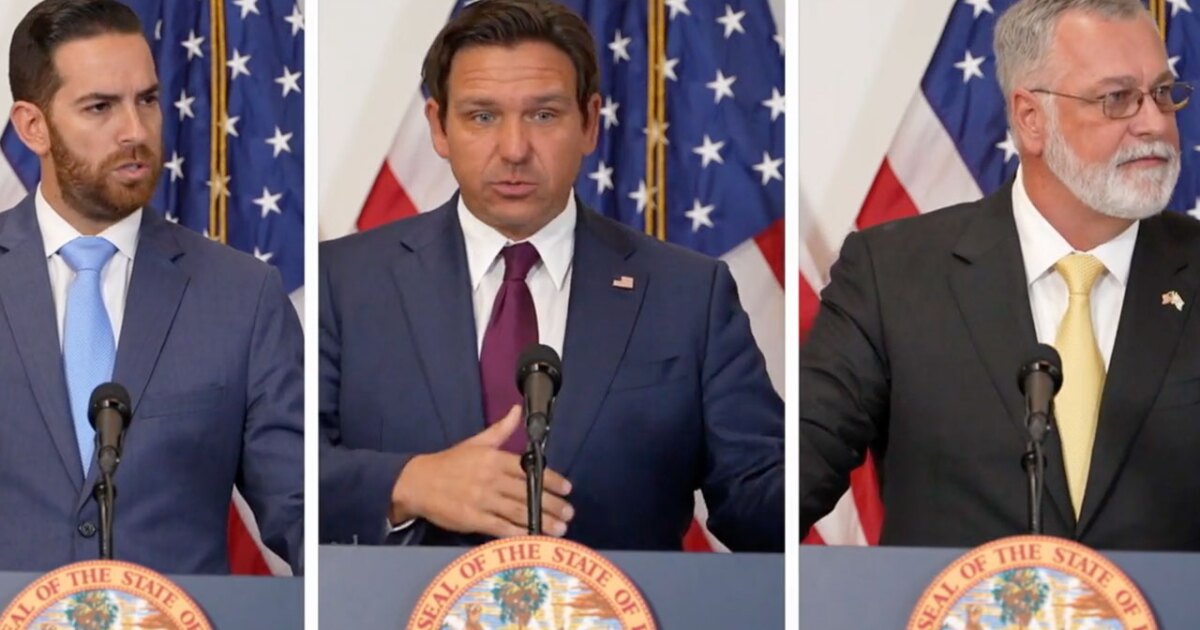
Florida lawmakers are racing toward a high-stakes finish to the legislative session as a sweeping property tax overhaul triggers fierce debate. The House is pushing to eliminate most non-school property taxes on primary homes, while the Senate urges caution and Gov. Ron DeSantis floats even bigger changes. With Democrats warning of budget crises and only weeks left to strike a deal, the future of Florida’s tax structure—and its real estate market—hangs in the balance.
Florida homeowners are getting rare financial relief as the emergency insurance assessment—added after multiple insurers collapsed post‑Hurricane Ian—has been paid off two years early. The early payoff wipes out the charge of about $30 per household per year and delivers more than $650 million in statewide savings. With the insurance market stabilizing faster than expected, real estate and insurance professionals can expect a slightly more favorable environment for buyers and policyholders alike.
After years of pandemic‑driven disruption, rising vacancies, and interest‑rate volatility, confidence is finally returning to commercial real estate. Major analysts report that leasing activity is accelerating, investor appetite is rising, and high‑quality properties are leading the rebound. With investment volumes expected to jump and vacancies beginning to fall, 2026 is shaping up to be the long‑awaited turning point for the industry.
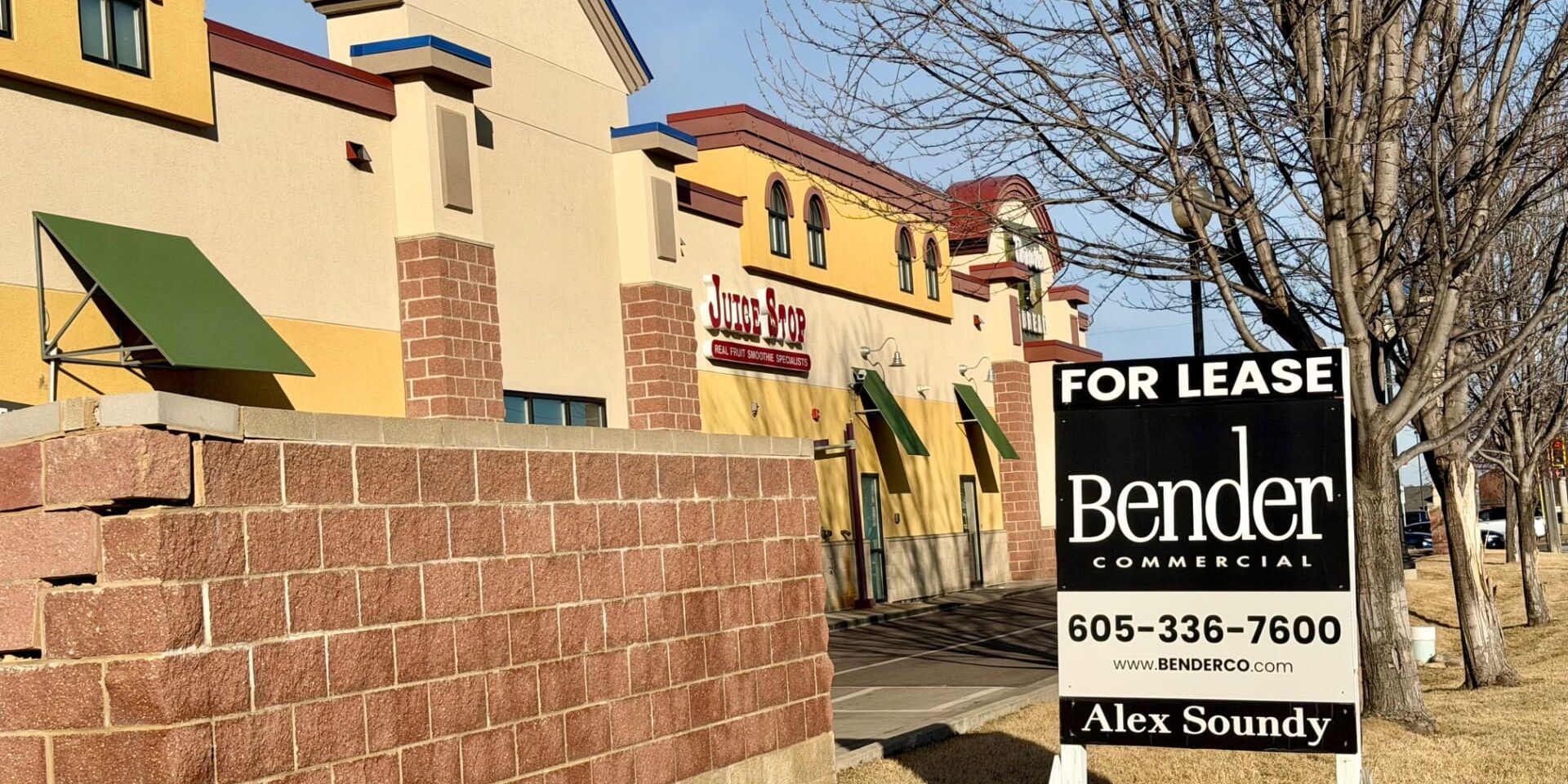
Sioux Falls enters 2026 with a commercial real estate market outperforming nearly every regional competitor. Fueled by strong fundamentals, major private investment, and confidence across all sectors, the city is positioned for what experts call “white‑hot economic activity.” From booming land sales and rising retail absorption to stabilizing office and industrial sectors, the metro’s momentum is undeniable—making it a prime environment for real estate professionals and investors looking for opportunity.
Florida lawmakers have advanced HB 767, a major insurance transparency bill that would create a statewide online rate database, boost consumer education, and prevent insurers from using land value to inflate premiums. The proposal promises clearer insurance data and stronger accountability—bringing much‑needed relief and insight to homeowners, real estate agents, mortgage professionals, and insurance producers across the state.