As the Urban Land Institute’s European conference commenced in Milan, Italy, on June 12, former Portuguese Prime Minister José Manuel Durȃo Barroso took center stage. In a compelling address, he underscored the pervasive influence of geopolitics on the contemporary real estate landscape. His insights, reported by Urban Land Magazine, highlighted the increasing relevance of global tensions in shaping strategic decisions within the industry.

Durão barroso at uli conference

Durȃo Barroso articulated a stark view of the current geopolitical climate, describing it as “polarized, fragmented, very volatile… unpredictable and dangerous.” He emphasized that these dynamics are not mere background noise but critical factors that must be integrated into the decision-making processes of businesses and economies alike.

The former European Commission president’s remarks resonated with many real estate leaders, as the industry grapples with the implications of political instability. The Global Outlook Emerging Trends in Real Estate 2024 report released in March highlighted similar concerns, with political instability, including the upcoming U.S. presidential election, flagged as a pivotal consideration.

Geopolitical Tensions and Economic Impact

Barroso noted that the industry has weathered numerous challenges since the 2007-2008 Global Financial Crisis. However, he pointed out that the world has irrevocably changed following Russia’s invasion of Ukraine in February 2022. This conflict has not only reshaped geopolitical alliances but has also had profound economic repercussions, notably in terms of inflation and energy prices.

“Many found we were so dependent on Russian supplies of gas,” Barroso remarked, “and Europe has adapted remarkably in a very short period, but with some costs.” He highlighted a shift towards protectionist policies and a renewed focus on national resilience, challenging Europe’s traditionally open trade stance.

The Role of Technology

Beyond geopolitical tensions, Barroso urged European leaders to capitalize on the burgeoning opportunities presented by technological advancements, especially in artificial intelligence. He warned that Europe is “lagging behind” the U.S. and China in AI investments and competitiveness. “AI is able to solve problems that we could not solve as humans, and it’s going to change everything,” he asserted, emphasizing the need for Europe to bolster its competitive edge.

As the conference unfolded, the insights shared by Durȃo Barroso and others painted a complex picture of the challenges and opportunities facing the real estate sector. The interplay of geopolitical instability, economic pressures, and technological innovation will undoubtedly shape the industry’s trajectory in the years to come.

For a deeper dive into these discussions, readers can explore the full article on Urban Land Magazine.

More Articles

Getting licensed or staying ahead in your career can be a journey—but it doesn’t have to be overwhelming. Grab your favorite coffee or tea, take a moment to relax, and browse through our articles. Whether you’re just starting out or renewing your expertise, we’ve got tips, insights, and advice to keep you moving forward. Here’s to your success—one sip and one step at a time!

The Genetic Revolution: CRISPR and Public Opinion

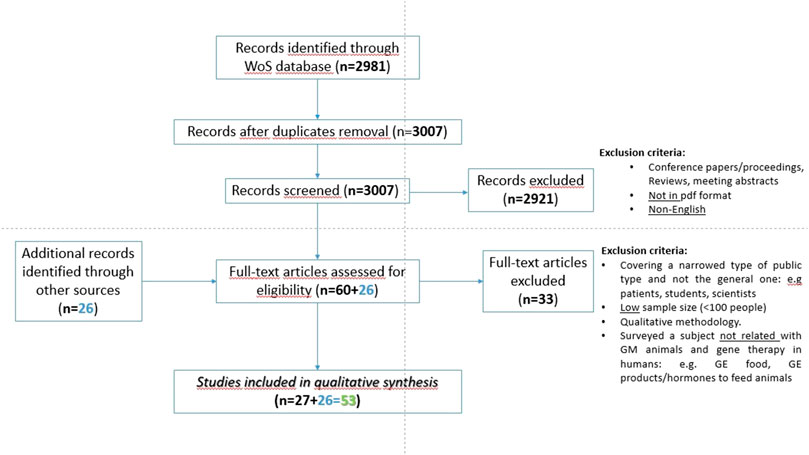
CRISPR-Cas9 democratizes the ability to edit genomes with unprecedented precision and ease, transforming scientific research and sparking profound societal and ethical debates.

Revolutionizing Healthcare: The AI Transformation

Artificial Intelligence (AI) is no longer a futuristic concept in healthcare; it is a reality reshaping the industry today. Visionaries like Vinod Khosla have long predicted AI's potential, foreseeing its ability to replace up to 80% of standard medical tasks. This transformation is now evident as AI technologies begin to outperform traditional methods, particularly in areas requiring precision and data processing.

Exploring the Intersection of AI and Patient-Centered Care

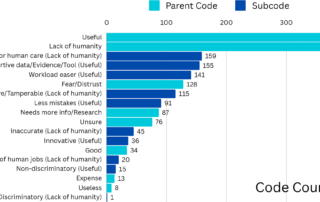
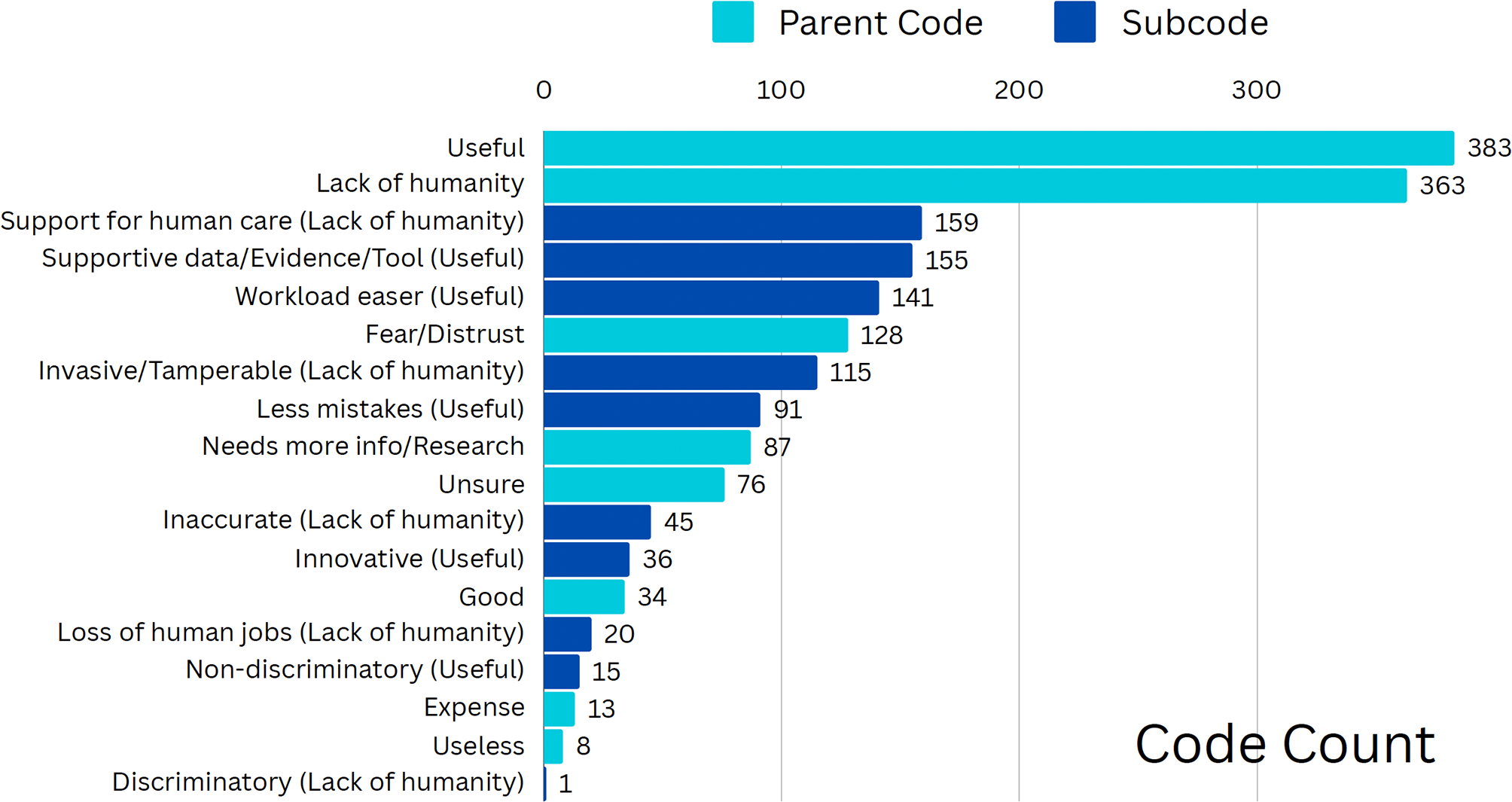
In a groundbreaking study published in BMC Medical Ethics, researchers have delved into the public's perception of artificial intelligence (AI) in healthcare, spotlighting both ethical concerns and potential opportunities for enhancing patient-centered care.

By |December 19, 2024|Categories: Article, Ethics, Healthcare|Tags: , |0 Comments

The AI Revolution in Real Estate

The real estate industry is experiencing a seismic shift, thanks to the integration of artificial intelligence (AI). This cutting-edge technology is fundamentally transforming property acquisition, sales, and management processes. AI's influence extends to predictive analytics, which are reshaping investment decisions, and virtual property tours, which are revolutionizing how we navigate the real estate landscape.

By |December 19, 2024|Categories: Article, Artificial Intelligence, Real Estate|Tags: |0 Comments

Virtual Care in 2024: Challenges and Opportunities for Telehealth

The telehealth market is experiencing a remarkable surge, driven by the increasing adoption of digital health solutions and remote care services.

NAR 2024 Sustainability Report: A Greener Future for Real Estate

The findings suggest that the industry is on the cusp of a "green revolution," with significant strides being made towards sustainability.


By |December 18, 2024|Categories: Article, Real Estate, Sustainability|Tags: , |0 Comments