As the Urban Land Institute’s European conference commenced in Milan, Italy, on June 12, former Portuguese Prime Minister José Manuel Durȃo Barroso took center stage. In a compelling address, he underscored the pervasive influence of geopolitics on the contemporary real estate landscape. His insights, reported by Urban Land Magazine, highlighted the increasing relevance of global tensions in shaping strategic decisions within the industry.
Durȃo Barroso articulated a stark view of the current geopolitical climate, describing it as “polarized, fragmented, very volatile… unpredictable and dangerous.” He emphasized that these dynamics are not mere background noise but critical factors that must be integrated into the decision-making processes of businesses and economies alike.
The former European Commission president’s remarks resonated with many real estate leaders, as the industry grapples with the implications of political instability. The Global Outlook Emerging Trends in Real Estate 2024 report released in March highlighted similar concerns, with political instability, including the upcoming U.S. presidential election, flagged as a pivotal consideration.
Geopolitical Tensions and Economic Impact
Barroso noted that the industry has weathered numerous challenges since the 2007-2008 Global Financial Crisis. However, he pointed out that the world has irrevocably changed following Russia’s invasion of Ukraine in February 2022. This conflict has not only reshaped geopolitical alliances but has also had profound economic repercussions, notably in terms of inflation and energy prices.
“Many found we were so dependent on Russian supplies of gas,” Barroso remarked, “and Europe has adapted remarkably in a very short period, but with some costs.” He highlighted a shift towards protectionist policies and a renewed focus on national resilience, challenging Europe’s traditionally open trade stance.
The Role of Technology
Beyond geopolitical tensions, Barroso urged European leaders to capitalize on the burgeoning opportunities presented by technological advancements, especially in artificial intelligence. He warned that Europe is “lagging behind” the U.S. and China in AI investments and competitiveness. “AI is able to solve problems that we could not solve as humans, and it’s going to change everything,” he asserted, emphasizing the need for Europe to bolster its competitive edge.
As the conference unfolded, the insights shared by Durȃo Barroso and others painted a complex picture of the challenges and opportunities facing the real estate sector. The interplay of geopolitical instability, economic pressures, and technological innovation will undoubtedly shape the industry’s trajectory in the years to come.
For a deeper dive into these discussions, readers can explore the full article on Urban Land Magazine.
More Articles
Getting licensed or staying ahead in your career can be a journey—but it doesn’t have to be overwhelming. Grab your favorite coffee or tea, take a moment to relax, and browse through our articles. Whether you’re just starting out or renewing your expertise, we’ve got tips, insights, and advice to keep you moving forward. Here’s to your success—one sip and one step at a time!
Investors worldwide are redeploying capital, embracing more active deal structures, and expanding into new regions as the 2026 market takes shape. Data centers, revived office demand, and global diversification are driving a major shift—creating fresh opportunities for real estate, mortgage, and finance professionals who understand where capital is heading next.
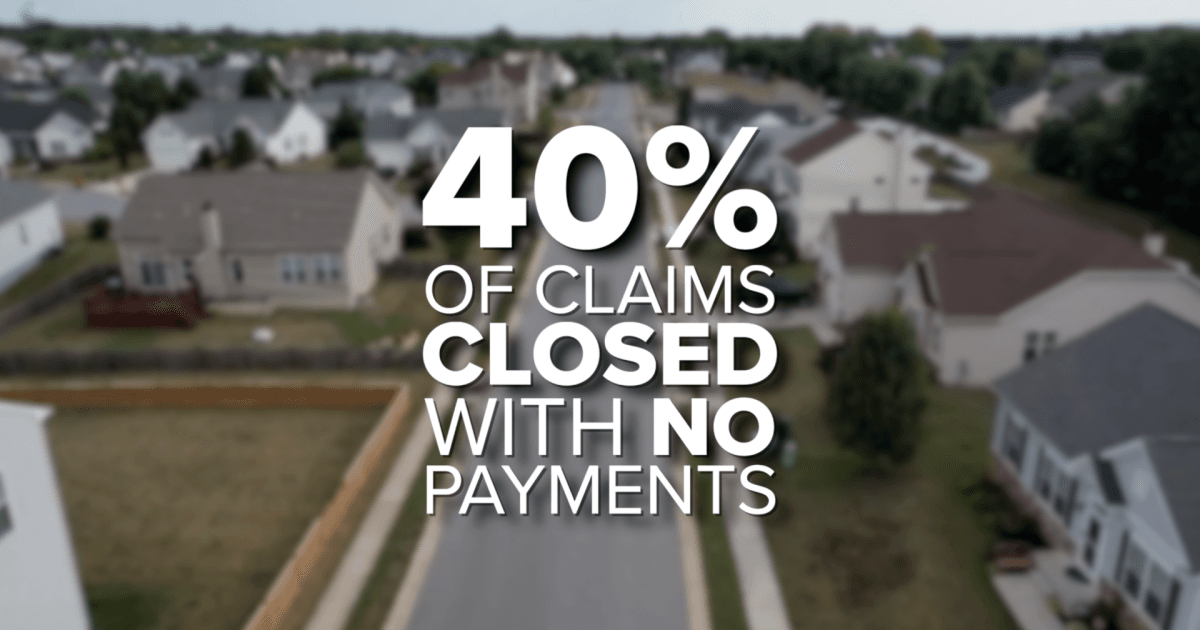
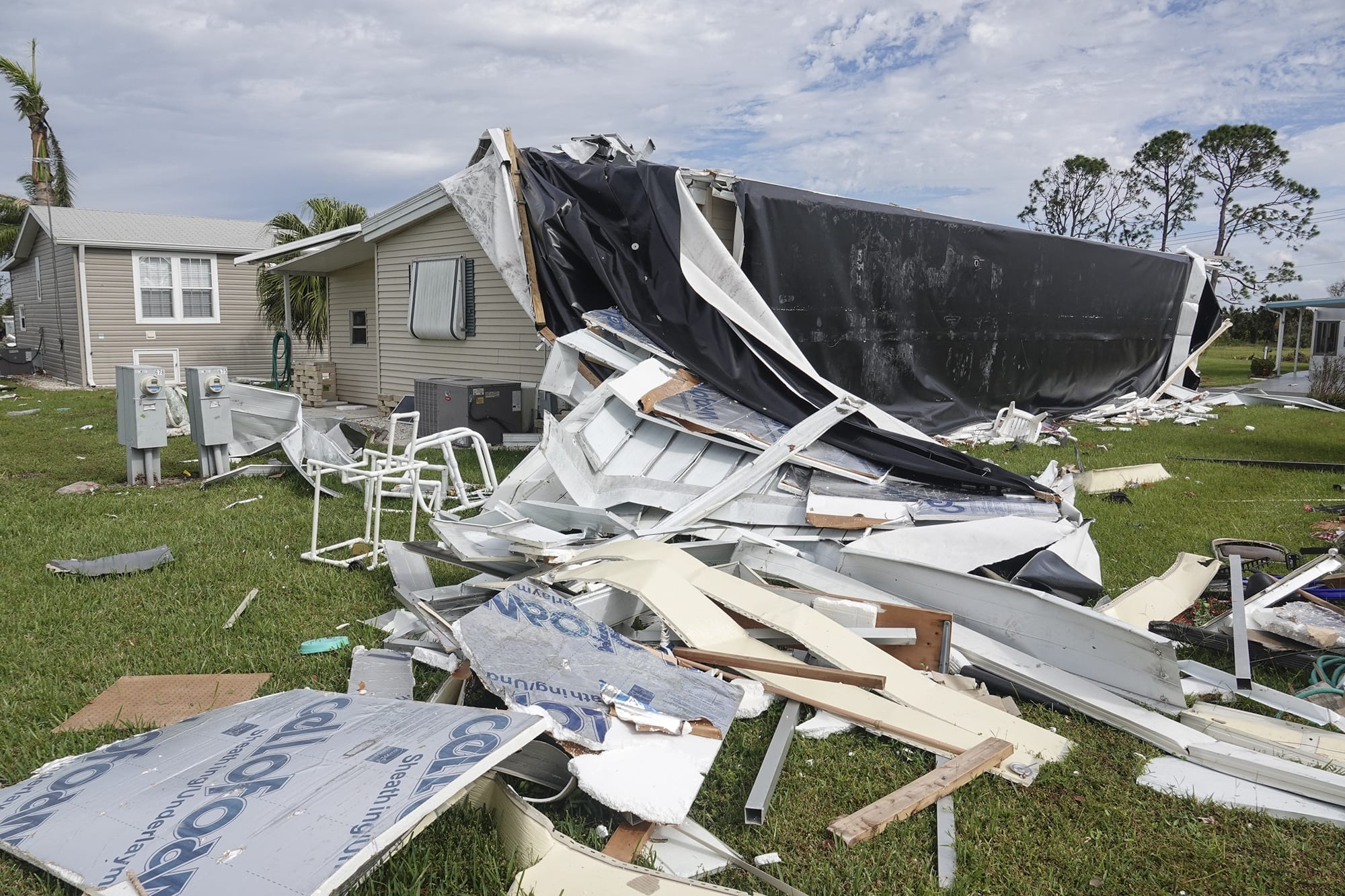
Florida homeowners now pay an average of $5,838 per year for insurance—about $3,000 more than the national average—pushing many families to the financial brink. Residents report premiums tripling, claims being severely underpaid, and insurers dropping policies at one of the highest rates in the country. As frustration mounts, lawmakers and industry experts are calling for sweeping reforms to curb rising costs, increase accountability, and stabilize a market that’s reshaping real estate decisions across the state.
Florida’s insurance market has hit a major turning point. Citizens Property Insurance—once the state’s largest insurer with 1.4 million policies—has shed more than 900,000 policies as private insurers return in force. Driven by Florida’s depopulation program and the arrival of 17 new companies, nearly 200,000 policies shifted to private carriers in October alone, with about 40 percent offering lower premiums. The shift signals rising competition, stabilizing rates, and new opportunities for homeowners and industry professionals navigating Florida’s evolving insurance landscape.
The National Association of REALTORS® has approved 18 major updates to modernize its MLS policies—the largest overhaul in two decades. Announced at NAR NXT in Houston and set to take effect in January 2026, the changes aim to streamline MLS operations, improve enforcement clarity, and better align policies with how today’s real estate professionals actually work.
Inhabit has rolled out a powerful lineup of AI-driven leasing, marketing, fraud prevention, and compliance tools designed to streamline operations and protect property teams from growing risks. From hybrid AI leasing assistants to instant income verification and upcoming portfolio-wide lease audits, these innovations aim to cut costs, eliminate inefficiencies, and strengthen regulatory confidence across the multifamily industry.
Florida’s latest round of insurance reforms was meant to calm a volatile market, yet many experts warn the same deep structural problems remain. Homeowners are being pushed from Citizens into higher‑priced, lightly capitalized private insurers, ratings agencies face scrutiny for inflated grades, and political influence clouds oversight. For real estate and insurance professionals, these trends signal ongoing risk, rising costs, and a market in need of a complete rebuild.