Remote work has emerged as a transformative force in real estate investment across India, particularly following the global shift prompted by the COVID-19 pandemic. This evolution is not merely a temporary adjustment but a profound change in how individuals perceive their living and working spaces. As remote work gains traction, so does the demand for homes that support this new lifestyle.

The Rise of Remote Working

Remote work has shifted traditional office-based environments as more companies adopt flexible work policies. This shift affects the demand for different types of properties, with a notable decrease in the need for commercial spaces and an increase in the appeal of residential setups.

Impact on Real Estate Investment

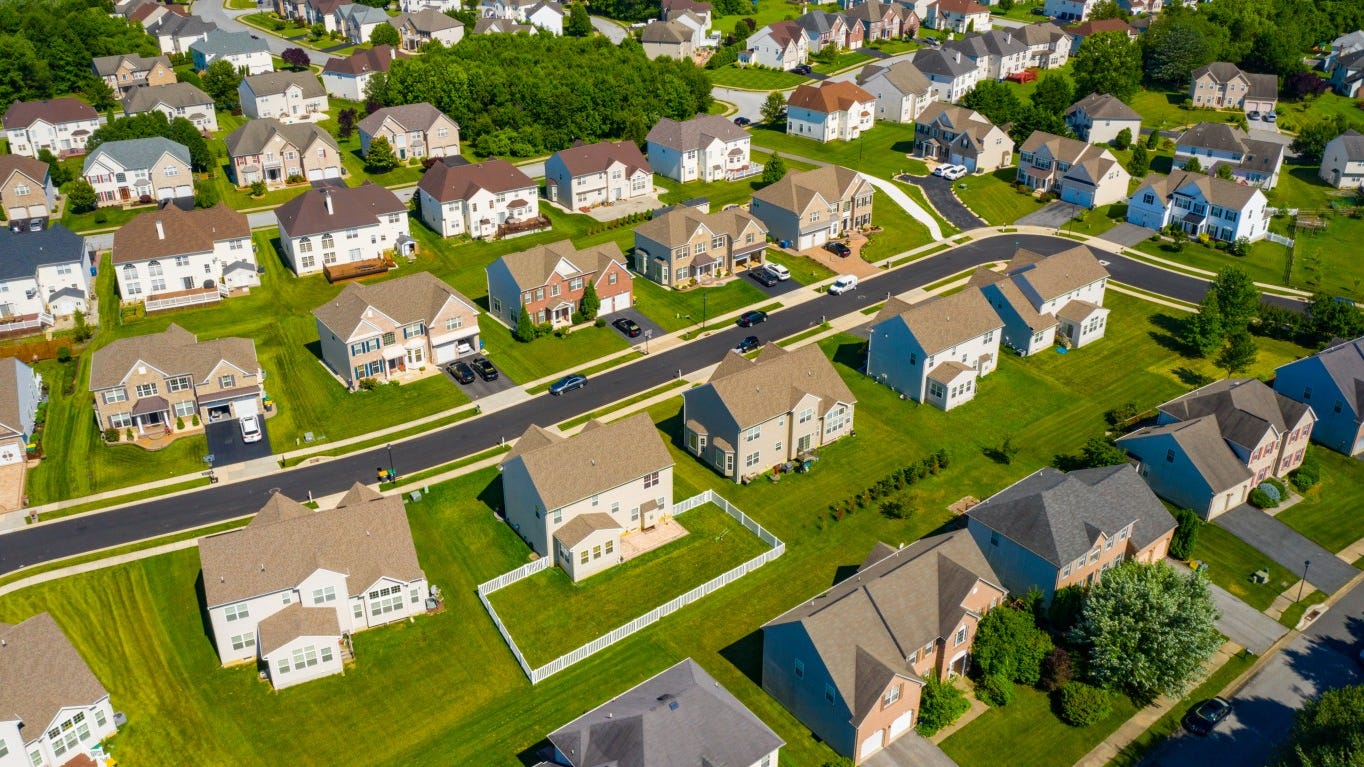
Investors are now prioritizing residential properties, particularly those in suburban and rural areas, which provide spacious environments conducive to home offices. This shift has reinvigorated interest in locations offering enhanced quality of life, breathing space, and amenities that urban centers often lack.

The demand for such properties has led to fluctuating real estate prices across different areas. While urban centers witness steady or reducing prices due to lessening demand for commercial offices, suburban and rural regions are experiencing a rise due to increased desirability and potential for appreciation.

Important Considerations for Investors

  • Connectivity & Infrastructure: High-speed internet and comprehensive infrastructure are key for appealing property investments.
  • Quality of Life: Desirable properties are in areas with high living standards, safety, and community amenities.
  • Property Features: Homes with office spaces, natural light, and sufficient outdoor areas are in high demand.
  • Market Trends: Keeping up with real estate dynamics is essential for strategic investment.
  • Legal & Regulatory Factors: Understanding property laws and zoning regulations is critical to compliance.
  • Future Prospects: Long-term area potential hinges on factors like infrastructure projects and economic policies.
  • Community Engagement: Areas with active social communities and cultural amenities are attractive to remote workers.


For investors navigating this changing landscape, several critical factors must be considered. Connectivity, particularly high-speed internet, becomes a decisive factor, as does infrastructure support in these regions. Moreover, remote workers value quality-of-life aspects like air quality, safety, and community, pushing investors to lean towards investing in areas rich with these attributes.

Furthermore, staying abreast with market trends is vital. Investors should closely monitor current demand-supply dynamics and future development plans to make informed decisions. A thorough understanding of legal and regulatory demands ensures compliance, while insights into future prospects based on economic growth potential help in identifying high-return opportunities.

In summary, remote work is dramatically reshaping real estate trends in India. By understanding and adapting to these shifts, investors can make savvy decisions, aligning their strategies with this evolving landscape and capitalizing on the burgeoning opportunities that remote working presents.

For more personalized advice, it may be beneficial to explore Buddhist solutions like Feng Shui for your remote workspace, which can enhance productivity and tranquility in home offices.

Have questions or insights on this topic? Feel free to reach out to Jhumur Ghosh, Editor-in-Chief, at [email protected].

More Articles

Getting licensed or staying ahead in your career can be a journey—but it doesn’t have to be overwhelming. Grab your favorite coffee or tea, take a moment to relax, and browse through our articles. Whether you’re just starting out or renewing your expertise, we’ve got tips, insights, and advice to keep you moving forward. Here’s to your success—one sip and one step at a time!

Florida’s Treasure Coast Kicks Off 2026 With a Wave of New Listings and Big Market Shifts

The Florida Treasure Coast started the new year with a surge of 1,905 new home listings—up 22 percent from last January—signaling one of the strongest inventory jumps in years. While Martin County saw its median home price drop by nearly $100,000, nearby St. Lucie and Indian River counties continued to rise, creating a uniquely mixed market. With sales climbing and inventory levels shifting toward a more buyer-friendly landscape, 2026 is shaping up to be an active and opportunity-rich year for both seasoned agents and those entering the real estate field.

Florida’s New Transparency Bill Could Reshape the Insurance Landscape

A unanimously passed House bill, HB 767, aims to require insurers to publicly disclose rate and premium data—giving Floridians long‑awaited clarity on rising costs. If approved by the Senate, the measure could significantly impact homeowners, real estate agents, mortgage professionals, and insurance specialists by increasing consumer trust and revealing how insurers calculate premiums.

U.S. Mortgage Rates Fall Below 6 Percent, Sparking New Energy in the Spring Housing Market

U.S. mortgage rates have dipped to 5.98 percent, breaking below the 6 percent mark for the first time since 2022 and giving the spring home-buying season a fresh boost. With rates falling for the third straight week and buyer interest rising, experts say this shift could encourage more market activity—though many homeowners with ultra‑low pandemic-era rates may still hesitate to sell.

AI and Real Estate Data: Who Is Making the Rules?

Artificial intelligence is rapidly transforming real estate, from listing creation to MLS infrastructure, forcing the industry to rethink how data is used, altered and protected. With AI tools making it easier than ever to modify photos, automate marketing and process sensitive documents, MLSs and state regulators are racing to establish new guardrails that ensure accuracy, privacy and consumer protection without slowing innovation.

AI for Real Estate Agents: How Smart Tools Help You Work Smarter, Close Faster, and Stay Ahead

Today’s real estate pros juggle nonstop client demands, constant marketing, and mountains of paperwork—but AI is stepping in as the ultimate assistant. From instant lead responses and personalized follow-up messages to predictive pricing tools and automated transaction support, agents are using AI to save hours, boost production, and stay competitive. The future of real estate belongs to professionals who combine their human touch with smart technology, and the shift is already happening.

Supreme Court Tariff Ruling Reshapes Global Trade and Surprises Markets

A landmark US Supreme Court decision striking down the use of emergency powers to impose broad tariffs has upended global trade expectations, lifted equity markets, and sent businesses scrambling to understand what comes next. While GDP slowed and inflation rose, markets reacted positively as the ruling removed a major source of uncertainty for importers, exporters, and investors. With the old tariff framework dismantled and new targeted measures on the horizon, industries from real estate to finance are bracing for shifting economic conditions that could influence everything from consumer spending to investment strategy.