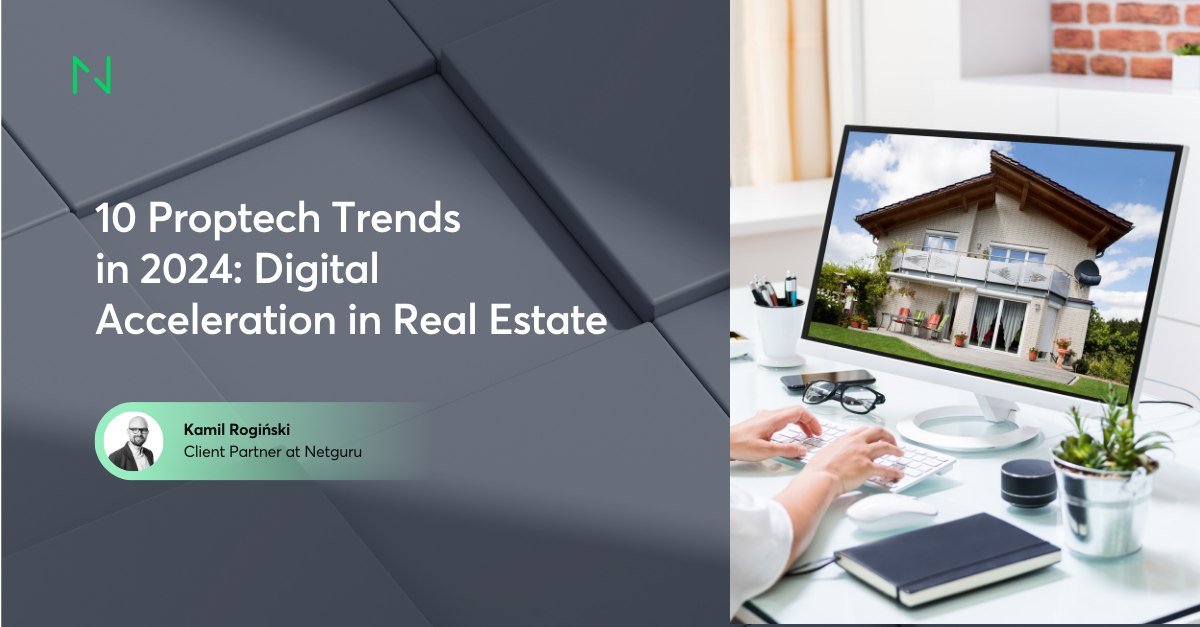
Remote work has emerged as a
transformative force in real estate investment across India, particularly following the global shift prompted by the COVID-19 pandemic. This evolution is not merely a temporary adjustment but a profound change in how individuals perceive their living and working spaces. As
remote work gains traction, so does the demand for homes that support this new lifestyle.
The Rise of Remote Working
Remote work has shifted traditional office-based environments as more companies adopt flexible work policies. This shift affects the demand for different types of properties, with a notable decrease in the need for commercial spaces and an increase in the appeal of residential setups.
Impact on Real Estate Investment
Investors are now prioritizing residential properties, particularly those in suburban and rural areas, which provide spacious environments conducive to home offices. This shift has reinvigorated interest in locations offering enhanced quality of life, breathing space, and amenities that urban centers often lack.
The demand for such properties has led to fluctuating real estate prices across different areas. While urban centers witness steady or reducing prices due to lessening demand for commercial offices, suburban and rural regions are experiencing a rise due to increased desirability and potential for appreciation.
Important Considerations for Investors
- Connectivity & Infrastructure: High-speed internet and comprehensive infrastructure are key for appealing property investments.
- Quality of Life: Desirable properties are in areas with high living standards, safety, and community amenities.
- Property Features: Homes with office spaces, natural light, and sufficient outdoor areas are in high demand.
- Market Trends: Keeping up with real estate dynamics is essential for strategic investment.
- Legal & Regulatory Factors: Understanding property laws and zoning regulations is critical to compliance.
- Future Prospects: Long-term area potential hinges on factors like infrastructure projects and economic policies.
- Community Engagement: Areas with active social communities and cultural amenities are attractive to remote workers.
For investors navigating this changing landscape, several critical factors must be considered.
Connectivity, particularly high-speed internet, becomes a decisive factor, as does infrastructure support in these regions. Moreover, remote workers value quality-of-life aspects like air quality, safety, and community, pushing investors to lean towards investing in areas rich with these attributes.
Furthermore, staying abreast with
market trends is vital. Investors should closely monitor current demand-supply dynamics and future development plans to make informed decisions. A thorough understanding of legal and regulatory demands ensures compliance, while insights into future prospects based on economic growth potential help in identifying high-return opportunities.
In summary,
remote work is dramatically reshaping real estate trends in India. By understanding and adapting to these shifts, investors can make savvy decisions, aligning their strategies with this evolving landscape and capitalizing on the burgeoning opportunities that remote working presents.
For more personalized advice, it may be beneficial to explore Buddhist solutions like
Feng Shui for your remote workspace, which can enhance productivity and tranquility in home offices.
Have questions or insights on this topic? Feel free to reach out to Jhumur Ghosh, Editor-in-Chief, at [email protected].