The Invisible Backbone Transforming Real Estate: Why Connectivity Is Now a Market Differentiator
At PropTech Connect Europe 2025, one truth rang louder than ever: connectivity is no longer just a building feature — it’s the foundation of real estate innovation. From investors demanding clearer sustainability metrics to tenants expecting seamless digital experiences, the entire industry now depends on one critical layer: the network behind the walls.
Governments are funding high-speed national fiber rollouts, yet the responsibility falls on developers and property owners to extend that connectivity indoors. The vision for smarter, cleaner, more efficient buildings already exists — the question is whether the foundation is strong enough to support it.
Goodbye Copper. Hello Capacity.
For decades, copper wiring formed the digital skeleton of buildings — but it was designed for a very different era. Today’s real estate ecosystem thrives on data-heavy operations, automation, intelligent sensors, and AI-driven systems. Fiber networks replace bulky switches and outdated cables with a cleaner, faster, and dramatically more efficient backbone.
The result? Better tenant retention, higher satisfaction, premium rental potential, and stronger long-term valuation. Connectivity is no longer hidden infrastructure — it’s a competitive advantage.
The Essential Nutrients in Real Estate’s High-Fiber Diet
1. Sustainability You Can Measure
Frameworks like BREEAM reward measurable sustainability — and fiber contributes across multiple categories. With fewer active components and lower power needs, fiber networks cut energy consumption by up to 40%, reduce heat output, and require significantly less physical material. Independent studies show these networks not only elevate sustainability scores but also reduce operational emissions — a win for ESG commitments and long-term costs.
2. No More Silos — Build an Open Stack
Smart buildings thrive when systems communicate: lighting, HVAC, access control, automation, sensors, and ESG dashboards. Fiber’s virtually unlimited bandwidth supports Wi-Fi 7, IoT systems, and next-generation building automation. This creates unified, scalable environments that grow with technology instead of collapsing under it.
3. From Expense to Asset
Fiber connectivity isn’t just a technical improvement — it’s a financial strategy. By reducing cabling by up to 70% and lowering reliance on energy-consuming network rooms, fiber frees valuable square footage and reduces lifetime operational costs. With lifespans of 50+ years, a fiber backbone becomes a long-term asset that future-proofs the property.
PropTech Connect Takeaway
As highlighted at PropTech Connect Europe 2025, digital infrastructure is now core to real estate value. Whether the goal is sustainability, improved tenant experience, or long-term flexibility, fiber is the new foundation.
Real estate’s competitive edge no longer lies in location alone — it lives in the intelligence and efficiency of the building itself. And that intelligence starts with connectivity.
If you’re a real estate professional — or someone pursuing or upgrading your license through a trusted education provider like Cameron Academy — this shift matters. Understanding the technology behind modern properties positions you ahead in an industry where digital readiness increasingly defines leadership.
Getting licensed or staying ahead in your career can be a journey—but it doesn’t have to be overwhelming. Grab your favorite coffee or tea, take a moment to relax, and browse through our articles. Whether you’re just starting out or renewing your expertise, we’ve got tips, insights, and advice to keep you moving forward. Here’s to your success—one sip and one step at a time!
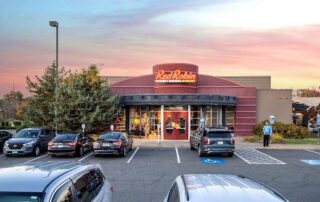
Newman Properties, a Massachusetts-based investment firm, has expanded its footprint into Connecticut with the $3.65 million acquisition of a 6,350‑square‑foot retail building in Enfield. Anchored by national restaurant chain Red Robin, the property offers the type of stable tenancy investors seek when entering new markets. The deal underscores growing confidence in anchored retail assets and provides a valuable real-world example for real estate professionals studying market analysis, investment strategy, and portfolio expansion.
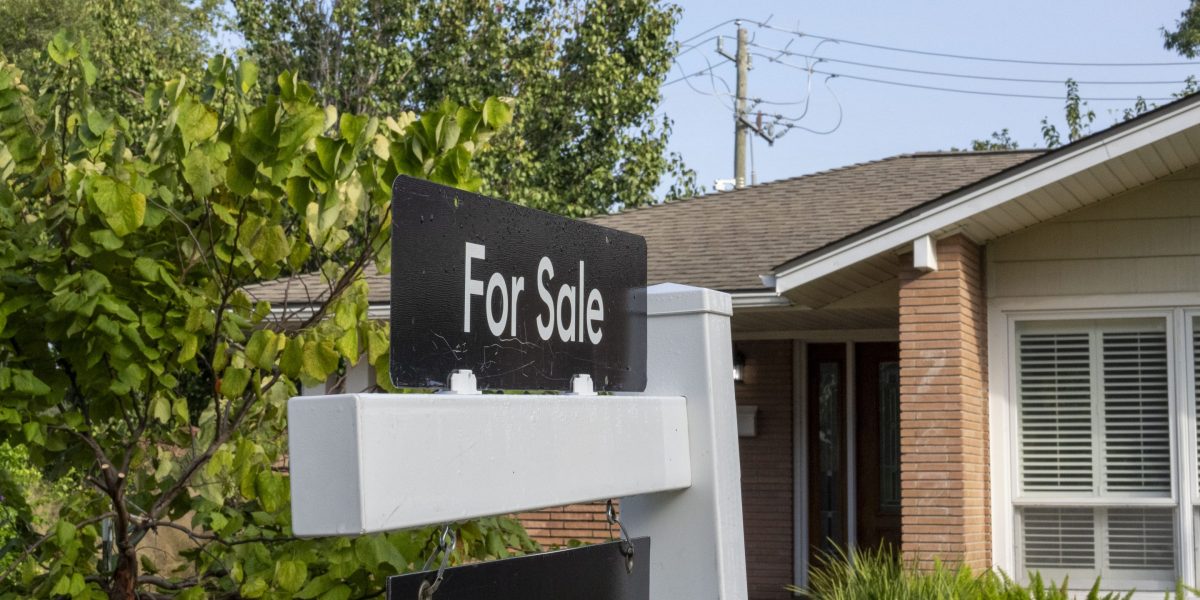
JPMorgan now expects national home prices to flatten in 2026, but the Sunbelt is telling a very different story. Florida home values are down 5.1%, Texas is down 2.4%, and analysts warn that years of rapid building are finally catching up to the region. As demand stabilizes and inventory swells, real estate professionals — especially in Florida — face a market full of challenges, opportunities, and critical timing decisions.
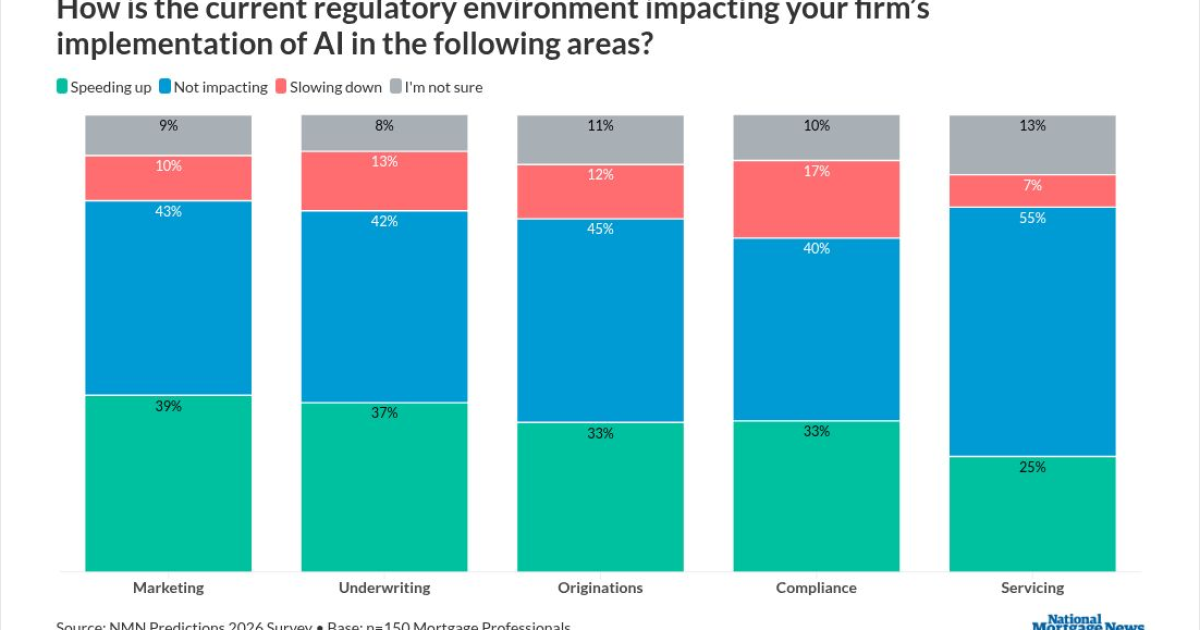
Artificial intelligence is finally stepping into the mortgage underwriting spotlight, with 57% of mortgage professionals predicting it will drive the most transformative industry shift in 2026. Thanks to major advancements in language models and workflow automation, AI is now capable of navigating the messy, document-heavy realities that have long slowed underwriting. From faster preapprovals to improved credit analysis and real‑time income verification, AI is streamlining processes while allowing underwriters to focus on true risk management. As regulatory winds shift and grassroots pressure builds within lending teams, the industry is entering a pivotal era where AI‑powered underwriting becomes not just an advantage — but an expectation.
Portland’s top 20 office towers have lost an unprecedented 70% of their value since 2019—plunging from $3 billion to under $1 billion—triggering tax revenue shortfalls, budget crises, and a surge in appeals as the city grapples with its biggest commercial real estate reset in modern history.
South Florida’s luxury real estate market just raised the bar again — this time with a $1 million virtual reality system that lets buyers walk through Dolce & Gabbana’s upcoming Miami tower long before construction wraps. Real estate master’s students were given an immersive look inside the project, discovering how VR is transforming high‑end development, influencing buyer psychology, and shaping the future skills today’s professionals need.
Long Island’s commercial real estate scene is kicking off 2026 with a surge of activity—industrial leases in Medford, neighborhood retail trades in Bohemia, Pizza Hut’s new DELCO expansion in Centereach, mixed‑use acquisitions in Melville, and major investor interest in bank‑leased and franchise-backed properties. From warehouses to restaurant rebrands, these deals highlight a region evolving fast and offering fresh opportunities for agents, investors, and professionals looking to stay ahead in the market.