The Invisible Backbone Transforming Real Estate: Why Connectivity Is Now a Market Differentiator
At PropTech Connect Europe 2025, one truth rang louder than ever: connectivity is no longer just a building feature — it’s the foundation of real estate innovation. From investors demanding clearer sustainability metrics to tenants expecting seamless digital experiences, the entire industry now depends on one critical layer: the network behind the walls.
Governments are funding high-speed national fiber rollouts, yet the responsibility falls on developers and property owners to extend that connectivity indoors. The vision for smarter, cleaner, more efficient buildings already exists — the question is whether the foundation is strong enough to support it.
Goodbye Copper. Hello Capacity.
For decades, copper wiring formed the digital skeleton of buildings — but it was designed for a very different era. Today’s real estate ecosystem thrives on data-heavy operations, automation, intelligent sensors, and AI-driven systems. Fiber networks replace bulky switches and outdated cables with a cleaner, faster, and dramatically more efficient backbone.
The result? Better tenant retention, higher satisfaction, premium rental potential, and stronger long-term valuation. Connectivity is no longer hidden infrastructure — it’s a competitive advantage.
The Essential Nutrients in Real Estate’s High-Fiber Diet
1. Sustainability You Can Measure
Frameworks like BREEAM reward measurable sustainability — and fiber contributes across multiple categories. With fewer active components and lower power needs, fiber networks cut energy consumption by up to 40%, reduce heat output, and require significantly less physical material. Independent studies show these networks not only elevate sustainability scores but also reduce operational emissions — a win for ESG commitments and long-term costs.
2. No More Silos — Build an Open Stack
Smart buildings thrive when systems communicate: lighting, HVAC, access control, automation, sensors, and ESG dashboards. Fiber’s virtually unlimited bandwidth supports Wi-Fi 7, IoT systems, and next-generation building automation. This creates unified, scalable environments that grow with technology instead of collapsing under it.
3. From Expense to Asset
Fiber connectivity isn’t just a technical improvement — it’s a financial strategy. By reducing cabling by up to 70% and lowering reliance on energy-consuming network rooms, fiber frees valuable square footage and reduces lifetime operational costs. With lifespans of 50+ years, a fiber backbone becomes a long-term asset that future-proofs the property.
PropTech Connect Takeaway
As highlighted at PropTech Connect Europe 2025, digital infrastructure is now core to real estate value. Whether the goal is sustainability, improved tenant experience, or long-term flexibility, fiber is the new foundation.
Real estate’s competitive edge no longer lies in location alone — it lives in the intelligence and efficiency of the building itself. And that intelligence starts with connectivity.
If you’re a real estate professional — or someone pursuing or upgrading your license through a trusted education provider like Cameron Academy — this shift matters. Understanding the technology behind modern properties positions you ahead in an industry where digital readiness increasingly defines leadership.
Getting licensed or staying ahead in your career can be a journey—but it doesn’t have to be overwhelming. Grab your favorite coffee or tea, take a moment to relax, and browse through our articles. Whether you’re just starting out or renewing your expertise, we’ve got tips, insights, and advice to keep you moving forward. Here’s to your success—one sip and one step at a time!
Nevada has enacted a first‑in‑the‑nation law permitting insurers to sell homeowners policies that exclude wildfire coverage, a move supporters say could help stabilize premiums but critics warn may leave homeowners financially devastated. The policy shift positions Nevada as a testing ground for potential nationwide changes, raising major implications for real estate, mortgage, and insurance professionals as lenders, high‑risk communities, and regulators navigate the evolving landscape.
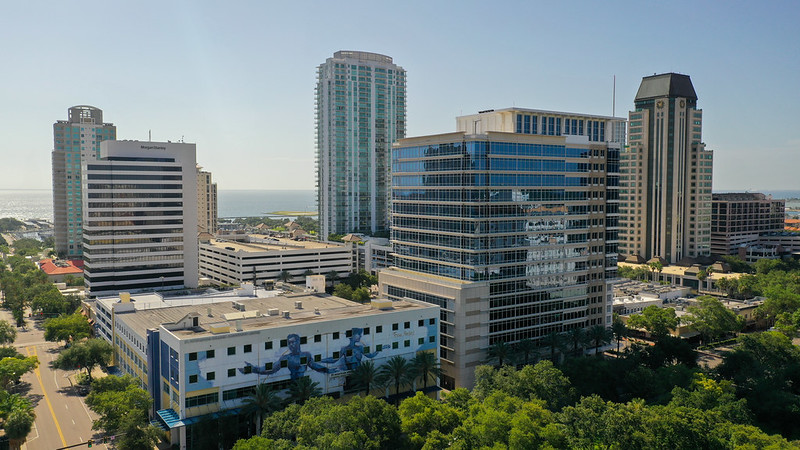
Tampa Bay’s office sector just delivered its most powerful year in nearly a decade, according to JLL’s Q4 2025 report. With more than 600,000 square feet of positive net absorption, falling vacancies, shrinking inventory, and major tenants like Fisher Investments and GEICO locking in massive leases, the region is emerging as one of the nation’s strongest post‑recovery office markets. The surge in demand for high‑quality space is driving rents up, tightening supply, and setting the stage for continued momentum into 2026.
The Consumer Financial Protection Bureau has proposed new updates to the Nationwide Mortgage Licensing System and Registry, expanding data collection, tightening verification standards, and refreshing record‑retention rules. These changes aim to strengthen background checks, enhance regulatory oversight, and align the system with federal requirements—impacting both current and aspiring mortgage loan originators nationwide.
Nevada has become the first state to let insurers sell homeowners policies that exclude wildfire coverage — a dramatic shift that could reshape insurance pricing across the West. Supporters say the move may lower premiums and spark innovation, while critics warn it could leave homeowners exposed to devastating losses. As regulators and insurers nationwide watch closely, the experiment could have major implications for real estate, mortgages, and insurance markets.
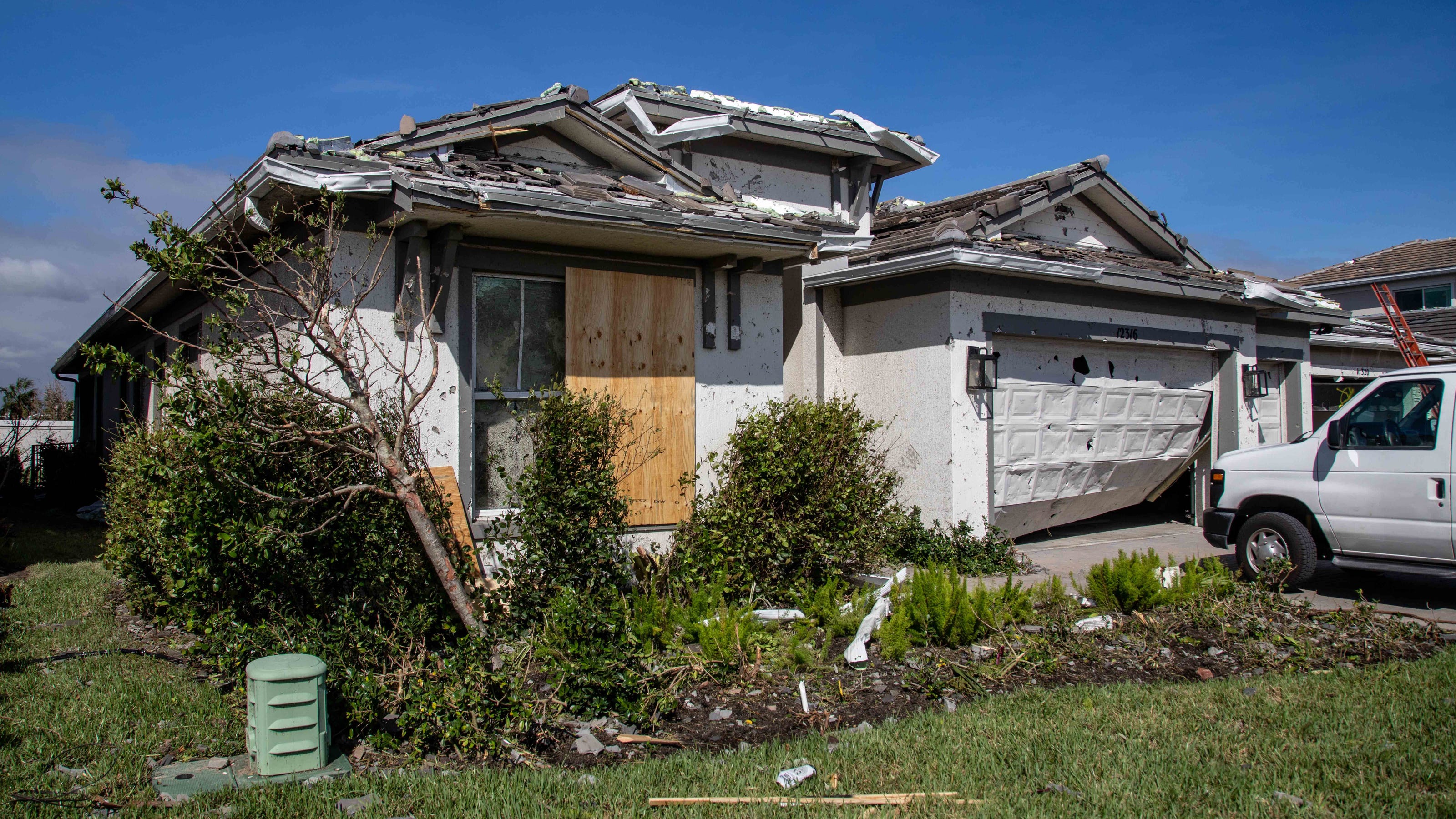
After years of soaring premiums and insurer failures, Florida lawmakers are rolling out a new slate of reforms aimed at finally delivering relief to homeowners. From cracking down on profit‑sharing affiliates to unveiling hidden rate factors and rewarding claim‑free residents, these proposals could reshape the state’s insurance landscape — and bring real savings to property owners and real estate professionals alike.
With traditional CRE lending slowing nationwide, C‑PACE financing is surging to all‑time highs — including a record‑setting $465 million loan for a major D.C. redevelopment. Backed by long repayment terms, fixed rates, and tax‑assessment security, C‑PACE is rapidly becoming a preferred tool for funding energy efficiency, resiliency upgrades, and even large‑scale project recapitalizations. Major players like Nuveen Green Capital and Peachtree Group are driving billions in new volume as 40 states adopt the program, signaling a major shift in how commercial real estate projects are financed.