The Invisible Backbone Transforming Real Estate: Why Connectivity Is Now a Market Differentiator
At PropTech Connect Europe 2025, one truth rang louder than ever: connectivity is no longer just a building feature — it’s the foundation of real estate innovation. From investors demanding clearer sustainability metrics to tenants expecting seamless digital experiences, the entire industry now depends on one critical layer: the network behind the walls.
Governments are funding high-speed national fiber rollouts, yet the responsibility falls on developers and property owners to extend that connectivity indoors. The vision for smarter, cleaner, more efficient buildings already exists — the question is whether the foundation is strong enough to support it.
Goodbye Copper. Hello Capacity.
For decades, copper wiring formed the digital skeleton of buildings — but it was designed for a very different era. Today’s real estate ecosystem thrives on data-heavy operations, automation, intelligent sensors, and AI-driven systems. Fiber networks replace bulky switches and outdated cables with a cleaner, faster, and dramatically more efficient backbone.
The result? Better tenant retention, higher satisfaction, premium rental potential, and stronger long-term valuation. Connectivity is no longer hidden infrastructure — it’s a competitive advantage.
The Essential Nutrients in Real Estate’s High-Fiber Diet
1. Sustainability You Can Measure
Frameworks like BREEAM reward measurable sustainability — and fiber contributes across multiple categories. With fewer active components and lower power needs, fiber networks cut energy consumption by up to 40%, reduce heat output, and require significantly less physical material. Independent studies show these networks not only elevate sustainability scores but also reduce operational emissions — a win for ESG commitments and long-term costs.
2. No More Silos — Build an Open Stack
Smart buildings thrive when systems communicate: lighting, HVAC, access control, automation, sensors, and ESG dashboards. Fiber’s virtually unlimited bandwidth supports Wi-Fi 7, IoT systems, and next-generation building automation. This creates unified, scalable environments that grow with technology instead of collapsing under it.
3. From Expense to Asset
Fiber connectivity isn’t just a technical improvement — it’s a financial strategy. By reducing cabling by up to 70% and lowering reliance on energy-consuming network rooms, fiber frees valuable square footage and reduces lifetime operational costs. With lifespans of 50+ years, a fiber backbone becomes a long-term asset that future-proofs the property.
PropTech Connect Takeaway
As highlighted at PropTech Connect Europe 2025, digital infrastructure is now core to real estate value. Whether the goal is sustainability, improved tenant experience, or long-term flexibility, fiber is the new foundation.
Real estate’s competitive edge no longer lies in location alone — it lives in the intelligence and efficiency of the building itself. And that intelligence starts with connectivity.
If you’re a real estate professional — or someone pursuing or upgrading your license through a trusted education provider like Cameron Academy — this shift matters. Understanding the technology behind modern properties positions you ahead in an industry where digital readiness increasingly defines leadership.
Getting licensed or staying ahead in your career can be a journey—but it doesn’t have to be overwhelming. Grab your favorite coffee or tea, take a moment to relax, and browse through our articles. Whether you’re just starting out or renewing your expertise, we’ve got tips, insights, and advice to keep you moving forward. Here’s to your success—one sip and one step at a time!
Cybercrime in 2025 has evolved into a full‑scale service economy, with malware now available through subscription platforms that operate like mainstream tech businesses. Bitsight’s latest analysis reveals explosive growth in Malware‑as‑a‑Service tools, rising attacks across industries like healthcare, finance, tech, and real estate, and a surge in cross‑platform malware and supply‑chain exploits. For professionals in any licensed field, the message is clear: today’s digital landscape demands heightened vigilance, stronger identity security, and proactive defense against an increasingly organized underground threat environment.
A new proptech startup in the UAE, Gllit is redefining how property deals happen by removing agents, eliminating commissions, and integrating AI tools that let users create professional listings in seconds. With a fast, transparent, and direct-to-owner model, Gllit offers a glimpse into the future of global real estate — and a powerful case study for U.S. professionals preparing for tech-driven changes in the industry.
The 2026 housing market is shaping up to be a year of stability with a few surprises. Mortgage rates are expected to hold steady, home price growth is slowing, and yet ownership costs continue to rise due to soaring taxes and insurance. Meanwhile, renting is becoming more attractive as affordability improves and built‑to‑rent communities expand. This breakdown highlights the biggest trends ahead — and what they mean for buyers, sellers, and real estate professionals, especially in Florida.
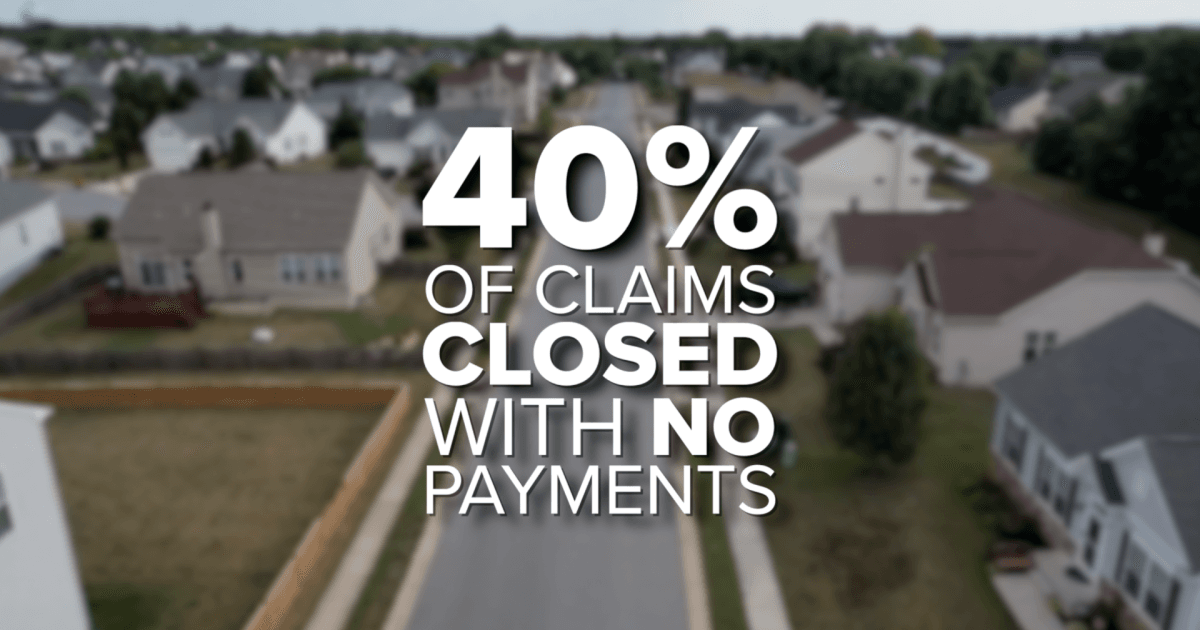
Florida homeowners are facing some of the highest insurance premiums in the nation, with average costs now topping $5,800 per year—about $3,000 above the U.S. average. Many residents report their rates have doubled or even tripled, while more than 40 percent of claims are closed with no payment. As frustration grows, state lawmakers and consumer advocates are pushing for transparency, rate caps, and incentives to help storm‑proof homes. The outcome of these reform efforts could reshape Florida’s real estate market, insurance landscape, and affordability for years to come.
A new global study from Risk.net and SAS reveals that many insurance companies are still making key decisions in isolated silos, despite industry-wide pushes toward data-driven strategies. While most leaders claim to have a clear vision, 38 percent admit they lack a real-time view of risks, revenue and costs. With poor data quality, limited collaboration and outdated processes holding teams back, experts say the industry is poised for a major transformation through AI, analytics and unified strategy—offering lessons for professionals across insurance, real estate, finance and other regulated fields.
Atlanta’s housing market is shifting into a more balanced and predictable phase. Prices have leveled off, inventory has finally caught up, and mortgage rates are easing enough to bring buyers back into the game. With steady demand, growing listings, and only mild price corrections forecasted into 2026, Atlanta remains one of the Southeast’s strongest real estate markets for buyers, sellers, and investors alike.