In the world of financial planning, the Certified Financial Planner (CFP) designation stands as a beacon of expertise and trust. This prestigious certification, awarded by the Certified Financial Planner Board of Standards, is a testament to a professional’s dedication to providing comprehensive financial advice and planning services.
A CFP serves as a personal financial coach, guiding individuals through the complexities of wealth management, tax planning, insurance, and more. To earn this certification, candidates must undergo a rigorous process, including a demanding examination that tests their knowledge across various financial domains.
The role of a CFP is underpinned by a strong fiduciary duty, ensuring that client interests are always prioritized. This duty is not just a promise but a legal obligation, setting CFPs apart from other financial professionals, such as stockbrokers.
The Path to Becoming a CFP
Achieving the CFP designation requires meeting stringent criteria in education, experience, and ethics. Candidates must hold a bachelor’s degree and complete specific coursework in financial planning, covering areas like financial planning principles and retirement planning.
Real-world experience is crucial, with candidates needing at least three years of professional experience in the industry. This hands-on experience ensures that CFPs are well-equipped to handle the diverse needs of their clients.
CFP vs. CFA
While both CFPs and Chartered Financial Analysts (CFAs) hold esteemed credentials, their roles differ significantly. CFPs typically focus on individual clients, providing personal financial planning and advice. In contrast, CFAs often work within investment management firms, analyzing company growth and financial health.
The journey to becoming a CFP is challenging but rewarding, offering professionals the opportunity to make a significant impact on their clients’ financial well-being. For those seeking expert financial guidance, a CFP provides a level of trust and competence that is unmatched in the industry.
“`
More Articles
Getting licensed or staying ahead in your career can be a journey—but it doesn’t have to be overwhelming. Grab your favorite coffee or tea, take a moment to relax, and browse through our articles. Whether you’re just starting out or renewing your expertise, we’ve got tips, insights, and advice to keep you moving forward. Here’s to your success—one sip and one step at a time!
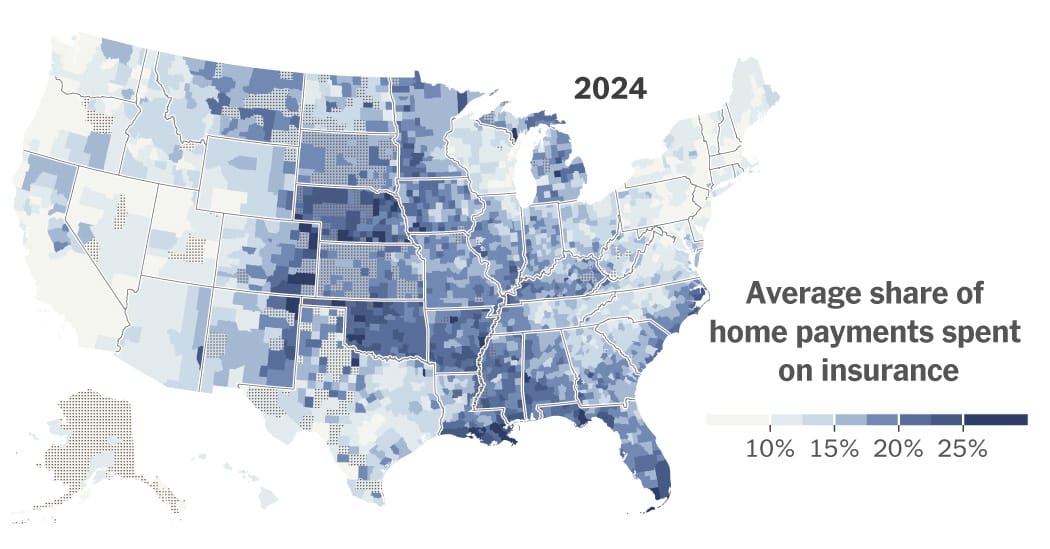
A surge in home insurance premiums is reshaping housing markets across the country, hitting disaster‑prone regions the hardest. From Louisiana to Colorado and California, deals are collapsing, buyers are backing out, and home values are dropping as insurance becomes a central affordability hurdle. New data shows climate‑driven risk repricing and soaring reinsurance costs are stripping tens of thousands of dollars from property values, forcing some homeowners to sell at a loss—or go uninsured altogether.
After years of sluggish activity, the National Association of REALTORS predicts 2026 could mark the long‑awaited rebound for the housing market. With a projected 14% jump in home sales, steadier rates near 6%, and rising buyer activity, NAR economists say momentum is already building. Early signs—like a 31% surge in mortgage applications, continued job growth, and stabilizing prices—suggest a stronger, more confident market ahead, creating fresh opportunities for both seasoned professionals and aspiring agents preparing to enter the field.
A surge of global capital is reshaping real estate heading into 2026, with investors shifting toward hands‑on strategies, cross‑border diversification, and high‑growth asset classes like data centers. Colliers’ 2026 Global Investor Outlook highlights rising confidence, improving liquidity, and a major pivot toward direct investing and value‑add opportunities. From office market rebounds to Asia Pacific’s rapid fundraising growth, the report outlines trends every real estate professional should understand as the industry enters a more dynamic, opportunity‑rich cycle.
Culver City just became the first place in California to legalize six‑story apartment buildings with only one staircase — a simple change that could reshape mid‑rise housing statewide. By freeing up as much as 7% more usable floor space, architects say single‑stair designs allow bigger units, more windows, and the kind of elegant layouts common in New York and Europe. If the city’s six‑year experiment succeeds, it may spark a broader rethinking of U.S. building codes and open the door to more flexible, affordable multifamily development across California.
Stratford homeowners are receiving their 2025 Notices of Assessment Change, marking the town’s first property revaluation since 2019. Officials emphasize that rising assessments do not equal higher tax bills, as a new mill rate won’t be set until spring 2026. Residents can challenge or review their updated valuations through informal hearings hosted by Vision Government Solutions, with appointments available for one week after receiving a notice.
New reporting reveals Florida homeowners now face an average insurance premium of $5,838 per year — nearly triple the national average. With skyrocketing rates, denied claims, and mounting non-renewals, residents are being pushed to tough financial decisions while lawmakers scramble to implement reforms. From retirees skipping coverage to families battling insurers for fair payouts, Florida’s insurance crisis is reshaping both the housing market and the daily lives of homeowners statewide.

:max_bytes(150000):strip_icc():format(webp)/Cfp_final-cdafe29d5d7046c9913d6ceb1ac9c380.png "The Journey And Significance Of Becoming A Certified Financial Planner (Cfp) 2")