In the ever-evolving world of real estate, the Law of Three emerges as a pivotal strategy for enhancing marketing and branding efforts. This principle, which traces its roots back to the communication theories of Aristotle, posits that limiting choices to three can significantly streamline decision-making processes. This concept is not only a cornerstone in sales strategy but also a tool for refining branding and marketing initiatives.
As reported by Inman, the Law of Three is especially relevant during the spring selling season, a time when marketing tactics are under the spotlight. The principle is lauded for its ability to create patterns that are easy for consumers to grasp, remember, and act upon. By focusing on three alternatives or niches, real estate professionals can sharpen their focus, thereby making their branding, marketing, and negotiations more effective.
The Psychological Basis of the Law of Three
Psychologically, three is the smallest number that creates a pattern, providing just enough information to avoid overwhelming consumers. This concept has been utilized by companies like Apple, which simplifies its product offerings to help consumers make informed decisions quickly. For instance, when Apple released its latest MacBook Air, it presented options in a “three across” by “three down” layout, making it easier for customers to choose the right model.
Applying the Law in Real Estate
Real estate agents can harness this strategy by identifying specific niches they serve and articulating a clear value proposition. The simplicity of the Law of Three can also be applied to buyer showings, as recommended by Daniel Ariely in his book Predictably Irrational. By showing three houses, two in excellent condition and one needing work, agents can facilitate quicker decision-making for buyers.
Moreover, during negotiations, offering clients three alternatives can empower them to make confident decisions. A script might include options such as making an offer at asking price, offering over asking, or walking away, thus placing the decision-making power back in the hands of the clients.
Limitations and Considerations
While the Law of Three is a potent tool, it is not universally applicable. Over-reliance on this pattern can render marketing efforts formulaic. Therefore, creating variety in advertising is crucial to maintaining effectiveness.
As Bernice Ross, a seasoned real estate trainer, suggests, implementing the Law of Three can provide a competitive edge in connecting with clients and closing deals. By narrowing focus to one to three niches and aligning marketing materials accordingly, real estate professionals can leverage this powerful approach to achieve success.
Getting licensed or staying ahead in your career can be a journey—but it doesn’t have to be overwhelming. Grab your favorite coffee or tea, take a moment to relax, and browse through our articles. Whether you’re just starting out or renewing your expertise, we’ve got tips, insights, and advice to keep you moving forward. Here’s to your success—one sip and one step at a time!
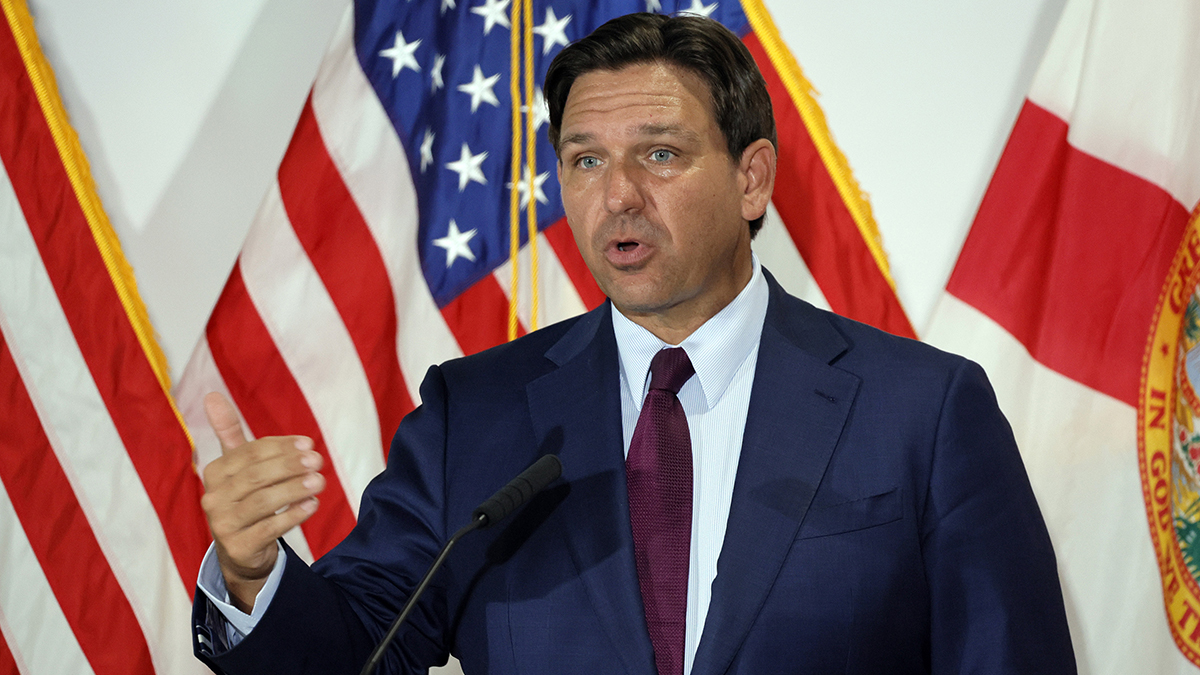
Florida homeowners — especially in hard‑hit South Florida — are set to see rare and substantial reductions in their property insurance premiums. Gov. Ron DeSantis announced an average statewide Citizens Insurance decrease of 8.7%, with even larger savings of up to 14% in counties like Miami-Dade, Broward, and Palm Beach. State officials credit recent legal and regulatory reforms for stabilizing the market, attracting new insurers, and delivering the first meaningful rate relief Floridians have seen in years.
Tampa’s commercial real estate market isn’t slowing—it’s maturing. With strong population growth, rising office demand, a normalized industrial sector, resurgent retail, and an emerging health‑care real estate boom, investors are shifting from speed to strategy. Tighter underwriting, cautious capital and increased due‑diligence are shaping a more disciplined market, creating new opportunities for informed professionals.
Florida homeowners are finally seeing relief as Citizens Property Insurance announces a major 8.7% average rate decrease—far larger than originally proposed. Driven by legislative reforms, fewer lawsuits, and a calm hurricane season, the state’s once‑unstable insurance market is showing real signs of recovery. But with reduced coverage limits and shifting legal protections, experts warn that lower premiums may come with hidden trade‑offs.
After a decade of rising premiums and retreating carriers, Florida homeowners are finally seeing long‑awaited relief. Dozens of insurers have filed for rate decreases—some as high as 11%—thanks to legislative reforms and a stabilizing market. Early approvals are already hitting counties across the state, and experts say the momentum could boost buyer confidence, affordability, and competition throughout Florida’s real estate and insurance sectors.
After years of slowed activity caused by rising interest rates, the self‑storage industry is heating up again. New data from Marcus & Millichap shows a fresh market cycle emerging, driven by renewed buyer confidence, recalibrated pricing, and stronger lender participation. Acquisitions are rebounding, development is resetting in a healthier direction, and financing conditions are improving—creating one of the most promising investment landscapes the sector has seen in years.
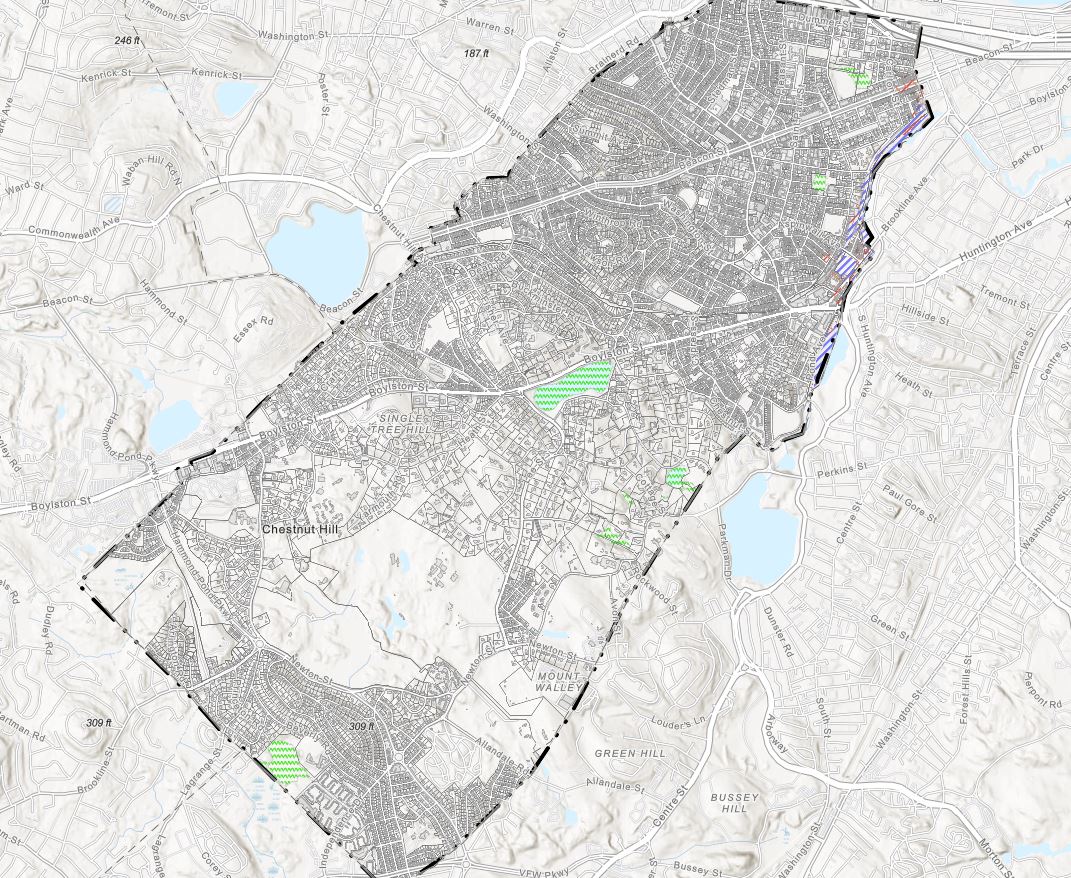
Brookline’s newly updated FEMA flood maps identify 97 high‑risk parcels, but local experts warn the true threat is far greater. While FEMA highlights river‑based flooding around Leverett Pond and the Muddy River, alternative models show more than 1,300 Brookline properties at risk within 30 years. Hidden vulnerabilities along major corridors like Beacon Street, rising rainfall intensity, aging infrastructure, and climate‑driven storm patterns suggest that many “low‑risk” areas may be anything but safe.