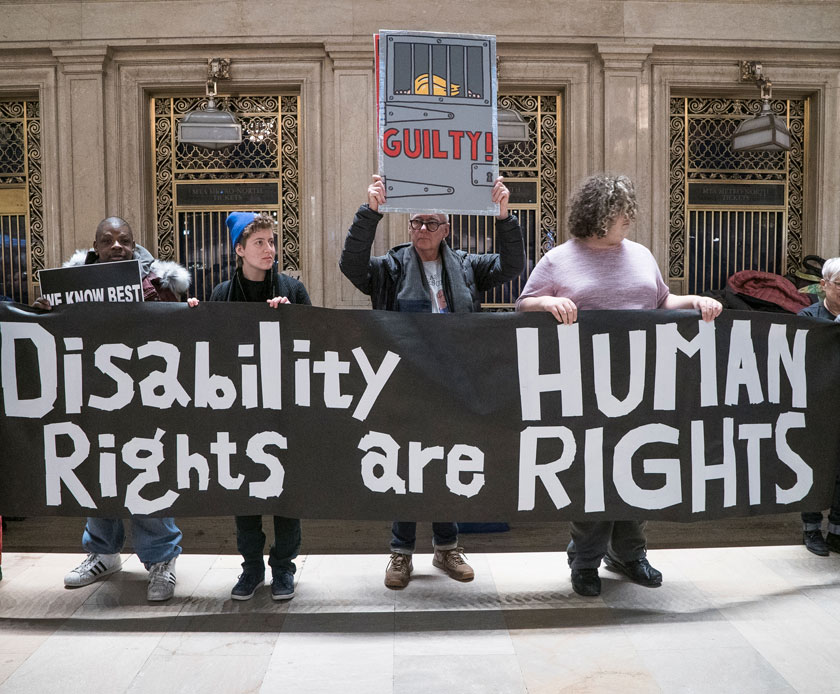
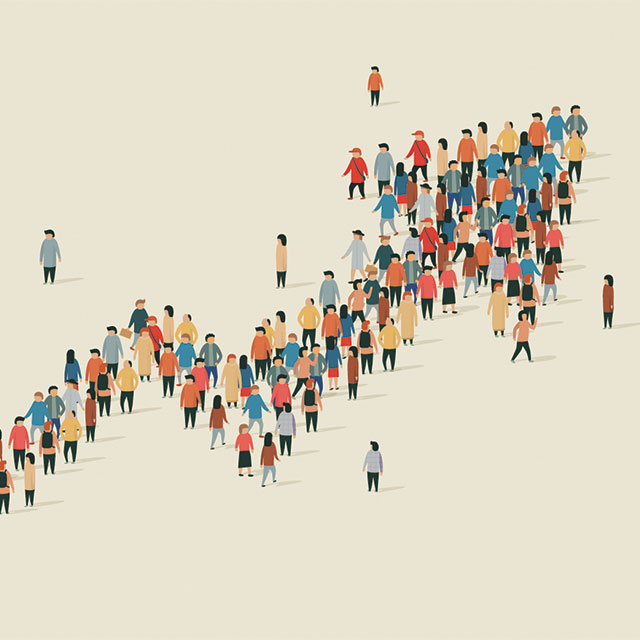
In a detailed analysis by the Center for American Progress, the potential impacts of the Heritage Foundation’s Project 2025 on disabled individuals have been laid bare. This sweeping policy agenda threatens to dismantle essential protections and services for the disability community, which comprises at least 28.7 percent of the U.S. population.
Elimination of Rights for Disabled Students
Project 2025 proposes structural changes that would severely impact disabled students. By moving the Office of Special Education and Rehabilitative Services to the Department of Health and Human Services, coordination of resources and knowledge would become challenging, undermining the promise of an equitable education for disabled students.
Major Cuts to Health Coverage
The project threatens to convert Medicaid funding into block grants, limiting states’ ability to provide essential home- and community-based services. Moreover, repealing Medicare’s ability to negotiate drug prices could lead to increased costs for millions of Americans.
Barriers to Employment
By eliminating key data collection and constraining the Equal Employment Opportunity Commission’s enforcement capabilities, Project 2025 could strip away critical protections for disabled workers. The plan also aims to eliminate the Office of Federal Contract Compliance Programs, further reducing oversight.
Restriction of Social Benefits
The automation of the U.S. Department of Veterans Affairs claims process and increased work requirements for SNAP could make it more difficult for disabled individuals to access needed benefits. This could result in significant hardship for those relying on these essential services.
Reduced Enforcement of the ADA
Project 2025’s proposal to discontinue disparate impact regulations would weaken the federal government’s ability to enforce civil rights protections under the ADA, potentially perpetuating discrimination in various sectors.
Conclusion
The Center for American Progress warns that Project 2025 could severely hinder disabled individuals’ ability to live independently and participate in their communities. The report underscores the necessity of maintaining and strengthening protections and services for this vulnerable population.
For more details on the implications of Project 2025, visit the original article.
Image credit: Getty/Sandy Huffaker
More Articles
Getting licensed or staying ahead in your career can be a journey—but it doesn’t have to be overwhelming. Grab your favorite coffee or tea, take a moment to relax, and browse through our articles. Whether you’re just starting out or renewing your expertise, we’ve got tips, insights, and advice to keep you moving forward. Here’s to your success—one sip and one step at a time!
The commercial real estate industry is finally confronting years of delayed financial reality as banks begin calling in billions in troubled loans, pushing office loan delinquencies to record highs. With more than 12 percent of office loans now delinquent and nearly a trillion dollars in commercial and multifamily debt maturing this year, lenders are tightening standards and forcing borrowers to present real data, stronger strategies, and actionable plans. Regional banks face the most risk, while real estate professionals who master data literacy and investment analysis will be best positioned to thrive in this new era.
CFP professionals are in higher demand than ever, and new data from SmartAsset and the CFP Board shows that some states are becoming hotspots for this booming field. California leads the nation, now home to nearly one in every ten Certified Financial Planners. As Americans seek deeper financial guidance, states with strong economies and growing populations are seeing the fastest rise in licensed advisors—signaling major opportunity for both new and seasoned professionals.
After years of market disruption, commercial real estate is finally showing strong signs of a comeback, with major investment firms projecting 2026 as the year the sector fully stabilizes. New reports from Hines, CBRE, and Colliers point to rising leasing activity, renewed buyer appetite, and a rebound toward pre‑pandemic investment levels. Manhattan is leading the recovery, premium office spaces are dominating demand, and suburban markets are gaining traction—setting the stage for significant opportunities for real estate professionals, investors, and brokers preparing for the next market cycle.
The 2026 labor market is entering a “low‑hire, low‑fire” freeze—job openings remain above pre‑pandemic levels, yet companies are delaying hiring decisions as they navigate economic uncertainty, tariffs, and shifting immigration policies. Despite the slowdown, major pockets of growth remain, especially in healthcare, construction, civil engineering, and Sunbelt regions. AI is reshaping some industries but replacing very few jobs, with less than 1% of skills at high risk of automation. For professionals willing to adapt, upskill, or shift industries, 2026 offers strategic opportunities—particularly in licensed fields like real estate, mortgage, insurance, and finance, where education and credentials can unlock stability and upward mobility.
Mortgage rates slipped to 6.09% this week, marking their lowest point in three years and surprising analysts after strong job numbers. The drop improves affordability for many families and signals a pivotal moment for buyers, investors, and real estate professionals as market conditions cool and stabilization continues into 2026.
Artificial intelligence is now the driving force behind the fastest‑growing proptech companies, with AI-native startups claiming the majority of the $16.7 billion invested in real estate technology last year. From tenant communication automation to self‑navigating construction vehicles and AI-powered investor management systems, four new unicorns—EliseAI, Bedrock Robotics, Juniper Square, and Vantaca—are leading a sweeping shift across commercial real estate. Their rise signals a new era where professionals must embrace automation, data skills, and continuous education to stay competitive in an industry evolving at record speed.