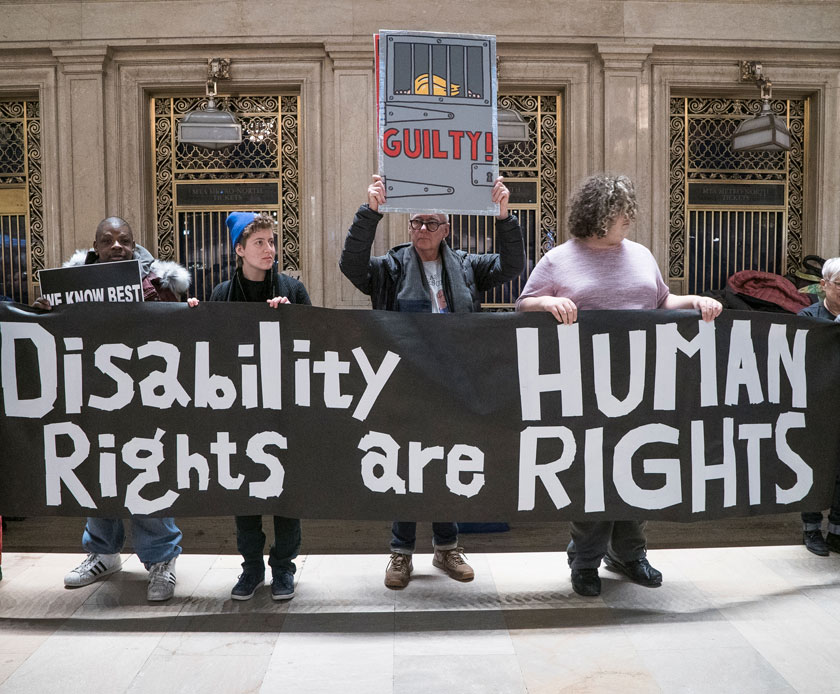
In a detailed analysis by the Center for American Progress, the potential impacts of the Heritage Foundation’s Project 2025 on disabled individuals have been laid bare. This sweeping policy agenda threatens to dismantle essential protections and services for the disability community, which comprises at least 28.7 percent of the U.S. population.

Elimination of Rights for Disabled Students

Project 2025 proposes structural changes that would severely impact disabled students. By moving the Office of Special Education and Rehabilitative Services to the Department of Health and Human Services, coordination of resources and knowledge would become challenging, undermining the promise of an equitable education for disabled students.

Major Cuts to Health Coverage

The project threatens to convert Medicaid funding into block grants, limiting states’ ability to provide essential home- and community-based services. Moreover, repealing Medicare’s ability to negotiate drug prices could lead to increased costs for millions of Americans.

Barriers to Employment

By eliminating key data collection and constraining the Equal Employment Opportunity Commission’s enforcement capabilities, Project 2025 could strip away critical protections for disabled workers. The plan also aims to eliminate the Office of Federal Contract Compliance Programs, further reducing oversight.

Restriction of Social Benefits

The automation of the U.S. Department of Veterans Affairs claims process and increased work requirements for SNAP could make it more difficult for disabled individuals to access needed benefits. This could result in significant hardship for those relying on these essential services.

Reduced Enforcement of the ADA

Project 2025’s proposal to discontinue disparate impact regulations would weaken the federal government’s ability to enforce civil rights protections under the ADA, potentially perpetuating discrimination in various sectors.

Disability justice initiative image

Conclusion

The Center for American Progress warns that Project 2025 could severely hinder disabled individuals’ ability to live independently and participate in their communities. The report underscores the necessity of maintaining and strengthening protections and services for this vulnerable population.

For more details on the implications of Project 2025, visit the original article.

Image credit: Getty/Sandy Huffaker

More Articles

Getting licensed or staying ahead in your career can be a journey—but it doesn’t have to be overwhelming. Grab your favorite coffee or tea, take a moment to relax, and browse through our articles. Whether you’re just starting out or renewing your expertise, we’ve got tips, insights, and advice to keep you moving forward. Here’s to your success—one sip and one step at a time!

The Future of Commercial Real Estate: Trends and Predictions for 2025

The commercial real estate market in 2024 was characterized by adaptation to new economic realities and shifting consumer preferences.

Significant Overhaul in Illinois Real Estate Laws: What’s Changing?

Illinois is set to implement significant changes to its real estate laws following the National Association of REALTORS® rule adjustments, aiming to enhance transparency and accountability in the real estate sector.

Emerging Markets Lead Real Estate’s Green Revolution

Emerging markets are stepping up to the plate, enhancing the green credentials of their real estate assets. This movement is not just a whisper in the wind but a significant stride towards a more sustainable future.

Green Building Trends Reshape U.S. Commercial Real Estate Investing

Institutional investors are encountering a myriad of challenges that are shaping their investment strategies. One of the most significant factors influencing these strategies is the rise in interest rates, which has become a central concern for investors seeking to maximize returns.

The Future of Virtual Reality: Market Growth and Trends 2025-2029

The global virtual reality (VR) market is poised for a significant leap, with projections indicating a growth of USD 133.17 billion from 2025 to 2029. This remarkable expansion is driven by rapid advancements in VR technologies and the integration of artificial intelligence (AI) and machine learning (ML).