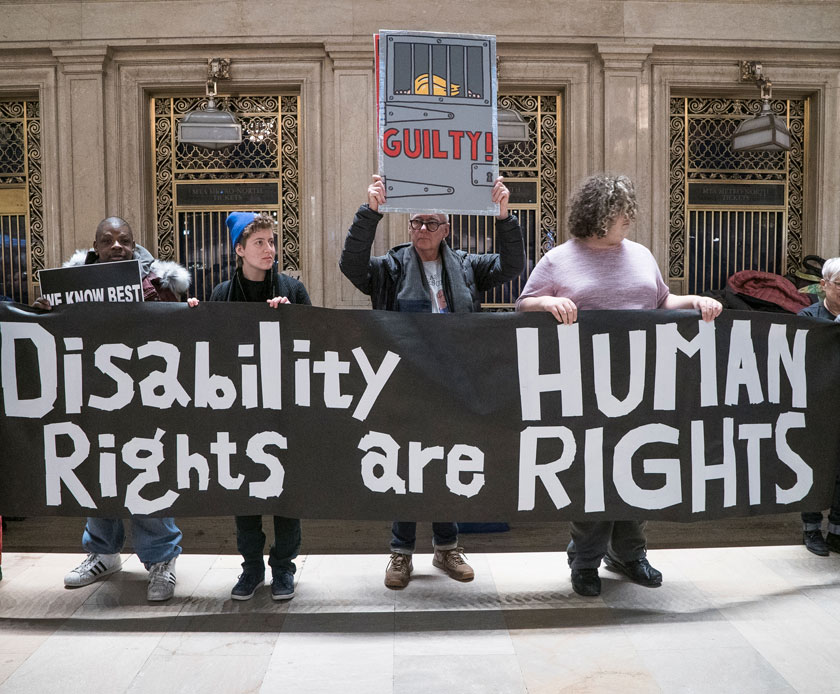
In a detailed analysis by the Center for American Progress, the potential impacts of the Heritage Foundation’s Project 2025 on disabled individuals have been laid bare. This sweeping policy agenda threatens to dismantle essential protections and services for the disability community, which comprises at least 28.7 percent of the U.S. population.
Elimination of Rights for Disabled Students
Project 2025 proposes structural changes that would severely impact disabled students. By moving the Office of Special Education and Rehabilitative Services to the Department of Health and Human Services, coordination of resources and knowledge would become challenging, undermining the promise of an equitable education for disabled students.
Major Cuts to Health Coverage
The project threatens to convert Medicaid funding into block grants, limiting states’ ability to provide essential home- and community-based services. Moreover, repealing Medicare’s ability to negotiate drug prices could lead to increased costs for millions of Americans.
Barriers to Employment
By eliminating key data collection and constraining the Equal Employment Opportunity Commission’s enforcement capabilities, Project 2025 could strip away critical protections for disabled workers. The plan also aims to eliminate the Office of Federal Contract Compliance Programs, further reducing oversight.
Restriction of Social Benefits
The automation of the U.S. Department of Veterans Affairs claims process and increased work requirements for SNAP could make it more difficult for disabled individuals to access needed benefits. This could result in significant hardship for those relying on these essential services.
Reduced Enforcement of the ADA
Project 2025’s proposal to discontinue disparate impact regulations would weaken the federal government’s ability to enforce civil rights protections under the ADA, potentially perpetuating discrimination in various sectors.
Conclusion
The Center for American Progress warns that Project 2025 could severely hinder disabled individuals’ ability to live independently and participate in their communities. The report underscores the necessity of maintaining and strengthening protections and services for this vulnerable population.
For more details on the implications of Project 2025, visit the original article.
Image credit: Getty/Sandy Huffaker
More Articles
Getting licensed or staying ahead in your career can be a journey—but it doesn’t have to be overwhelming. Grab your favorite coffee or tea, take a moment to relax, and browse through our articles. Whether you’re just starting out or renewing your expertise, we’ve got tips, insights, and advice to keep you moving forward. Here’s to your success—one sip and one step at a time!
Among the bustling cities, New York, NY, stands out, capturing 3.4% of the total online traffic. This is followed by Dallas, TX (2.7%), Chicago, IL (2.6%), Miami, FL (2.5%), and Tampa, FL (1.9%). These cities have emerged as hotspots for prospective homebuyers, reflecting a high level of interest and potential market growth.
In a significant move to bolster consumer protections in the mortgage sector, Texas has enacted new regulations aimed at enhancing transparency and accountability among mortgage lenders and servicers.
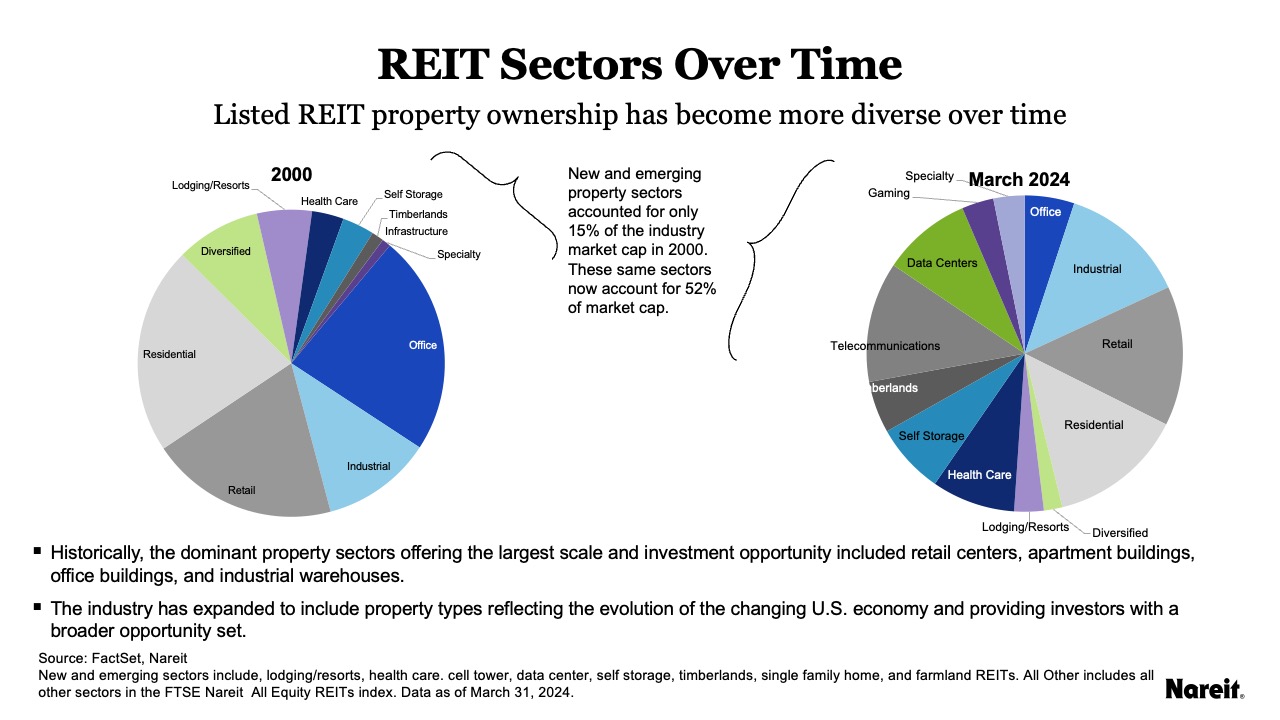
In the world of retirement planning, the integration of underrepresented asset classes into defined contribution (DC) plans is gaining momentum. For decades, defined benefit (DB) pension plans have successfully leveraged real estate within their investment portfolios. Now, DC plans are following suit, largely through the use of Real Estate Investment Trusts (REITs).
REITs have democratized real estate investment, allowing individuals to invest in diverse property portfolios with the same ease as purchasing stocks. The beauty of REITs lies in their ability to transform traditionally illiquid assets into liquid ones, offering investors both liquidity and diversification.
As economic uncertainty continues to cast a shadow over global markets, investors are increasingly seeking strategies to safeguard and grow their wealth.
In a bold move set to transform the real estate sector, EstateSlice NFT is leveraging blockchain technology to break down traditional barriers to property investment.