In a detailed analysis by the Center for American Progress, the potential impacts of the Heritage Foundation’s Project 2025 on disabled individuals have been laid bare. This sweeping policy agenda threatens to dismantle essential protections and services for the disability community, which comprises at least 28.7 percent of the U.S. population.
Elimination of Rights for Disabled Students
Project 2025 proposes structural changes that would severely impact disabled students. By moving the Office of Special Education and Rehabilitative Services to the Department of Health and Human Services, coordination of resources and knowledge would become challenging, undermining the promise of an equitable education for disabled students.
Major Cuts to Health Coverage
The project threatens to convert Medicaid funding into block grants, limiting states’ ability to provide essential home- and community-based services. Moreover, repealing Medicare’s ability to negotiate drug prices could lead to increased costs for millions of Americans.
Barriers to Employment
By eliminating key data collection and constraining the Equal Employment Opportunity Commission’s enforcement capabilities, Project 2025 could strip away critical protections for disabled workers. The plan also aims to eliminate the Office of Federal Contract Compliance Programs, further reducing oversight.
Restriction of Social Benefits
The automation of the U.S. Department of Veterans Affairs claims process and increased work requirements for SNAP could make it more difficult for disabled individuals to access needed benefits. This could result in significant hardship for those relying on these essential services.
Reduced Enforcement of the ADA
Project 2025’s proposal to discontinue disparate impact regulations would weaken the federal government’s ability to enforce civil rights protections under the ADA, potentially perpetuating discrimination in various sectors.
Conclusion
The Center for American Progress warns that Project 2025 could severely hinder disabled individuals’ ability to live independently and participate in their communities. The report underscores the necessity of maintaining and strengthening protections and services for this vulnerable population.
For more details on the implications of Project 2025, visit the original article.
Image credit: Getty/Sandy Huffaker
More Articles
Getting licensed or staying ahead in your career can be a journey—but it doesn’t have to be overwhelming. Grab your favorite coffee or tea, take a moment to relax, and browse through our articles. Whether you’re just starting out or renewing your expertise, we’ve got tips, insights, and advice to keep you moving forward. Here’s to your success—one sip and one step at a time!
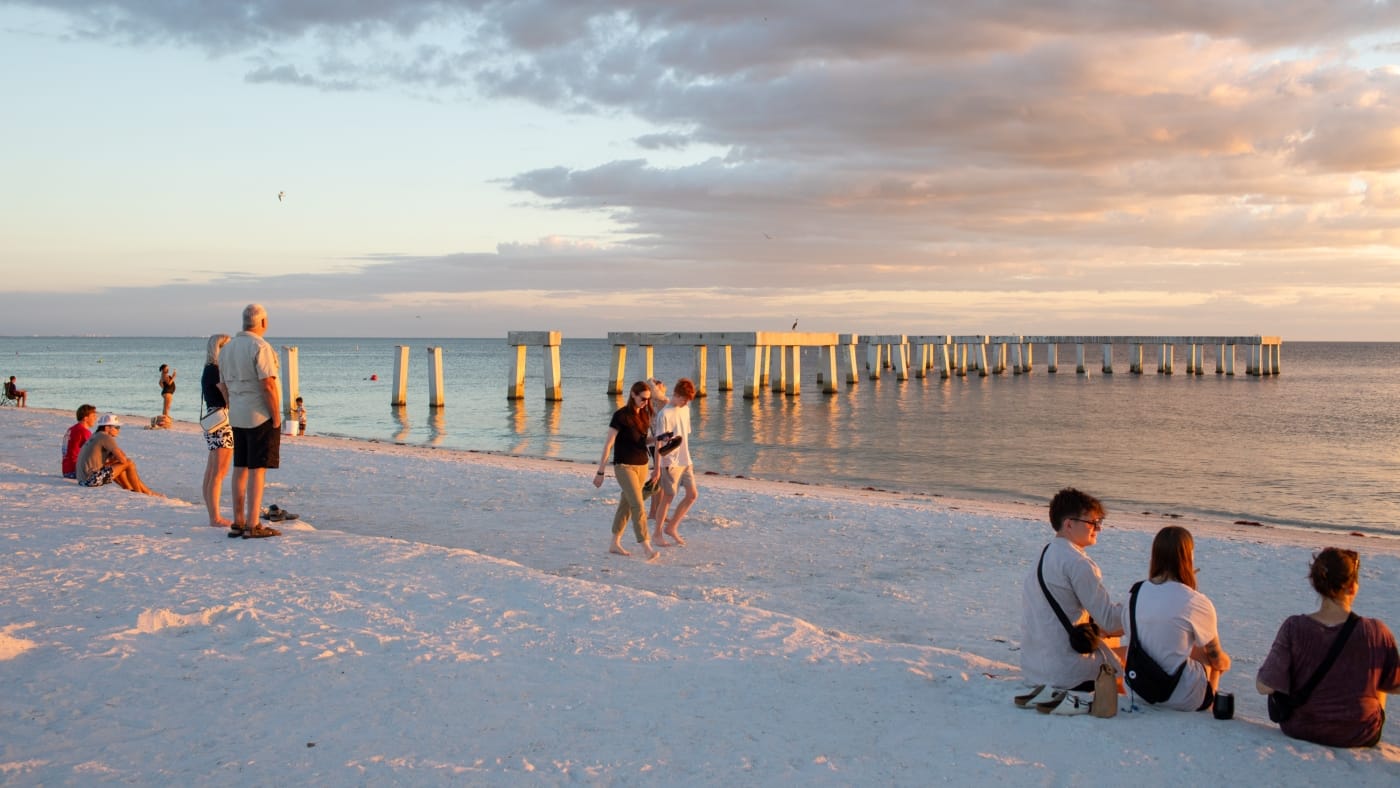
Fort Myers Beach is becoming the front line of a new Florida—one shaped by hurricane devastation, soaring insurance premiums, and rapid gentrification. Three years after Hurricane Ian, residents are still battling massive rebuilding costs and insurance bills that now exceed $5,700 a year on average, with flood insurance reaching $10,000 for some families. Long-time locals, small businesses, and service workers are being priced out as wealthy investors move in, transforming once-affordable coastal communities. Real estate professionals warn that foreclosures may rise if economic pressures continue, signaling a pivotal moment for Florida’s housing market and the professionals who serve it.
Economic uncertainty, AI disruption, slowing population growth, and rising portfolio risk are reshaping commercial real estate heading into 2026. A new report unveiled at NAR NXT highlights the forces that will reward informed professionals — and challenge those who aren’t prepared. From fiscal policy and shifting capital flows to tech transformation and housing shortages, the landscape is evolving fast. Cameron Academy breaks down the key issues so real estate, mortgage, finance, and insurance professionals can stay ahead of the curve.
A sudden federal shutdown of FEMA’s BRIC resiliency program has left cities and commercial property owners scrambling, exposing billions in real estate to rising climate threats. With nearly a billion dollars in mitigation funding clawed back and extreme weather intensifying, insurance premiums are expected to surge and coverage may shrink — placing new pressure on markets like Florida and New York.
A new Florida Senate bill aims to stop cities and counties from blocking residential developments over vague “compatibility” concerns. Supporters say the measure would speed up homebuilding and ease housing shortages, while opponents argue it strips communities of essential oversight and could accelerate growth without proper planning. The proposal could reshape development timelines and land-use decisions statewide, making it a major issue for real estate professionals to watch.
Cape Coral–Fort Myers has officially moved into buyer-friendly territory, with homes now sitting a median 119 days on the market—far longer than both the Florida and U.S. averages. Rising inventory, a 36.9 percent price‑reduction rate, and slower absorption compared to accumulated supply are giving buyers more leverage and time to negotiate, signaling a meaningful reset in this once‑fast‑moving Florida market.
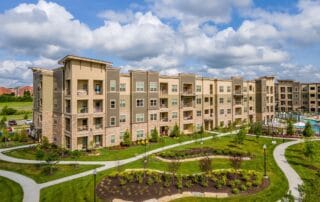
Kansas City’s commercial real estate sector is finally turning a corner after several years of sluggish activity. Retail is leading the rebound, while multifamily and industrial properties are gaining traction as pricing stabilizes and buyer confidence returns. A standout 2025 transaction—the sale of the 380‑unit Cyan Southcreek community—signals that capital is flowing back into the market. With bid‑ask spreads tightening and investor optimism rising, Kansas City is entering a period of renewed opportunity for real estate professionals and investors alike.

 Florida’s Middle Class Is Being Squeezed Out: Insurance Costs, Rebuilding Struggles, and a Changing Coastline Gallery