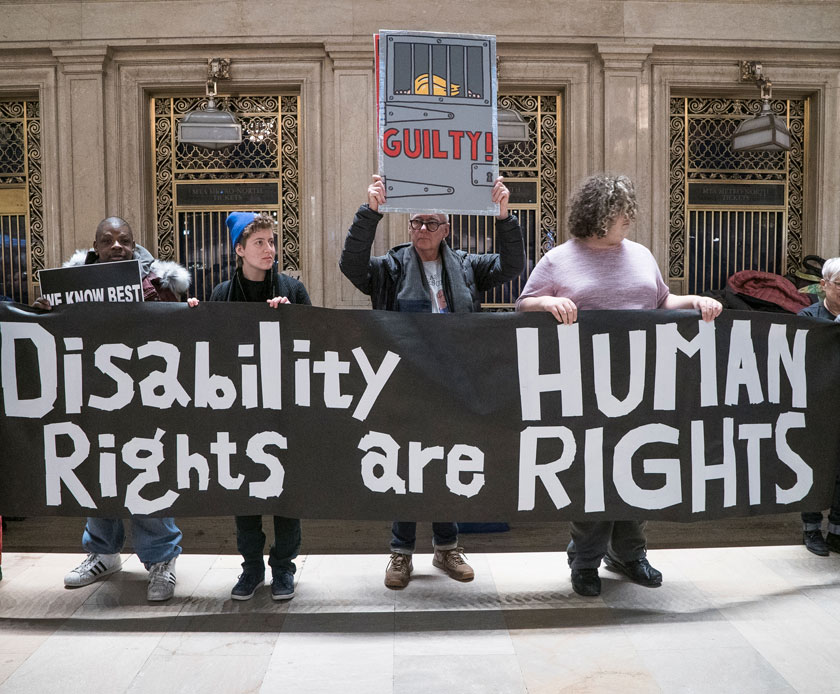
In a detailed analysis by the Center for American Progress, the potential impacts of the Heritage Foundation’s Project 2025 on disabled individuals have been laid bare. This sweeping policy agenda threatens to dismantle essential protections and services for the disability community, which comprises at least 28.7 percent of the U.S. population.

Elimination of Rights for Disabled Students

Project 2025 proposes structural changes that would severely impact disabled students. By moving the Office of Special Education and Rehabilitative Services to the Department of Health and Human Services, coordination of resources and knowledge would become challenging, undermining the promise of an equitable education for disabled students.

Major Cuts to Health Coverage

The project threatens to convert Medicaid funding into block grants, limiting states’ ability to provide essential home- and community-based services. Moreover, repealing Medicare’s ability to negotiate drug prices could lead to increased costs for millions of Americans.

Barriers to Employment

By eliminating key data collection and constraining the Equal Employment Opportunity Commission’s enforcement capabilities, Project 2025 could strip away critical protections for disabled workers. The plan also aims to eliminate the Office of Federal Contract Compliance Programs, further reducing oversight.

Restriction of Social Benefits

The automation of the U.S. Department of Veterans Affairs claims process and increased work requirements for SNAP could make it more difficult for disabled individuals to access needed benefits. This could result in significant hardship for those relying on these essential services.

Reduced Enforcement of the ADA

Project 2025’s proposal to discontinue disparate impact regulations would weaken the federal government’s ability to enforce civil rights protections under the ADA, potentially perpetuating discrimination in various sectors.

Disability justice initiative image

Conclusion

The Center for American Progress warns that Project 2025 could severely hinder disabled individuals’ ability to live independently and participate in their communities. The report underscores the necessity of maintaining and strengthening protections and services for this vulnerable population.

For more details on the implications of Project 2025, visit the original article.

Image credit: Getty/Sandy Huffaker

More Articles

Getting licensed or staying ahead in your career can be a journey—but it doesn’t have to be overwhelming. Grab your favorite coffee or tea, take a moment to relax, and browse through our articles. Whether you’re just starting out or renewing your expertise, we’ve got tips, insights, and advice to keep you moving forward. Here’s to your success—one sip and one step at a time!

5 Free Resources to Excel in the Digital SAT Era

As the SAT exam transitions into a fully digital format, the need for accessible and effective study tools has become paramount for students.

By |September 3, 2025|Categories: Article, Education, Test Preparation|Tags: , |0 Comments

4 Best Online Real Estate Classes in Connecticut for 2025

For aspiring real estate agents in Connecticut, the path to success begins with the right education. HousingWire's recent article offers a comprehensive guide to the top online courses available. To become a licensed real estate agent in Connecticut, candidates must complete 60 hours of pre-licensing education, but the journey doesn't stop there.

By |September 3, 2025|Categories: Article, Education, Real Estate|Tags: , |0 Comments

Top 5 Arizona Real Estate Schools for 2025: Tailored for Success

For those ready to embark on a real estate career in Arizona, these schools offer the education and support needed to succeed. Each institution provides a unique approach, ensuring that there is a perfect fit for every aspiring agent.

Top 10 Business Schools Leading the Future of Education in 2025

Ten business schools are making significant strides in 2025 by integrating cutting-edge technologies, focusing on sustainability, and expanding their global footprints.