The Long Game: How Florida Realtors® Quietly Built a Real Estate Tech Empire
In an industry where shiny new platforms come and go faster than a trending listing on a busy Saturday, Florida Realtors® has defied the rhythm. While many real estate tech companies fade within a few years, Florida’s largest trade association has spent decades crafting a member‑focused, deeply integrated tech ecosystem that now supports more than 700,000 real estate professionals across North America.
As the organization approaches 25 years of Tech Helpline and 15 years of Form Simplicity—plus the recent launch of Sabal Sign—it’s clear that this isn’t a tale of disruption for headlines. It’s a story of patience, vision, and a relentless commitment to helping real estate professionals work better, faster, and more affordably.
“We’re not new to this space—we were early.”
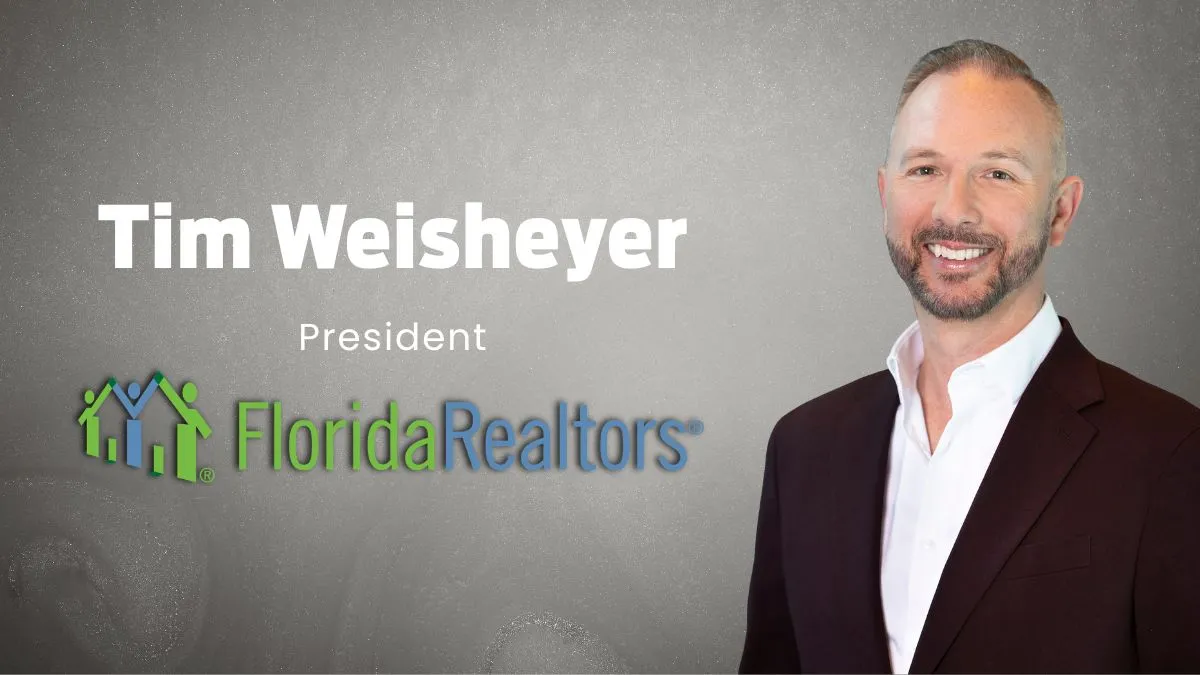
That’s how Tim Weisheyer, 2025 President of Florida Realtors® and CEO of Dream Builders Realty, describes the organization’s tech evolution. Long before proptech became the buzzword of Silicon Valley, Florida Realtors was quietly building practical tools that solved real, everyday challenges for agents and brokers.
Tech Helpline began as a simple lifeline. Form Simplicity became a trusted transaction staple. And Sabal Sign now rounds out an in-house, end‑to‑end digital workflow made exclusively for real estate.
While many modern tools chase acquisition, valuations, or rapid scale, Florida Realtors’ strategy remains refreshingly simple: listen to what members need—and build exactly that.
Why Their Model Works When Others Fail
Every year, new real estate tech vendors rise and vanish. Companies consolidate, pivot, disappear, or prioritize profits over the professionals they claim to serve. Florida Realtors stands firm because its mission isn’t revenue—it’s members first.
With over 200,000 members in Florida alone, the association holds something most startups lack: trust, scale, and stability. Every platform is created with affordability, long‑term value, and ease of use in mind.
This is why Form Simplicity remains fully included for members, with only a modest upgrade for advanced features. It’s why Sabal Sign can evolve rapidly without investor pressure. And it’s why thousands of small‑business brokers no longer spend hours comparing tools—their essentials are already built in.
For Realtors®, every hour spent evaluating tech is an hour away from clients. Florida Realtors solves that problem for the entire industry—so professionals can focus on relationships and closings.
A Future Built on Innovation and Independence
With the arrival of the 2025 Innovation Fund, Florida Realtors doubled down on leading—not following—industry tech innovation. This fund allows the organization to acquire, build, or invest in new tools that benefit members directly while keeping dues low.
Outside investors would love to buy into these platforms. Florida Realtors refuses—because independence keeps the focus on stability and member-driven progress, not market hype.
What’s Next for the Ecosystem?
The goal ahead is crystal clear: expand its end‑to‑end transaction framework, integrate more tools into Form Simplicity, and deliver a seamless, transparent experience for both consumers and professionals. Multiple new technologies are under review—and some may become future industry essentials.
And if a tool doesn’t exist yet? They’ll build it.
Why This Matters for Today’s Real Estate Pros
For both seasoned agents and new licensees—along with future professionals preparing for their careers—the message is simple: your success is being engineered behind the scenes. Tools like Form Simplicity and Sabal Sign aren’t just conveniences; they’re the digital infrastructure that keeps modern transactions running smoothly.
And for those entering the field or expanding their credentials, understanding this ecosystem is essential. At Cameron Academy, we prepare future professionals to excel in this innovative, fast‑advancing environment. Florida’s real estate market rewards those who stay educated, adaptable, and connected.
Getting licensed or staying ahead in your career can be a journey—but it doesn’t have to be overwhelming. Grab your favorite coffee or tea, take a moment to relax, and browse through our articles. Whether you’re just starting out or renewing your expertise, we’ve got tips, insights, and advice to keep you moving forward. Here’s to your success—one sip and one step at a time!
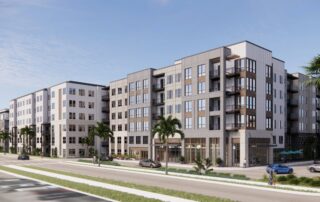
Landmark Properties has officially begun construction on The Mark Tampa, a six‑story luxury student community featuring over 800 beds, rooftop amenities, study spaces, retail, and modern unit layouts. Set to open before the 2027–2028 school year, the project signals strong investor confidence in North Tampa’s booming student housing market.
Florida’s property and auto insurance crisis is intensifying, setting the stage for a major political showdown ahead of the 2026 elections. Republicans argue recent reforms are finally stabilizing the market, while Democrats insist families are being crushed by soaring premiums and can’t wait for relief. With homeowners, condo associations, and insurers all feeling the pressure, lawmakers are preparing for one of the most consequential legislative battles in years.
Markets are betting heavily on a Federal Reserve rate cut in December, but that doesn’t guarantee lower mortgage rates. Even with an 85% chance of a cut priced in, mortgage rates move more with the 10‑year Treasury than the Fed itself — and recent history shows rates can rise even when the Fed eases. Today’s 6.43% average rate is the lowest in over a year, but still unpredictable, making financial readiness more important than trying to time the market.
Grand Junction is experiencing a powerful commercial real estate upswing, with 151 commercial units closed so far in 2025—a 36% jump from last year. Building permits are also up 23%, signaling expanding development momentum. Brokers say interest from national chains is accelerating the city’s evolution, bringing jobs, investment, and long‑term economic potential to Colorado’s Western Slope.
Nashville continues its rise as one of the nation’s most attractive real estate markets, landing the #6 spot in the Emerging Trends in Real Estate 2026 report from PwC and ULI. With strong demographic momentum, business expansion, and a development pipeline drawing national eyes, the city stands out amid shifting economic conditions. The report highlights fast‑growing sectors such as data centers, senior housing, and evolving office dynamics—offering real estate professionals valuable insight into where opportunities are emerging next.
Canada’s commercial real estate sector continues to evolve rapidly, with new data revealing major transactions, shifting investment patterns, and emerging economic signals across the country. From resilient retail spending to cooling construction and regional standouts like Montreal and the Prairies, this week’s CRE pulse—powered by Altus Group’s research team—gives real estate, mortgage, and finance professionals a sharp snapshot of the market forces to watch as 2025 winds down.