The Long Game: How Florida Realtors® Quietly Built a Real Estate Tech Empire
In an industry where shiny new platforms come and go faster than a trending listing on a busy Saturday, Florida Realtors® has defied the rhythm. While many real estate tech companies fade within a few years, Florida’s largest trade association has spent decades crafting a member‑focused, deeply integrated tech ecosystem that now supports more than 700,000 real estate professionals across North America.
As the organization approaches 25 years of Tech Helpline and 15 years of Form Simplicity—plus the recent launch of Sabal Sign—it’s clear that this isn’t a tale of disruption for headlines. It’s a story of patience, vision, and a relentless commitment to helping real estate professionals work better, faster, and more affordably.
“We’re not new to this space—we were early.”
That’s how Tim Weisheyer, 2025 President of Florida Realtors® and CEO of Dream Builders Realty, describes the organization’s tech evolution. Long before proptech became the buzzword of Silicon Valley, Florida Realtors was quietly building practical tools that solved real, everyday challenges for agents and brokers.
Tech Helpline began as a simple lifeline. Form Simplicity became a trusted transaction staple. And Sabal Sign now rounds out an in-house, end‑to‑end digital workflow made exclusively for real estate.
While many modern tools chase acquisition, valuations, or rapid scale, Florida Realtors’ strategy remains refreshingly simple: listen to what members need—and build exactly that.
Why Their Model Works When Others Fail
Every year, new real estate tech vendors rise and vanish. Companies consolidate, pivot, disappear, or prioritize profits over the professionals they claim to serve. Florida Realtors stands firm because its mission isn’t revenue—it’s members first.
With over 200,000 members in Florida alone, the association holds something most startups lack: trust, scale, and stability. Every platform is created with affordability, long‑term value, and ease of use in mind.
This is why Form Simplicity remains fully included for members, with only a modest upgrade for advanced features. It’s why Sabal Sign can evolve rapidly without investor pressure. And it’s why thousands of small‑business brokers no longer spend hours comparing tools—their essentials are already built in.
For Realtors®, every hour spent evaluating tech is an hour away from clients. Florida Realtors solves that problem for the entire industry—so professionals can focus on relationships and closings.
A Future Built on Innovation and Independence
With the arrival of the 2025 Innovation Fund, Florida Realtors doubled down on leading—not following—industry tech innovation. This fund allows the organization to acquire, build, or invest in new tools that benefit members directly while keeping dues low.
Outside investors would love to buy into these platforms. Florida Realtors refuses—because independence keeps the focus on stability and member-driven progress, not market hype.
What’s Next for the Ecosystem?
The goal ahead is crystal clear: expand its end‑to‑end transaction framework, integrate more tools into Form Simplicity, and deliver a seamless, transparent experience for both consumers and professionals. Multiple new technologies are under review—and some may become future industry essentials.
And if a tool doesn’t exist yet? They’ll build it.
Why This Matters for Today’s Real Estate Pros
For both seasoned agents and new licensees—along with future professionals preparing for their careers—the message is simple: your success is being engineered behind the scenes. Tools like Form Simplicity and Sabal Sign aren’t just conveniences; they’re the digital infrastructure that keeps modern transactions running smoothly.
And for those entering the field or expanding their credentials, understanding this ecosystem is essential. At Cameron Academy, we prepare future professionals to excel in this innovative, fast‑advancing environment. Florida’s real estate market rewards those who stay educated, adaptable, and connected.
Getting licensed or staying ahead in your career can be a journey—but it doesn’t have to be overwhelming. Grab your favorite coffee or tea, take a moment to relax, and browse through our articles. Whether you’re just starting out or renewing your expertise, we’ve got tips, insights, and advice to keep you moving forward. Here’s to your success—one sip and one step at a time!
Florida’s property insurance system is once again spiraling as new “market-friendly” reforms fail to stabilize rising premiums, insurer failures, and mounting homeowner frustration. Despite aggressive efforts to shift policyholders from Citizens to private carriers, many of the new insurers stepping in are tied to past insolvencies, questionable ratings, and political influence. For real estate, mortgage, and insurance professionals, these systemic cracks are reshaping closings, valuations, and risk across the state—making it essential to stay ahead of ongoing regulatory and market shifts.
Commercial real estate is heading into a turning‑point year in 2026, driven by economic uncertainty, AI‑powered transformation, shifting demographics and rising portfolio risk. Insights from The Counselors of Real Estate highlight the top issues shaping the year ahead—from fiscal pressures and capital constraints to housing shortages, global volatility and the future of data‑driven decision‑making. For real estate, mortgage, insurance and finance professionals, these trends offer a clear roadmap for staying competitive and preparing for the next wave of industry change.
AI-powered tools, fraud protection systems, and smarter MLS integrations are sweeping through the real estate industry as major organizations adopt new technologies. From RealReports hitting its 50th partnership to BeachesMLS unveiling instant AI home visualizations and Doorify boosting security, professionals are seeing rapid advancements that promise sharper insights, safer transactions, and more efficient rental workflows. This evolving tech landscape underscores the importance of staying educated and adaptable — especially for agents preparing for a competitive, AI-enhanced 2025 market.
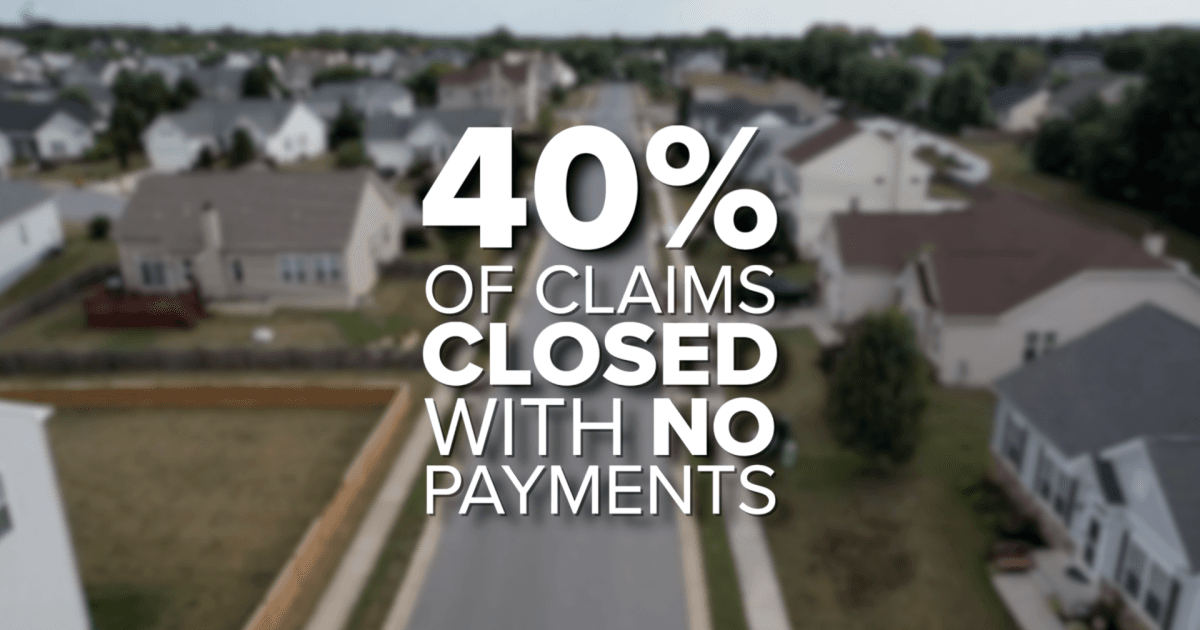
Florida homeowners are being hit with the highest insurance premiums in the nation, averaging $5,838 per year—nearly double the U.S. average. As costs skyrocket, many residents are reporting denied claims, non‑renewals, and impossible financial choices. New investigations reveal that more than 40 percent of claims in Florida close with no payment, while lawmakers push for transparency, fair pricing, and meaningful reform to stabilize a market that’s rapidly becoming unsustainable.
Vend Park, a Boston-based proptech company, has raised $17.5 million in Series A funding to reinvent parking as a high-performing commercial real estate asset. By replacing outdated operator–vendor systems with a unified AI-driven platform, Vend Park is helping major property owners boost NOI by up to 30%, slash operating costs, and modernize the tenant experience. As the company expands from three to fifteen cities and partners with giants like Nuveen and Jamestown, its technology highlights a major shift: real estate professionals must now understand AI, automation, and digital infrastructure to stay competitive.
Keller Williams Realty Atlanta Partners has formed an exclusive partnership with Southeast Mortgage, Georgia’s largest non‑bank mortgage lender. The collaboration promises faster, tech‑enhanced transactions for both agents and homebuyers, combining real estate expertise with streamlined mortgage services. This move reflects a growing trend toward integrated real‑estate ecosystems designed to reduce delays, boost transparency, and modernize the homebuying experience.