The Mark Tampa Breaks Ground: A New Era of Luxury Student Living Near USF
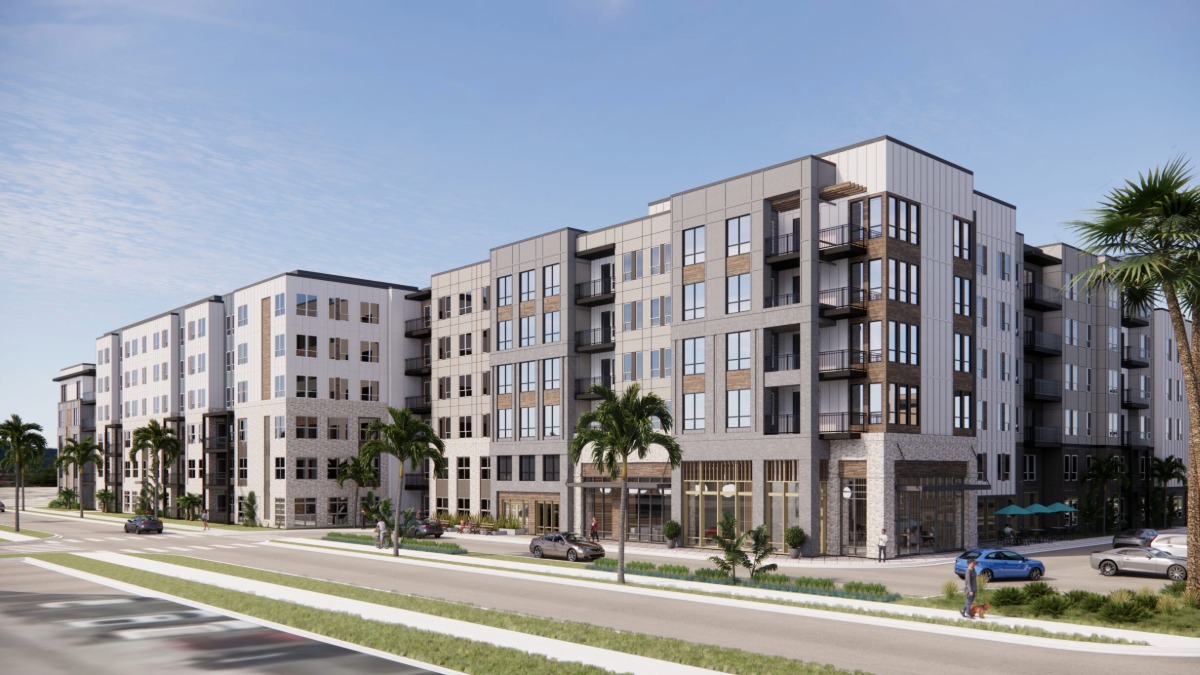
Modern student housing rendering

A sleek new student living experience is officially on the rise near the University of South Florida. Landmark Properties has broken ground on The Mark Tampa, a six‑story luxury student housing community packed with amenities and more than 800 beds.

Located on University Square Drive, The Mark Tampa will feature 215 residential units ranging from modern studios to spacious five‑bedroom layouts. With more than 270,500 square feet of residential space and a bold list of next‑generation amenities, the development aims to redefine student housing in North Tampa.

What’s Coming to The Mark Tampa

Landmark Properties is equipping this community with amenities typically seen in high‑end urban residential towers, including:

• Rooftop pool deck
• Fitness center
• Jumbotron
• Sports simulator
• Sauna and cold plunge
• Computer lab
• On‑site parking and ground‑floor retail

The project is expected to open before the 2027–2028 school year.

During the groundbreaking event, Landmark also made a $10,000 donation to The Lions World Vision Institute, a Tampa nonprofit focused on restoring sight worldwide. A small gesture with a truly powerful impact.

Why This Development Matters

The USF area continues to attract major developers and investors, driven by growing student demand for modern housing options with walkability, amenities, and dedicated study spaces. A project of this scale signals strong confidence in the future of North Tampa’s growth—even in a high‑cost construction era.

For real estate professionals, this development reinforces that Tampa’s student housing and mixed‑use markets remain active, competitive, and full of long‑term opportunity.

If you’re inspired by projects like this and want to be part of the industry shaping Florida’s communities, Cameron Academy can help you earn or upgrade your Florida real estate license. Prepare to work alongside developers, investors, and major housing innovators across the state.

Stay Connected With the Source

This story originates from Tampa Bay Business & Wealth (TBBW). Explore more of their reporting and business insights using the links below.


More Articles

Getting licensed or staying ahead in your career can be a journey—but it doesn’t have to be overwhelming. Grab your favorite coffee or tea, take a moment to relax, and browse through our articles. Whether you’re just starting out or renewing your expertise, we’ve got tips, insights, and advice to keep you moving forward. Here’s to your success—one sip and one step at a time!

Illinois Launches 2026 With 200+ New Laws Reshaping Work, Healthcare, and Education

Illinois kicked off the new year with more than 200 laws taking effect, impacting professionals across healthcare, insurance, real estate, education, and other regulated industries. From major healthcare coverage expansions to new AI hiring limits, enhanced worker protections, school safety reforms, and upgraded public‑safety standards, nearly every sector will see meaningful changes. As compliance expectations grow, institutions like Cameron Academy help professionals stay prepared and career‑ready in an evolving regulatory landscape.

Why Distressed Properties Could Become the Top Commercial Real Estate Opportunity of 2026

As commercial real estate moves beyond two turbulent years, 2026 is emerging as a year of growth for professionals who know where to look. According to First American economist Xander Snyder, the biggest wins may come not from booming sectors but from distressed properties—especially those with short‑term issues that can recover with creative financing, recapitalization, or strategic repositioning. Multifamily distress, selective office restructuring, and the rise of non‑QM lending are setting the stage for brokers, investors, and new licensees to capitalize on flexible deal‑making and evolving market conditions.

2026 Becomes America’s Housing Turning Point

Housing is taking over the national spotlight in 2026, with federal leaders, big‑city mayors, and market professionals all zeroing in on affordability, supply, and sweeping policy changes. From President Trump’s promised reform agenda to looming Section 8 funding risks and aggressive city‑level zoning overhauls, the year is shaping up to be one of the most consequential periods for real estate and related licensed professions. For agents, mortgage brokers, insurance specialists, and anyone tied to the housing ecosystem, rapid shifts in policy and market conditions make 2026 a year where preparation, education, and adaptability will be essential.

When a Familiar Voice Becomes a Perfect Fake: AI Fraud Strikes Real Estate Finance

A lender wires $4.2 million after receiving what sounded like a routine call from a borrower’s attorney—same voice, same tone, same mannerisms. By morning, the truth emerges: the email was hacked, the phone call was an AI‑generated voice clone, and the money is gone. As scammers use AI to mimic voices, emails, and documents with startling accuracy, real estate finance has become a prime target. The industry’s growing reliance on AI brings efficiency, but also dangerous new vulnerabilities, pushing regulators, insurers, and professionals to rethink verification, security, and trust itself.

Americans Are Moving Differently — And It’s Reshaping Commercial Real Estate

A new wave of migration is changing the shape of commercial real estate as Americans trade costly metros for more affordable, lifestyle-friendly regions. Smaller Southern and mid‑Atlantic markets are gaining momentum, while pandemic boom states like Florida, Texas, and Arizona are now leveling off. These shifts are influencing demand for housing, retail, office parks, warehouses, and even self‑storage, signaling both fresh opportunities and heightened caution for investors and real estate professionals.

Florida May Slash or Eliminate Property Taxes in 2026, Sparking Hope and Alarm Across the State

Florida is gearing up for a potential overhaul of its property tax system, with lawmakers pushing proposals that could dramatically reduce or even eliminate property taxes by 2026. Homeowners facing rising bills welcome the idea, but city and county leaders warn it could cripple essential services like police, fire response, and local infrastructure. As political tensions escalate — including accusations of overspending and sharp pushback from local officials — real estate professionals should prepare for major market impacts if reforms move forward.