The Mark Tampa Breaks Ground: A New Era of Luxury Student Living Near USF
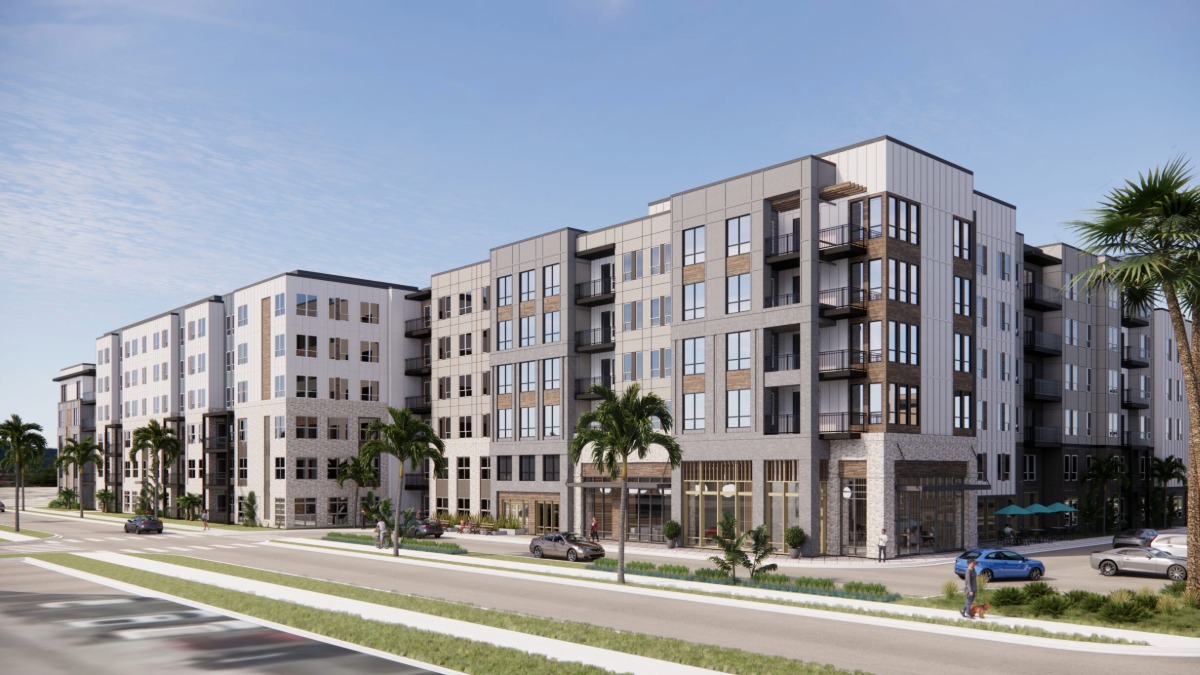
Modern student housing rendering

A sleek new student living experience is officially on the rise near the University of South Florida. Landmark Properties has broken ground on The Mark Tampa, a six‑story luxury student housing community packed with amenities and more than 800 beds.

Located on University Square Drive, The Mark Tampa will feature 215 residential units ranging from modern studios to spacious five‑bedroom layouts. With more than 270,500 square feet of residential space and a bold list of next‑generation amenities, the development aims to redefine student housing in North Tampa.

What’s Coming to The Mark Tampa

Landmark Properties is equipping this community with amenities typically seen in high‑end urban residential towers, including:

• Rooftop pool deck
• Fitness center
• Jumbotron
• Sports simulator
• Sauna and cold plunge
• Computer lab
• On‑site parking and ground‑floor retail

The project is expected to open before the 2027–2028 school year.

During the groundbreaking event, Landmark also made a $10,000 donation to The Lions World Vision Institute, a Tampa nonprofit focused on restoring sight worldwide. A small gesture with a truly powerful impact.

Why This Development Matters

The USF area continues to attract major developers and investors, driven by growing student demand for modern housing options with walkability, amenities, and dedicated study spaces. A project of this scale signals strong confidence in the future of North Tampa’s growth—even in a high‑cost construction era.

For real estate professionals, this development reinforces that Tampa’s student housing and mixed‑use markets remain active, competitive, and full of long‑term opportunity.

If you’re inspired by projects like this and want to be part of the industry shaping Florida’s communities, Cameron Academy can help you earn or upgrade your Florida real estate license. Prepare to work alongside developers, investors, and major housing innovators across the state.

Stay Connected With the Source

This story originates from Tampa Bay Business & Wealth (TBBW). Explore more of their reporting and business insights using the links below.

More Articles

Getting licensed or staying ahead in your career can be a journey—but it doesn’t have to be overwhelming. Grab your favorite coffee or tea, take a moment to relax, and browse through our articles. Whether you’re just starting out or renewing your expertise, we’ve got tips, insights, and advice to keep you moving forward. Here’s to your success—one sip and one step at a time!

How Post‑Election Power Shifts Are Setting Up a New Real Estate Landscape for 2026

Local elections across major U.S. cities have kicked off a wave of policy changes that could reshape development costs, rental income, and investment strategies heading into 2026. From NYC’s aggressive tenant‑protection agenda to Chicago’s sustainability push, Miami’s political uncertainty, and Boston’s steady zoning overhaul, the post‑election environment is redefining how real estate professionals, investors, and lenders should prepare for the year ahead.

The Surge of AI Insurance Exclusions Reshaping Professional Liability in 2025

Insurance carriers are rapidly rolling out AI-related exclusions that strip coverage from claims involving AI tools, automated decision‑making, or generative platforms like ChatGPT and Midjourney. With firms like Berkley and Hamilton introducing sweeping “absolute” and generative‑AI‑specific exclusions, professionals in real estate, mortgage, insurance, and finance now face new liability gaps. As AI becomes unavoidable in everyday work, understanding these exclusions is essential for protecting your career and staying compliant in a fast‑changing risk environment.

Venn Lands $52M to Rebuild the Renting Experience — A Shift Real Estate Pros Can’t Ignore

Proptech startup Venn has raised a $52 million Series B to unify the entire renting lifecycle into one intelligent platform, replacing over a dozen traditional systems and serving more than half a million tenants. As AI‑powered tools like Venn rapidly reshape property operations, real estate professionals — especially in fast‑moving markets like Florida — will need stronger education and tech‑savvy skills to stay competitive.

Rising Insurance Costs Push Florida’s Middle Class to the Brink

Florida’s Gulf Coast is undergoing a dramatic transformation as soaring insurance premiums, costly construction requirements, and the long shadow of Hurricane Ian force middle‑class families, workers, and longtime residents out of communities they once anchored. With premiums topping $5,700 a year — and many paying far more — Realtors warn of looming foreclosures, renters face steep increases, and entire neighborhoods are being rebuilt for wealthier newcomers. This mounting crisis is reshaping the state’s real estate landscape and leaving professionals scrambling to adapt.

Top Commercial Real Estate Issues to Watch in 2026

Economic uncertainty, rapid tech advances and shifting population patterns are setting the stage for a pivotal year in commercial real estate. New findings from the Counselors of Real Estate, presented at NAR NXT, outline ten major forces reshaping strategy, investment and opportunity in 2026—from policy impacts and portfolio risk to AI adoption, capital flow changes, housing attainability and demographic shifts. This outlook offers clarity and caution for professionals across real estate, mortgage, finance and related fields.

New Reforms, Familiar Risks: Why Florida’s Home Insurance Market Still Isn’t Stabilizing

Florida’s home insurance crisis is back in the spotlight as new reforms appear to be repeating decades‑old mistakes. Despite efforts to depopulate Citizens and attract private insurers, many of the companies taking over policies have ties to past insolvencies. Critics say weak oversight, generous ratings, and political influence are allowing unstable insurers to thrive while homeowners pay more for less protection. Experts warn that without transparent ratings, real accountability, and unified regulation, Florida’s insurance market will remain vulnerable—putting property values, lending, and the broader real estate industry at risk.