The Metaverse: A New Frontier in Real Estate

As the virtual world continues to expand, the metaverse has emerged as a transformative force in the real estate industry. This immersive 3D iteration of the internet offers shared virtual environments where avatars can engage in a myriad of activities, including socializing, gaming, and shopping. Now, the metaverse is carving out a niche in real estate, raising the question: are there buyers for these virtual properties?

According to an analysis by ExpertMarketResearch.com, the metaverse real estate market was valued at $1.69 billion in 2023. With a projected compound annual growth rate of 48.6%, it is expected to reach a staggering $59.38 billion by 2032. This growth has been fueled by shifts in cryptocurrency interests, which have significantly impacted virtual land prices.

Despite the allure of the metaverse, it’s not without its challenges. The market is subject to the cyclical nature of cryptocurrencies, with prices fluctuating wildly. For instance, Snoop Dogg’s virtual estate saw a dramatic depreciation, losing 94% of its value by mid-2023. The average cost of a parcel of virtual land plummeted from about $18,000 in January 2022 to less than $2,000 by mid-2023.

However, the foundation of many blockchain-based metaverse worlds on Ethereum provides some stability, as the value of ether is relatively stable compared to other cryptocurrencies. This stability is crucial as the metaverse has the potential to reshape the real estate industry by introducing blockchain technologies. These technologies can streamline processes like asset verification and transaction settlements, offering a more transparent and secure system.

Bridging the Virtual and Real Worlds

The metaverse’s impact isn’t confined to the digital realm. It is beginning to overlap with the real world, as demonstrated by initiatives like ONE Sotheby’s International Realty’s MetaReal properties. This approach links physical estates to their virtual counterparts, offering buyers a unique blend of real and virtual real estate.

The emergence of virtual real estate brokerage further underscores the metaverse’s potential. While the space remains largely unregulated compared to traditional real estate, brokers can help buyers and sellers navigate these virtual worlds, negotiate favorable prices, and provide valuable advice on asset utilization.

The future of metaverse real estate hinges on technological advancements and societal adaptation to virtual living. As noted in the original article from Chicago Agent Magazine, early adopters may find immense value in this innovative domain, or they may face significant risks. Nevertheless, exploring metaverse real estate could offer a unique opportunity to diversify investments and acquire new skills.


More Articles

Getting licensed or staying ahead in your career can be a journey—but it doesn’t have to be overwhelming. Grab your favorite coffee or tea, take a moment to relax, and browse through our articles. Whether you’re just starting out or renewing your expertise, we’ve got tips, insights, and advice to keep you moving forward. Here’s to your success—one sip and one step at a time!

Massachusetts Investment Firm Makes Strategic Move Into Connecticut With $3.65M Red Robin-Anchored Purchase

Newman Properties, a Massachusetts-based investment firm, has expanded its footprint into Connecticut with the $3.65 million acquisition of a 6,350‑square‑foot retail building in Enfield. Anchored by national restaurant chain Red Robin, the property offers the type of stable tenancy investors seek when entering new markets. The deal underscores growing confidence in anchored retail assets and provides a valuable real-world example for real estate professionals studying market analysis, investment strategy, and portfolio expansion.

JPMorgan Flags a Sunbelt Slowdown as Florida and Texas See Sharp Home Price Drops

JPMorgan now expects national home prices to flatten in 2026, but the Sunbelt is telling a very different story. Florida home values are down 5.1%, Texas is down 2.4%, and analysts warn that years of rapid building are finally catching up to the region. As demand stabilizes and inventory swells, real estate professionals — especially in Florida — face a market full of challenges, opportunities, and critical timing decisions.

AI Is Reshaping Mortgage Underwriting in 2026 as Industry Pros Brace for Major Change

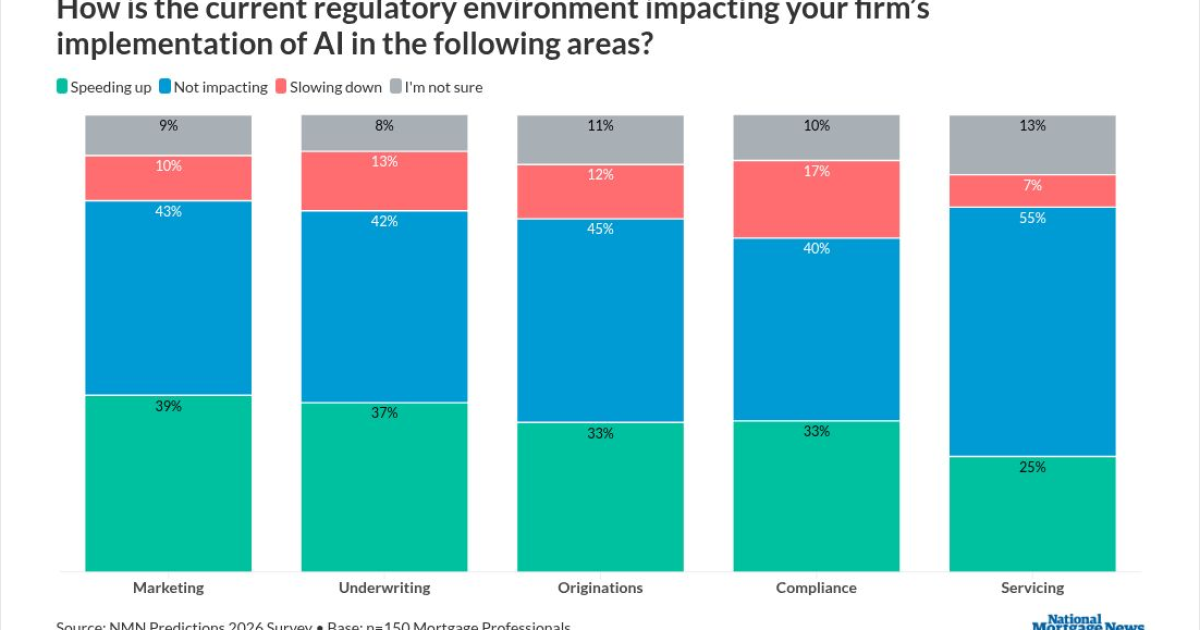
Artificial intelligence is finally stepping into the mortgage underwriting spotlight, with 57% of mortgage professionals predicting it will drive the most transformative industry shift in 2026. Thanks to major advancements in language models and workflow automation, AI is now capable of navigating the messy, document-heavy realities that have long slowed underwriting. From faster preapprovals to improved credit analysis and real‑time income verification, AI is streamlining processes while allowing underwriters to focus on true risk management. As regulatory winds shift and grassroots pressure builds within lending teams, the industry is entering a pivotal era where AI‑powered underwriting becomes not just an advantage — but an expectation.

Portland’s Commercial Market Suffers a Historic $2 Billion Collapse

Portland’s top 20 office towers have lost an unprecedented 70% of their value since 2019—plunging from $3 billion to under $1 billion—triggering tax revenue shortfalls, budget crises, and a surge in appeals as the city grapples with its biggest commercial real estate reset in modern history.

When Virtual Reality Becomes the New Penthouse Tour: Miami Students Step Inside a $1M Tech-Driven Luxury Tower Experience

South Florida’s luxury real estate market just raised the bar again — this time with a $1 million virtual reality system that lets buyers walk through Dolce & Gabbana’s upcoming Miami tower long before construction wraps. Real estate master’s students were given an immersive look inside the project, discovering how VR is transforming high‑end development, influencing buyer psychology, and shaping the future skills today’s professionals need.

Long Island’s Latest Commercial Moves: From Pizza Huts to Auto Parts Warehouses

Long Island’s commercial real estate scene is kicking off 2026 with a surge of activity—industrial leases in Medford, neighborhood retail trades in Bohemia, Pizza Hut’s new DELCO expansion in Centereach, mixed‑use acquisitions in Melville, and major investor interest in bank‑leased and franchise-backed properties. From warehouses to restaurant rebrands, these deals highlight a region evolving fast and offering fresh opportunities for agents, investors, and professionals looking to stay ahead in the market.