The Metaverse: A New Frontier in Real Estate

As the virtual world continues to expand, the metaverse has emerged as a transformative force in the real estate industry. This immersive 3D iteration of the internet offers shared virtual environments where avatars can engage in a myriad of activities, including socializing, gaming, and shopping. Now, the metaverse is carving out a niche in real estate, raising the question: are there buyers for these virtual properties?

According to an analysis by ExpertMarketResearch.com, the metaverse real estate market was valued at $1.69 billion in 2023. With a projected compound annual growth rate of 48.6%, it is expected to reach a staggering $59.38 billion by 2032. This growth has been fueled by shifts in cryptocurrency interests, which have significantly impacted virtual land prices.

Despite the allure of the metaverse, it’s not without its challenges. The market is subject to the cyclical nature of cryptocurrencies, with prices fluctuating wildly. For instance, Snoop Dogg’s virtual estate saw a dramatic depreciation, losing 94% of its value by mid-2023. The average cost of a parcel of virtual land plummeted from about $18,000 in January 2022 to less than $2,000 by mid-2023.

However, the foundation of many blockchain-based metaverse worlds on Ethereum provides some stability, as the value of ether is relatively stable compared to other cryptocurrencies. This stability is crucial as the metaverse has the potential to reshape the real estate industry by introducing blockchain technologies. These technologies can streamline processes like asset verification and transaction settlements, offering a more transparent and secure system.

Bridging the Virtual and Real Worlds

The metaverse’s impact isn’t confined to the digital realm. It is beginning to overlap with the real world, as demonstrated by initiatives like ONE Sotheby’s International Realty’s MetaReal properties. This approach links physical estates to their virtual counterparts, offering buyers a unique blend of real and virtual real estate.

The emergence of virtual real estate brokerage further underscores the metaverse’s potential. While the space remains largely unregulated compared to traditional real estate, brokers can help buyers and sellers navigate these virtual worlds, negotiate favorable prices, and provide valuable advice on asset utilization.

The future of metaverse real estate hinges on technological advancements and societal adaptation to virtual living. As noted in the original article from Chicago Agent Magazine, early adopters may find immense value in this innovative domain, or they may face significant risks. Nevertheless, exploring metaverse real estate could offer a unique opportunity to diversify investments and acquire new skills.

More Articles

Getting licensed or staying ahead in your career can be a journey—but it doesn’t have to be overwhelming. Grab your favorite coffee or tea, take a moment to relax, and browse through our articles. Whether you’re just starting out or renewing your expertise, we’ve got tips, insights, and advice to keep you moving forward. Here’s to your success—one sip and one step at a time!

2025 Commercial Real Estate Outlook: Navigating a New Era

The commercial real estate landscape is on the brink of transformation as leaders seek to navigate the challenges of recent years and position their organizations for future opportunities.

The Emerging Mental Health Crisis Among Healthcare Workers During the COVID-19 Pandemic

The pandemic has ushered in a wave of mental health challenges that affect healthcare workers profoundly. From the onset of COVID-19, these professionals have been at the forefront, facing immense pressure, long hours, and the constant fear of exposure.

By |December 18, 2024|Categories: Article, Healthcare Workers, Mental Health|Tags: , |0 Comments

Ethical Concerns of Large Language Models in Healthcare

Exploring the dual nature of LLMs offers substantial benefits in healthcare but also raises significant ethical concerns, underscoring the need for well-defined guidelines and human oversight.

The Role of Wearable Devices in Chronic Disease Monitoring and Patient Care: A Comprehensive Review

Wearable devices have become integral in managing chronic conditions by providing continuous health data, empowering patients and healthcare professionals with insights that were previously unattainable.

AI Training Mandates: Navigating Legal Waters in Dentistry

The integration of artificial intelligence (AI) into dental practices is more than a technological trend; it represents a seismic shift in the industry. This transformation is reshaping skill sets and prompting a thorough examination of legal and ethical implications.

By |December 17, 2024|Categories: Article, Legal, Technology|Tags: , |0 Comments

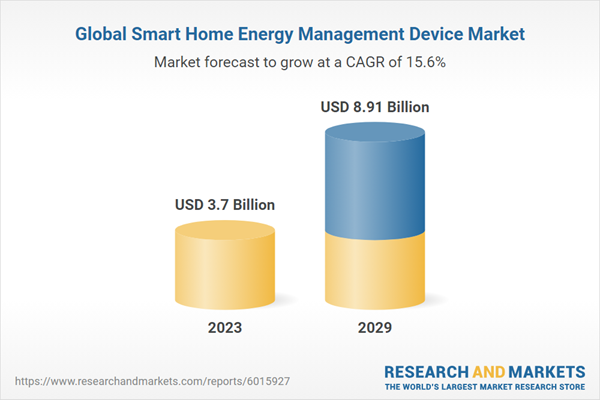
Smart Home Energy Management Devices: A Market Poised for Growth

The Global Smart Home Energy Management Device Market is on the brink of a significant transformation, driven by escalating demands for energy-efficient solutions and the increasing adoption of smart home technologies.