In an era marked by high mortgage rates and soaring home prices, the quest for affordable housing has become a driving force reshaping migration trends across the United States. As prospective homeowners grapple with these financial challenges, many are choosing to relocate to more affordable metropolitan areas that promise a balance of lower housing costs and burgeoning job opportunities.
A recent analysis by Zillow, leveraging data from United Van Lines, reveals a significant shift in interstate migration patterns. Last year, individuals often moved to regions where housing markets were less competitive, and new home construction was keeping pace with demand. On average, homes in these new metros were approximately $7,500 cheaper than those in the areas people left behind.
Migration Trends Driven by Affordability
Orphe Divounguy, a senior economist at Zillow, emphasizes the pivotal role of affordability in shaping these migration patterns. “Housing affordability has always mattered…and you’re seeing it across the country,” he notes, highlighting how this factor is influencing where people choose to live.
Jessica Lautz, deputy chief economist at the National Association of Realtors, points to a strong migration flow into states like Florida, North Carolina, South Carolina, Tennessee, and Texas. These regions are increasingly popular due to their combination of affordable housing options and robust job markets.
Charlotte, North Carolina
Providence, Rhode Island
Indianapolis, Indiana
Orlando, Florida
Raleigh, North Carolina
These cities, among others, have become magnets for movers seeking not only affordable living but also substantial employment opportunities. For instance, Charlotte and Raleigh have emerged as tech and financial hubs, attracting workers from more expensive metro areas like New York City.
Economic and Job Factors
The appeal of these Southern and Midwestern cities lies not only in their affordability but also in their dynamic job markets. As Divounguy notes, these areas are “markets where jobs are being created rapidly,” providing a dual incentive for relocation—affordable housing and employment prospects.
As the real estate market continues to face a low supply of active listings, builders are stepping in to fill the gap, but only in areas where it is financially viable for both buyers and builders. This has led to a rise in the popularity of these relatively more affordable markets.
Conclusion
As the landscape of American housing continues to evolve, the influence of affordability on migration trends becomes increasingly evident. With states like Florida and the Carolinas leading the charge, the search for affordable housing coupled with promising job markets is set to redefine where and how Americans choose to live.
More Articles
Getting licensed or staying ahead in your career can be a journey—but it doesn’t have to be overwhelming. Grab your favorite coffee or tea, take a moment to relax, and browse through our articles. Whether you’re just starting out or renewing your expertise, we’ve got tips, insights, and advice to keep you moving forward. Here’s to your success—one sip and one step at a time!
With increasing governmental and private investments, the demand for precision medicine is expected to rise steadily. The commitment to addressing chronic conditions, coupled with strategic industry collaborations and advanced diagnostic tools, will sustain market growth.
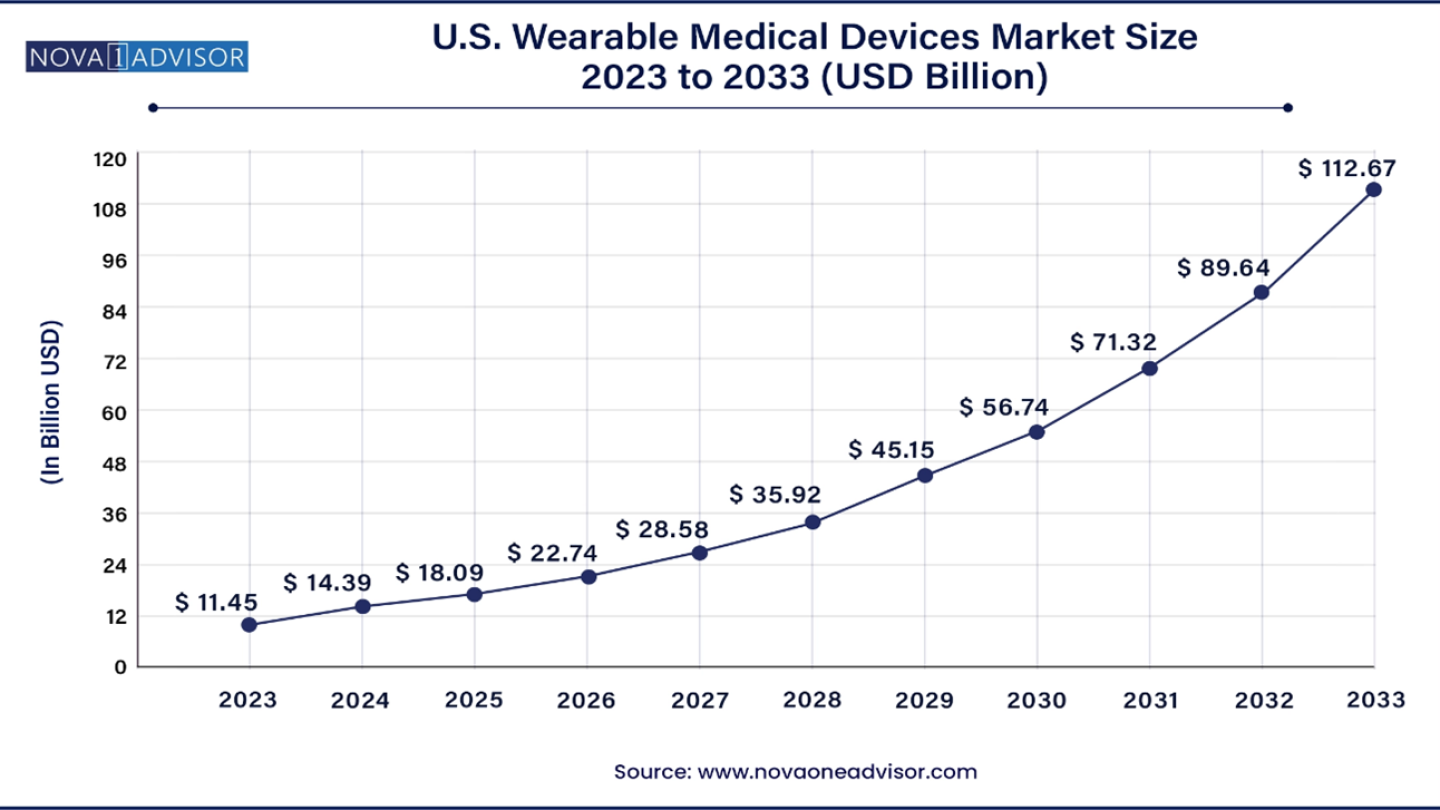
The U.S. wearable medical devices market, currently valued at an estimated $11.45 billion in 2023, is set to experience an astronomical rise to approximately $112.67 billion by 2033.
The real estate market is on the brink of transformation, captivating the attention of buyers, sellers, investors, and industry professionals. As we look toward the end of 2024, experts predict a shift in the landscape, particularly with home prices expected to decline due to increased inventory levels.
According to the World Health Organization (WHO), nearly two billion people in rural and remote areas worldwide lack access to essential healthcare solutions. This staggering statistic highlights a critical issue: the digital divide that limits telehealth services, primarily due to inadequate broadband access.
As AI becomes a staple in medical practice, it carries the risk of reinforcing existing biases entrenched in historical data. These biases can lead to skewed outcomes, particularly affecting marginalized communities such as the LGBTQIA+ and certain ethnic groups.
A groundbreaking study published in Volume 15 of Oncotarget on October 11, 2024, titled 'Relationship between the expressions of DLL3, ASC1, TTF-1 and Ki-67: First steps of precision medicine at SCLC' showcases pivotal advancements in the fight against small cell lung cancer (SCLC).