Real estate marketplace cover image

The Modern Real Estate Marketplace: Thriving, Evolving… and Maybe Too Successful?

The modern MLS-powered marketplace is a marvel of innovation — a system so smooth, so efficient, and so deeply woven into the real estate experience that many forget how intentionally it was crafted. Yet surprisingly, that very success may now be creating new risks. When an industry works too well, some begin looking for ways to stand out — even if doing so unintentionally undermines the very efficiencies that consumers rely on.

Key Insight: The MLS doesn’t need replacing — it needs thoughtful, strategic upgrades that preserve its powerful, consumer-first functionality.

The Power of a System We Rarely Think About

Today’s buyers and sellers often assume that scrolling through near-instant listings is simply “how real estate works.” But this seamless, transparent experience is the result of decades of coordinated effort across brokerages, tech innovators, and MLS organizations dedicated to a unified standard.

Agents rely on the MLS for legally sound representation, accurate data, and a shared ecosystem that makes buying and selling more predictable. Sellers benefit enormously — enjoying global visibility within hours, increased competition, and ultimately stronger financial outcomes.

When Success Creates New Vulnerabilities

But with convenience comes complacency. In an attempt to differentiate, some professionals are experimenting with strategies that restrict visibility rather than expand it — off-market listings, selective marketing, and artificial scarcity being among the most common.

These tactics don’t enhance client experience. Instead, they fracture the market, forcing buyers to hunt across scattered channels and costing sellers the broad exposure that drives real financial gains.

The Financial Impact Is Undeniable

Data from Bright MLS, the San Francisco Association of Realtors, and DooriFy MLS reveals that proper MLS exposure can raise sale prices between $50,000 and $75,000. Those aren’t abstract numbers — they represent life-changing financial opportunities.

Even modest gains can shape long‑term stability for families, making a transparent, competitive marketplace essential.

A Marketplace Designed for Choice

Contrary to misconceptions, broad MLS exposure does not eliminate flexibility. Sellers still maintain full control and can choose:

  • Privacy‑focused listing settings
  • “Coming Soon” strategies
  • Hidden property addresses
  • Broker‑only exposure
  • Full FSBO independence

The MLS isn’t restrictive — it’s adaptable. Its strength lies in offering options while still supporting a unified, transparent marketplace.

Keeping the Pipeline Clear

Like any high-demand system, the MLS requires ongoing modernization. Outdated data feeds and lack of standardization are real challenges. But the greater risk lies in dismantling the foundational framework that supports fair, open competition.

Innovation should complement — not replace — the MLS. Real estate professionals, brokerages, and educators share the responsibility of protecting the systems that keep the market efficient and thriving.

The Role of Education in an Evolving Marketplace

This industry is transforming rapidly, and staying ahead means understanding emerging technologies, shifting data standards, and evolving consumer expectations. That’s where schools like Cameron Academy make a lasting impact. Whether launching your real estate career or expanding your professional expertise, high‑quality education ensures you’re equipped to lead confidently in a modernized marketplace.

As the MLS evolves, educated professionals will be the ones who uphold transparency, elevate client experience, and sustain the systems that keep real estate strong.

Source: Content inspired by original reporting from RealEstateNews.
Read the Full Story Here

More Articles

Getting licensed or staying ahead in your career can be a journey—but it doesn’t have to be overwhelming. Grab your favorite coffee or tea, take a moment to relax, and browse through our articles. Whether you’re just starting out or renewing your expertise, we’ve got tips, insights, and advice to keep you moving forward. Here’s to your success—one sip and one step at a time!

2025 Commercial Real Estate Outlook: Navigating a New Era

The commercial real estate landscape is on the brink of transformation as leaders seek to navigate the challenges of recent years and position their organizations for future opportunities.

The Emerging Mental Health Crisis Among Healthcare Workers During the COVID-19 Pandemic

The pandemic has ushered in a wave of mental health challenges that affect healthcare workers profoundly. From the onset of COVID-19, these professionals have been at the forefront, facing immense pressure, long hours, and the constant fear of exposure.

By |December 18, 2024|Categories: Article, Healthcare Workers, Mental Health|Tags: , |0 Comments

Ethical Concerns of Large Language Models in Healthcare

Exploring the dual nature of LLMs offers substantial benefits in healthcare but also raises significant ethical concerns, underscoring the need for well-defined guidelines and human oversight.

The Role of Wearable Devices in Chronic Disease Monitoring and Patient Care: A Comprehensive Review

Wearable devices have become integral in managing chronic conditions by providing continuous health data, empowering patients and healthcare professionals with insights that were previously unattainable.

AI Training Mandates: Navigating Legal Waters in Dentistry

The integration of artificial intelligence (AI) into dental practices is more than a technological trend; it represents a seismic shift in the industry. This transformation is reshaping skill sets and prompting a thorough examination of legal and ethical implications.

By |December 17, 2024|Categories: Article, Legal, Technology|Tags: , |0 Comments

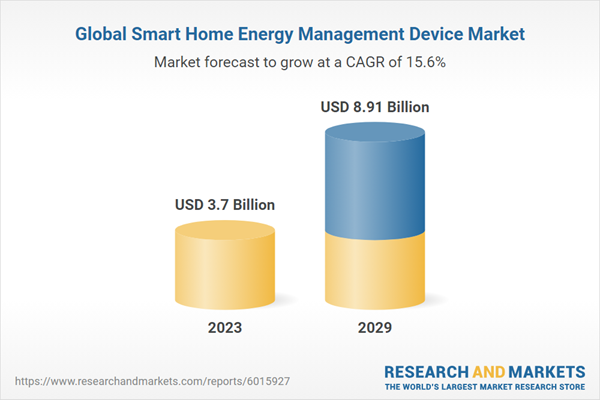
Smart Home Energy Management Devices: A Market Poised for Growth

The Global Smart Home Energy Management Device Market is on the brink of a significant transformation, driven by escalating demands for energy-efficient solutions and the increasing adoption of smart home technologies.