
The AI Honeymoon in Real Estate Is Officially Over

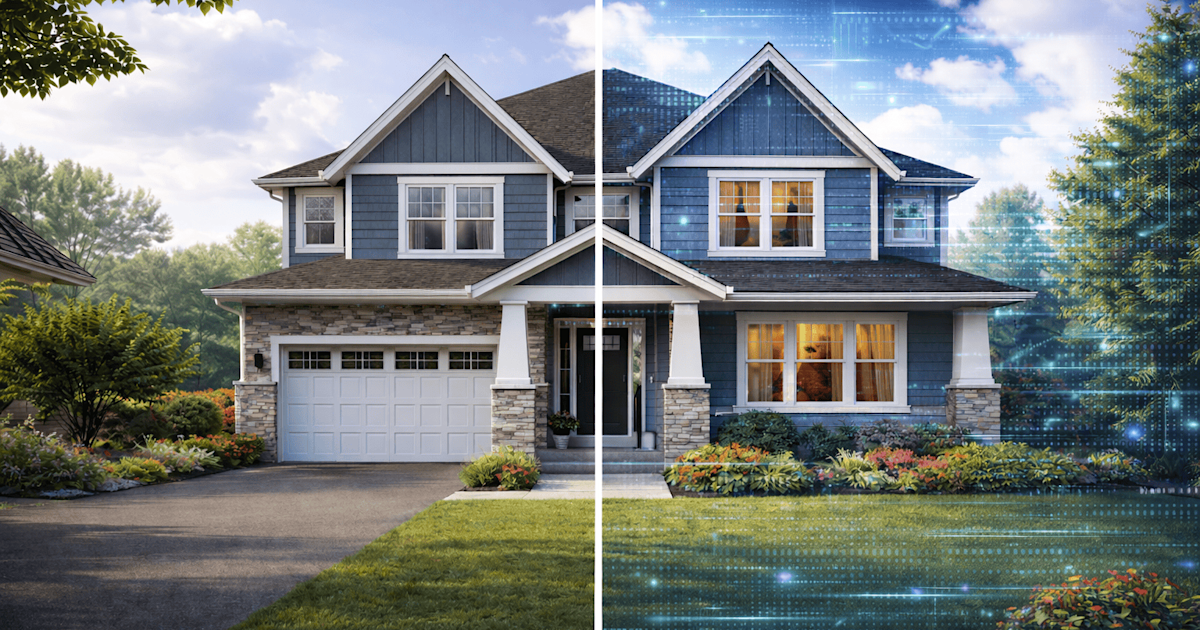
Ai and smart home illustration

After years of excitement and experimentation, the residential real estate industry is waking up to a new reality: AI isn’t a novelty anymore — it’s the infrastructure running quietly beneath nearly everything agents create and consumers see. But with that evolution comes growing tension around trust, authenticity, and what it really means to be a licensed professional in an AI‑saturated world.

AI Is Everywhere — And That’s the Problem

Agents today rely on generative AI for nearly everything: listing descriptions, social posts, email campaigns, photo enhancements, even full property presentations. What was once a powerful add‑on has become the expectation.

This explosion of content has introduced a notorious new term inside real estate circles: AI slop — repetitive, uncanny, overly polished material that all starts to look the same.

Pritesh Damani, CTO of The Real Brokerage, doesn’t see it as a downside.

“I don’t consider it slop — I consider it better content.”

To Damani, the volume is the point. Scale matters more than originality, and AI brings scale the way machinery transformed the industrial revolution.

Authenticity Takes Center Stage

But not everyone is convinced that more content means better outcomes. Holly Mabery, Chief Brokerage Officer at eXp Realty, compares the AI surge to the infamous Milli Vanilli lip‑sync scandal — polished on the surface, but potentially hollow underneath.

“What is real and what is not? At the core of everything, it has to be you.”

Mabery’s concern isn’t about productivity — it’s about trust. If an agent’s voice, visuals, and persona are AI‑generated, consumers may start doubting the human expertise they’re paying for. In response, eXp has already added AI disclosure clauses to its listing agreements and has begun training agents to properly identify what’s real and what’s virtually enhanced.

When AI Crosses Into Legal Territory

AI‑generated marketing is one thing. AI‑generated legal guidance is another.

Consumer Policy Center research fellow Wendy Gilch warns that consumers are increasingly turning to AI for guidance on contracts, negotiations, inspections, and even underwriting decisions — areas that can carry enormous financial risk if handled incorrectly.

“If you’re blindly using it to make big decisions, that’s really dangerous.”

Because real estate law varies dramatically across states, incorrectly interpreted AI advice could lead to costly outcomes — and that risk is growing fast.

The New Question: What Are Agents Being Paid For?

With AI drafting CMAs, generating pricing suggestions, writing marketing, and filtering leads, consumers may begin asking a difficult question: “If AI is doing the work, why are agents earning full commissions?”

Gilch believes the industry must address this perception now — before consumers and regulators force the conversation.

How Professionals Can Stay Ahead — And Why Education Matters

The rapid rise of AI doesn’t diminish the value of licensed professionals — it multiplies the importance of training, ethics, and clear communication. Real estate agents, mortgage professionals, insurance advisors, and others must articulate what AI does and what only a qualified human can provide.

This is exactly why professional schools like Cameron Academy are experiencing a rise in students seeking continuing education. As technology evolves, staying licensed isn’t enough — staying informed is essential.

Cameron Academy’s mission is to prepare professionals not just to pass exams, but to excel in a rapidly shifting industry landscape. AI is rewriting the rules — and education is the key to staying ahead of them.

More Articles

Getting licensed or staying ahead in your career can be a journey—but it doesn’t have to be overwhelming. Grab your favorite coffee or tea, take a moment to relax, and browse through our articles. Whether you’re just starting out or renewing your expertise, we’ve got tips, insights, and advice to keep you moving forward. Here’s to your success—one sip and one step at a time!

Artificial Intelligence in Diagnostics: A Revolution in Healthcare

The global market for artificial intelligence in diagnostics is poised for remarkable growth, with projections estimating it to reach USD 7.3 billion by 2032.

By |December 10, 2024|Categories: Article, Artificial Intelligence, Healthcare|Tags: , |0 Comments

Revolutionizing Medical Education with Extended Reality

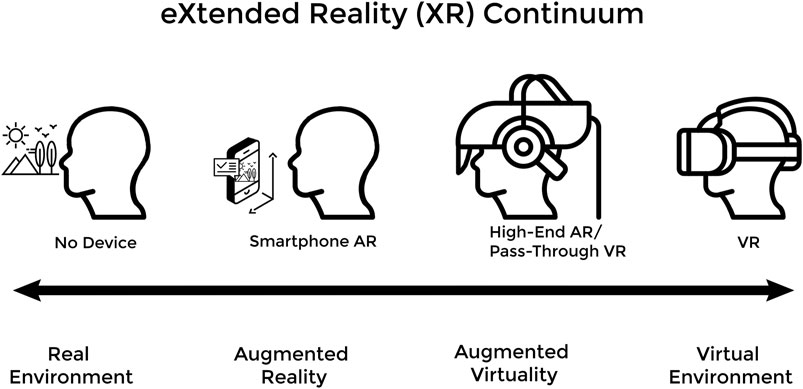
In the ever-evolving landscape of medical education, a new player has emerged, promising to revolutionize the way future doctors are trained. The integration of eXtended Reality (XR) technologies is reshaping the educational landscape by addressing the limitations of traditional methods.

Genetic Testing: A New Dawn in Healthcare

Genetic testing represents more than just a scientific advancement; it signifies a fundamental shift in how we approach health and wellness.

Sustainable Architecture: Blending Innovation with Ecological Responsibility

The journey toward sustainable architecture is ongoing, with each project serving as a beacon of what's achievable when creativity meets ecological awareness.

By |December 9, 2024|Categories: Architecture, Article, Sustainability|Tags: |0 Comments

AI in Clinical and Molecular Diagnostics: A Market on the Rise

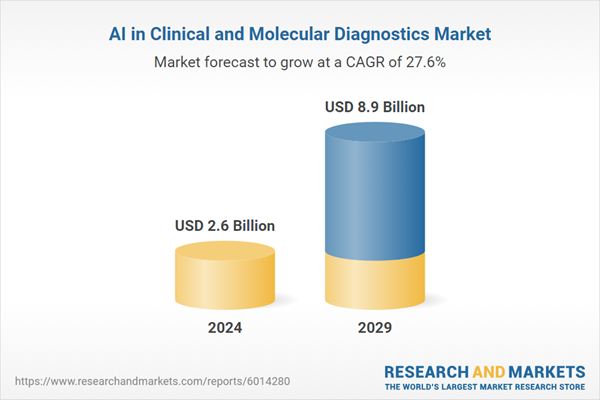
AI in Clinical and Molecular Diagnostics Market is set to experience remarkable growth, projected to surge from USD 2.6 billion in 2024 to USD 8.9 billion by 2029. This growth is driven by the integration of advanced AI technologies such as machine learning and deep learning into traditional diagnostic methodologies like imaging, genomics, and laboratory testing.

AI: A Revolution in Healthcare’s Future

AI is not a distant dream but a present reality, already integrated into everyday life through virtual assistants like Alexa and Siri. AI shows promise in enhancing medical accuracy, such as in predicting mesothelioma survival and improving colonoscopy accuracy, it is not intended to replace healthcare professionals.