The AI Honeymoon in Real Estate Is Officially Over

Ai and smart home illustration

After years of excitement and experimentation, the residential real estate industry is waking up to a new reality: AI isn’t a novelty anymore — it’s the infrastructure running quietly beneath nearly everything agents create and consumers see. But with that evolution comes growing tension around trust, authenticity, and what it really means to be a licensed professional in an AI‑saturated world.

AI Is Everywhere — And That’s the Problem

Agents today rely on generative AI for nearly everything: listing descriptions, social posts, email campaigns, photo enhancements, even full property presentations. What was once a powerful add‑on has become the expectation.

This explosion of content has introduced a notorious new term inside real estate circles: AI slop — repetitive, uncanny, overly polished material that all starts to look the same.

Pritesh Damani, CTO of The Real Brokerage, doesn’t see it as a downside.

“I don’t consider it slop — I consider it better content.”

To Damani, the volume is the point. Scale matters more than originality, and AI brings scale the way machinery transformed the industrial revolution.

Authenticity Takes Center Stage

But not everyone is convinced that more content means better outcomes. Holly Mabery, Chief Brokerage Officer at eXp Realty, compares the AI surge to the infamous Milli Vanilli lip‑sync scandal — polished on the surface, but potentially hollow underneath.

“What is real and what is not? At the core of everything, it has to be you.”

Mabery’s concern isn’t about productivity — it’s about trust. If an agent’s voice, visuals, and persona are AI‑generated, consumers may start doubting the human expertise they’re paying for. In response, eXp has already added AI disclosure clauses to its listing agreements and has begun training agents to properly identify what’s real and what’s virtually enhanced.

When AI Crosses Into Legal Territory

AI‑generated marketing is one thing. AI‑generated legal guidance is another.

Consumer Policy Center research fellow Wendy Gilch warns that consumers are increasingly turning to AI for guidance on contracts, negotiations, inspections, and even underwriting decisions — areas that can carry enormous financial risk if handled incorrectly.

“If you’re blindly using it to make big decisions, that’s really dangerous.”

Because real estate law varies dramatically across states, incorrectly interpreted AI advice could lead to costly outcomes — and that risk is growing fast.

The New Question: What Are Agents Being Paid For?

With AI drafting CMAs, generating pricing suggestions, writing marketing, and filtering leads, consumers may begin asking a difficult question: “If AI is doing the work, why are agents earning full commissions?”

Gilch believes the industry must address this perception now — before consumers and regulators force the conversation.

How Professionals Can Stay Ahead — And Why Education Matters

The rapid rise of AI doesn’t diminish the value of licensed professionals — it multiplies the importance of training, ethics, and clear communication. Real estate agents, mortgage professionals, insurance advisors, and others must articulate what AI does and what only a qualified human can provide.

This is exactly why professional schools like Cameron Academy are experiencing a rise in students seeking continuing education. As technology evolves, staying licensed isn’t enough — staying informed is essential.

Cameron Academy’s mission is to prepare professionals not just to pass exams, but to excel in a rapidly shifting industry landscape. AI is rewriting the rules — and education is the key to staying ahead of them.

More Articles

Getting licensed or staying ahead in your career can be a journey—but it doesn’t have to be overwhelming. Grab your favorite coffee or tea, take a moment to relax, and browse through our articles. Whether you’re just starting out or renewing your expertise, we’ve got tips, insights, and advice to keep you moving forward. Here’s to your success—one sip and one step at a time!

Florida’s Insurance Market Meltdown: Why New Reforms Are Repeating Old Mistakes

Florida’s property insurance system is once again spiraling as new “market-friendly” reforms fail to stabilize rising premiums, insurer failures, and mounting homeowner frustration. Despite aggressive efforts to shift policyholders from Citizens to private carriers, many of the new insurers stepping in are tied to past insolvencies, questionable ratings, and political influence. For real estate, mortgage, and insurance professionals, these systemic cracks are reshaping closings, valuations, and risk across the state—making it essential to stay ahead of ongoing regulatory and market shifts.

Top 2026 Commercial Real Estate Issues: The Trends Professionals Must Watch

Commercial real estate is heading into a turning‑point year in 2026, driven by economic uncertainty, AI‑powered transformation, shifting demographics and rising portfolio risk. Insights from The Counselors of Real Estate highlight the top issues shaping the year ahead—from fiscal pressures and capital constraints to housing shortages, global volatility and the future of data‑driven decision‑making. For real estate, mortgage, insurance and finance professionals, these trends offer a clear roadmap for staying competitive and preparing for the next wave of industry change.

The Tech Wave Transforming Real Estate in 2025

AI-powered tools, fraud protection systems, and smarter MLS integrations are sweeping through the real estate industry as major organizations adopt new technologies. From RealReports hitting its 50th partnership to BeachesMLS unveiling instant AI home visualizations and Doorify boosting security, professionals are seeing rapid advancements that promise sharper insights, safer transactions, and more efficient rental workflows. This evolving tech landscape underscores the importance of staying educated and adaptable — especially for agents preparing for a competitive, AI-enhanced 2025 market.

Florida’s Insurance Crisis Deepens as Premiums Soar and Claims Go Unpaid

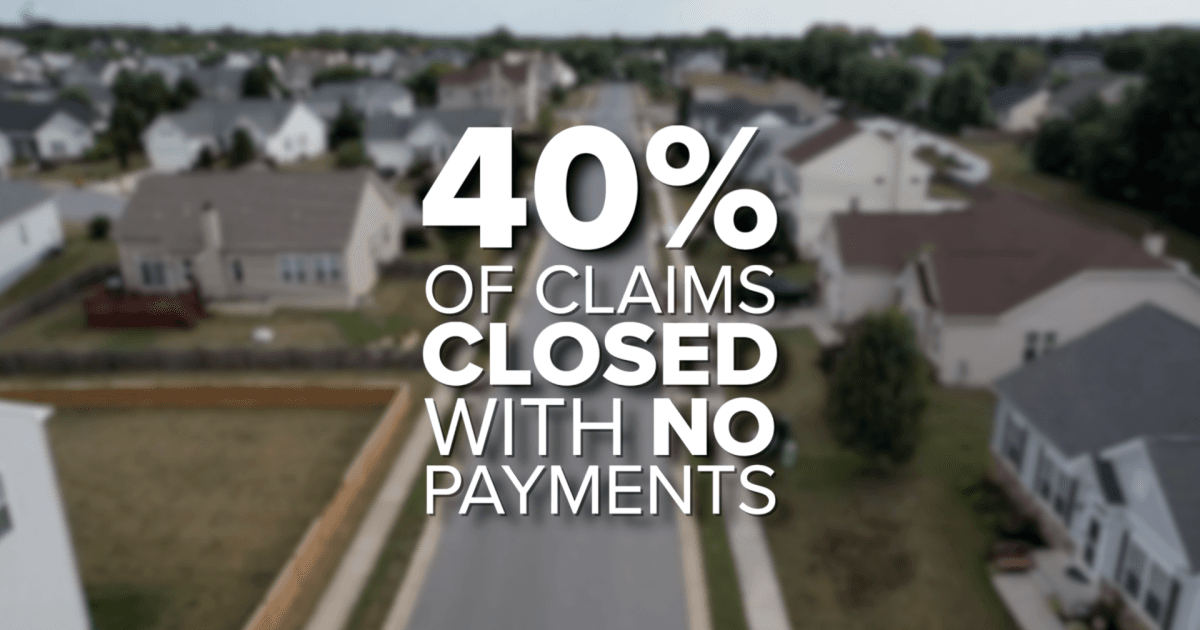
Florida homeowners are being hit with the highest insurance premiums in the nation, averaging $5,838 per year—nearly double the U.S. average. As costs skyrocket, many residents are reporting denied claims, non‑renewals, and impossible financial choices. New investigations reveal that more than 40 percent of claims in Florida close with no payment, while lawmakers push for transparency, fair pricing, and meaningful reform to stabilize a market that’s rapidly becoming unsustainable.

AI-Powered Parking Startup Vend Park Secures $17.5M to Transform a Forgotten Real Estate Asset

Vend Park, a Boston-based proptech company, has raised $17.5 million in Series A funding to reinvent parking as a high-performing commercial real estate asset. By replacing outdated operator–vendor systems with a unified AI-driven platform, Vend Park is helping major property owners boost NOI by up to 30%, slash operating costs, and modernize the tenant experience. As the company expands from three to fifteen cities and partners with giants like Nuveen and Jamestown, its technology highlights a major shift: real estate professionals must now understand AI, automation, and digital infrastructure to stay competitive.

Keller Williams Atlanta Partners Teams Up with Southeast Mortgage in a Major Georgia Market Shake‑Up

Keller Williams Realty Atlanta Partners has formed an exclusive partnership with Southeast Mortgage, Georgia’s largest non‑bank mortgage lender. The collaboration promises faster, tech‑enhanced transactions for both agents and homebuyers, combining real estate expertise with streamlined mortgage services. This move reflects a growing trend toward integrated real‑estate ecosystems designed to reduce delays, boost transparency, and modernize the homebuying experience.