The Mortgage Industry’s AI Transformation: How Automation Is Rewriting the Lending Playbook
Artificial intelligence is no longer a trendy buzzword—it has officially become one of the most powerful forces reshaping financial operations. A 2024 Bain & Co. study found that generative AI has boosted productivity by an average of 20%. Meanwhile, every financial organization surveyed by the Institute of International Finance is investing in AI tools, with over half increasing their budgets by more than 25%.
Mortgage lending is emerging as one of AI’s boldest frontiers. From eliminating repetitive tasks to accelerating loan closings, new automations are creating a faster, more accurate, and more enjoyable lending environment for both professionals and clients.
The End of Manual Data Entry? We’re Getting Very Close.
Lenders have always wrestled with bottlenecks created by slow, error‑prone paperwork. But modern AI-powered document extraction now pulls essential income, asset, and property data directly from client uploads. Work that once took hours can now be done in minutes—boosting accuracy and freeing teams from tedious tasks.
Income verification, bank statement review, and document classification are increasingly handled by advanced extraction systems that cut risk, shorten timelines, and dramatically speed up loan readiness. The result? Happier borrowers, faster closings, fewer headaches.
Generative AI: The Underwriter’s New Best Friend
One of today’s most exciting advancements is automated borrower narratives. With a single click, AI can now create a complete underwriting‑ready summary—criteria, risk elements, borrower background and more—traditionally assembled manually.
The result is faster underwriting, fewer delays, and a far more efficient path from application to approval.
Chatbots, POS Automation, and the Next‑Gen Borrower Journey
Modern AI chat tools guide both clients and mortgage professionals through key questions in real time—boosting accuracy, reducing stress, and simplifying complex situations. Enhanced point‑of‑sale platforms allow borrowers to compare rates, explore products, and complete applications within minutes.
Combine these advances with end-to-end workflow automation and some institutions now issue preapprovals in just 20 minutes—and close loans in under a week.
Predictive Analytics: The New Lens for Market Growth
AI isn’t just about speed—it’s about insight. Predictive analytics help lenders understand borrower behavior, highlight new opportunities, and strengthen portfolio strategies. For example, AI can automatically identify refinance opportunities through real‑time LTV analysis—pinpointing high‑value prospects instantly.
Why This Matters for Mortgage and Real Estate Professionals
Professionals who understand how to leverage AI strategically will gain a powerful competitive edge. These tools help originators, brokers, and lending teams close loans faster, reach more clients, and deliver a noticeably smoother experience.
For anyone building a career in mortgage lending or real estate, staying ahead of these breakthroughs is essential. Cameron Academy proudly supports both new and experienced professionals, offering modern training that evolves alongside today’s industry—because the future belongs to those who understand both technology and client relationships.
Getting licensed or staying ahead in your career can be a journey—but it doesn’t have to be overwhelming. Grab your favorite coffee or tea, take a moment to relax, and browse through our articles. Whether you’re just starting out or renewing your expertise, we’ve got tips, insights, and advice to keep you moving forward. Here’s to your success—one sip and one step at a time!
By 2022, the average cost had skyrocketed to $1.19 million. That’s, like, a 28% increase in just three years! But as with all wild parties, there was an inevitable hangover.
"And let’s not forget this might be the start of a multi-platform domino effect. If TikTok is toast, Instagram Reels, YouTube Shorts, or bizarre TikTok lookalikes (looking at you, Lemon8) are poised to swoop in and capitalize."
Sutter Health is pioneering a transformative approach in critical care by introducing the FloPatch, a novel wearable device aimed at enhancing clinical decision-making. This initiative focuses on improving sepsis management within intensive care units (ICUs), leveraging real-time data to support critical treatment decisions.
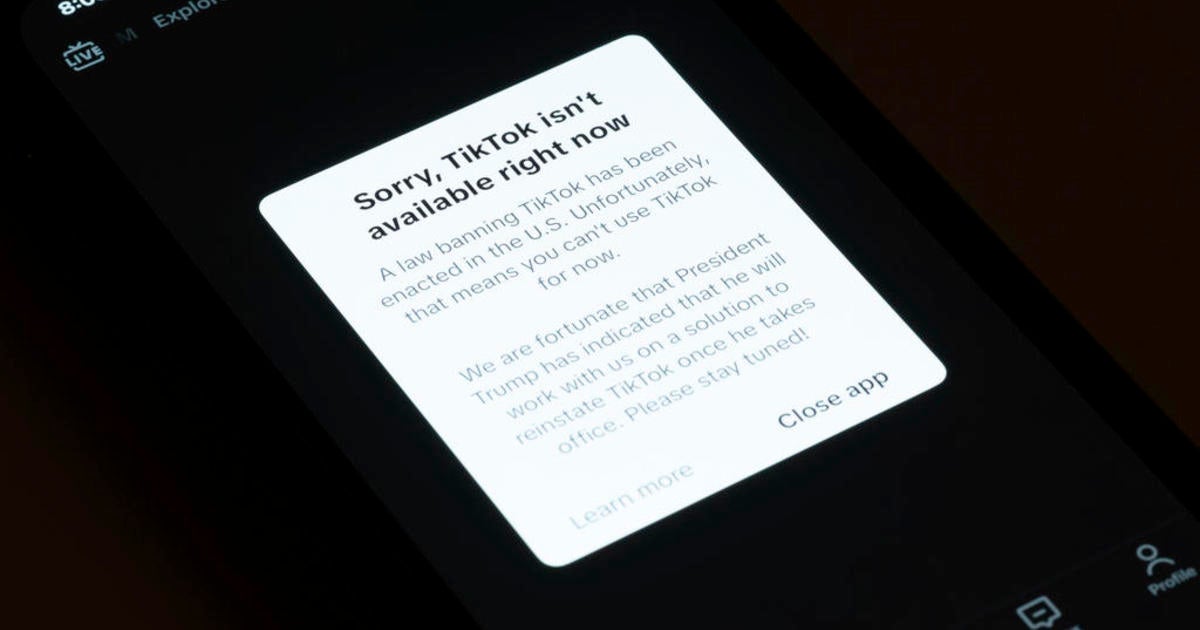
TikTok, the immensely popular social media app, is now banned in the United States following a Supreme Court ruling that mandated the app to sever ties with its China-based parent company, ByteDance, or face a ban.
AI is poised to revolutionize the diagnostic process, enabling more accurate and faster diagnoses than ever before. Traditional methods, which rely heavily on manual interpretations of medical images, often suffer from delays and errors. In contrast, AI-driven diagnostic tools can swiftly analyze vast amounts of medical data, including X-rays, MRIs, and CT scans, with remarkable precision. This technology is already being leveraged for the early detection of diseases such as cancer and diabetic retinopathy, making diagnostics more efficient and accessible than ever.