The New Real Estate Frontier: Enhancing CX with Tech and Loyalty

In the ever-evolving landscape of real estate, a paradigm shift is underway, positioning customer experience (CX) and brand loyalty at the forefront of innovation. Traditionally reserved for the hospitality sector, the emphasis on creating memorable tenant experiences is now permeating the residential real estate market. This transformation is driven by the potential to blend superior CX with cost-effective operations, a concept explored in a recent McKinsey & Company article.

The integration of technology is reshaping how real estate operators engage with tenants, offering personalized experiences that resonate with their lifestyle aspirations. By leveraging tools like generative AI and digital marketing platforms, operators can create touchpoints that not only enhance tenant satisfaction but also foster brand loyalty. This approach can lead to a significant premium in market performance, as highlighted by McKinsey’s research.

Key Trends and Innovations

  • Segment-Specific Communities: Real estate brands are shifting from commodity offerings to building communities that cater to specific market segments. This involves creating shared spaces and experiences that align with tenants’ values and interests.
  • Personalized Experiences: Tenants are increasingly seeking individualized interactions. Whether it’s a birthday reminder or a maintenance update, personalized communication can significantly enhance tenant loyalty.
  • AI-Enabled Operations: The use of AI in property management is streamlining operations, reducing wait times, and meeting the on-demand expectations of modern consumers.

Strategies for Success

To thrive in this new landscape, real estate companies must embrace an eight-step framework that includes identifying target segments, understanding community values, and leveraging technology to deliver exceptional CX. This involves a commitment to bold experimentation, supported by data-driven insights to continuously refine and enhance tenant experiences.

The future of brand strategy in real estate is about creating an agile, engaging brand that evolves with consumer expectations. By focusing on moments that matter, companies can not only increase net operating income but also build lasting tenant relationships.

As the article suggests, the real estate industry is poised for a transformation, driven by the demand for polished self-service and sophisticated loyalty programs. It is now up to real estate owners and operators to heed this call for change and deliver branded moments that truly matter.

More Articles

Getting licensed or staying ahead in your career can be a journey—but it doesn’t have to be overwhelming. Grab your favorite coffee or tea, take a moment to relax, and browse through our articles. Whether you’re just starting out or renewing your expertise, we’ve got tips, insights, and advice to keep you moving forward. Here’s to your success—one sip and one step at a time!

Unlocking Real Estate Wealth in 2025: Strategies for Success

Step into 2025, where the real estate market emerges as a resilient beacon amidst economic unpredictability. Investors are increasingly drawn to secondary cities like Austin and Manchester, attracted by their growth potential, affordability, and enhanced quality of life.

By |February 18, 2025|Categories: Article, Investment Strategies, Real Estate|Tags: , |0 Comments

AI and Urbanization Drive Home Services Market Growth

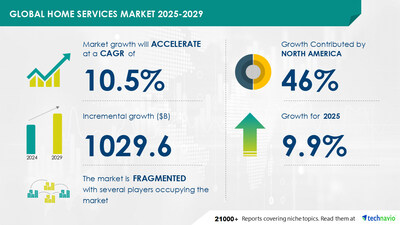
The global home services market is poised for significant growth, with projections indicating an increase of USD 1.03 trillion from 2025 to 2029. This forecasted expansion is attributed to increasing urbanization and the transformative impact of AI on market trends, according to a recent report by Technavio.

Decoding the U.S. Housing Crisis: A Study of Historic Policy Missteps and Demographic Shift

In a revealing study by USC, the roots of the current housing crisis in the United States are traced back to policy missteps and demographic changes that have been unfolding since the early 2000s. The study highlights how these factors have left millennials and people of color disproportionately affected.

Best Real Estate Crowdfunding Platforms for February 2025: Investopedia’s Top Picks

Fundrise stands out for offering investors a chance to diversify their portfolios with real estate exposure through proprietary funds. With a minimum investment as low as $10, it opens doors to beginners and seasoned investors alike.

Top Real Estate Investment Apps of 2025: A Guide for First-Time and Experienced Investors

Business Insider has reviewed a range of platforms available in 2025, focusing on key factors like fees, accessibility for accredited vs. non-accredited investors, and the types of real estate investments offered.