The New Real Estate Frontier: Enhancing CX with Tech and Loyalty
In the ever-evolving landscape of
real estate, a paradigm shift is underway, positioning
customer experience (CX) and
brand loyalty at the forefront of innovation. Traditionally reserved for the hospitality sector, the emphasis on creating memorable
tenant experiences is now permeating the residential real estate market. This transformation is driven by the potential to blend superior
CX with cost-effective operations, a concept explored in a recent
McKinsey & Company article.
The integration of
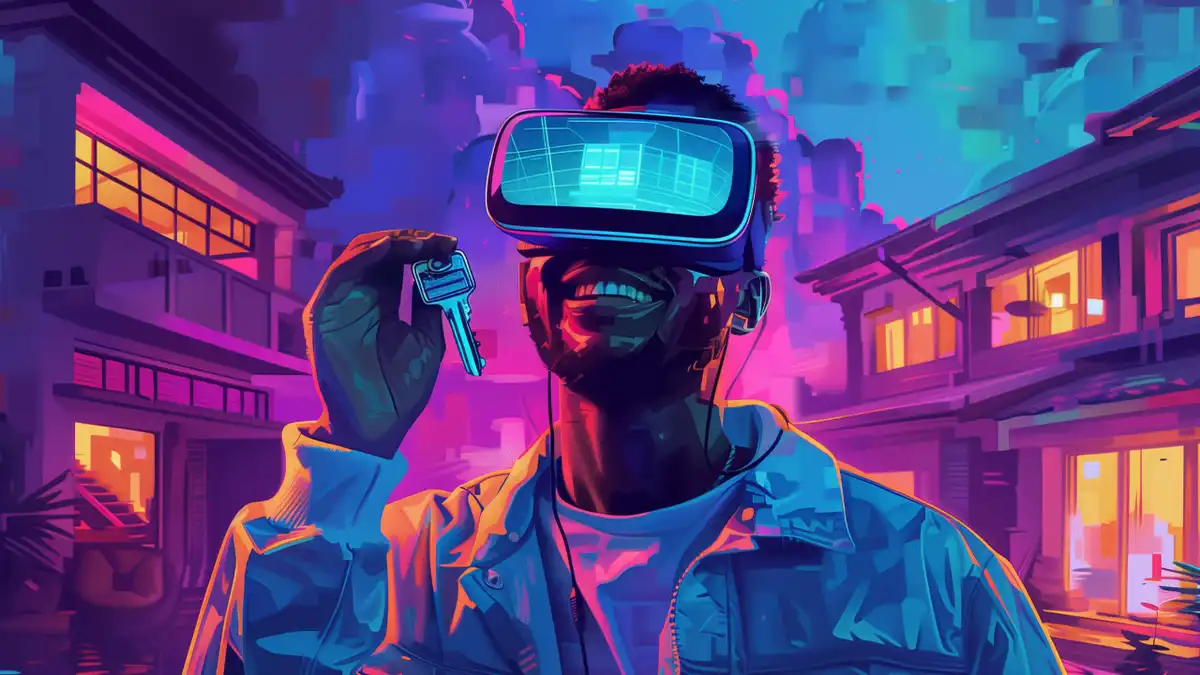
technology is reshaping how real estate operators engage with tenants, offering personalized experiences that resonate with their lifestyle aspirations. By leveraging tools like
generative AI and
digital marketing platforms, operators can create touchpoints that not only enhance
tenant satisfaction but also foster
brand loyalty. This approach can lead to a significant premium in market performance, as highlighted by McKinsey’s research.
Key Trends and Innovations
- Segment-Specific Communities: Real estate brands are shifting from commodity offerings to building communities that cater to specific market segments. This involves creating shared spaces and experiences that align with tenants’ values and interests.
- Personalized Experiences: Tenants are increasingly seeking individualized interactions. Whether it’s a birthday reminder or a maintenance update, personalized communication can significantly enhance tenant loyalty.
- AI-Enabled Operations: The use of AI in property management is streamlining operations, reducing wait times, and meeting the on-demand expectations of modern consumers.
Strategies for Success
To thrive in this new landscape, real estate companies must embrace an eight-step framework that includes identifying target segments, understanding community values, and leveraging technology to deliver exceptional
CX. This involves a commitment to bold experimentation, supported by data-driven insights to continuously refine and enhance tenant experiences.
The
future of brand strategy in
real estate is about creating an agile, engaging brand that evolves with consumer expectations. By focusing on moments that matter, companies can not only increase net operating income but also build lasting tenant relationships.
As the article suggests, the real estate industry is poised for a transformation, driven by the demand for polished self-service and sophisticated loyalty programs. It is now up to real estate owners and operators to heed this call for change and deliver branded moments that truly matter.