The New Real Estate Frontier: Enhancing CX with Tech and Loyalty

In the ever-evolving landscape of real estate, a paradigm shift is underway, positioning customer experience (CX) and brand loyalty at the forefront of innovation. Traditionally reserved for the hospitality sector, the emphasis on creating memorable tenant experiences is now permeating the residential real estate market. This transformation is driven by the potential to blend superior CX with cost-effective operations, a concept explored in a recent McKinsey & Company article.

The integration of technology is reshaping how real estate operators engage with tenants, offering personalized experiences that resonate with their lifestyle aspirations. By leveraging tools like generative AI and digital marketing platforms, operators can create touchpoints that not only enhance tenant satisfaction but also foster brand loyalty. This approach can lead to a significant premium in market performance, as highlighted by McKinsey’s research.

Key Trends and Innovations

  • Segment-Specific Communities: Real estate brands are shifting from commodity offerings to building communities that cater to specific market segments. This involves creating shared spaces and experiences that align with tenants’ values and interests.
  • Personalized Experiences: Tenants are increasingly seeking individualized interactions. Whether it’s a birthday reminder or a maintenance update, personalized communication can significantly enhance tenant loyalty.
  • AI-Enabled Operations: The use of AI in property management is streamlining operations, reducing wait times, and meeting the on-demand expectations of modern consumers.

Strategies for Success

To thrive in this new landscape, real estate companies must embrace an eight-step framework that includes identifying target segments, understanding community values, and leveraging technology to deliver exceptional CX. This involves a commitment to bold experimentation, supported by data-driven insights to continuously refine and enhance tenant experiences.

The future of brand strategy in real estate is about creating an agile, engaging brand that evolves with consumer expectations. By focusing on moments that matter, companies can not only increase net operating income but also build lasting tenant relationships.

As the article suggests, the real estate industry is poised for a transformation, driven by the demand for polished self-service and sophisticated loyalty programs. It is now up to real estate owners and operators to heed this call for change and deliver branded moments that truly matter.


More Articles

Getting licensed or staying ahead in your career can be a journey—but it doesn’t have to be overwhelming. Grab your favorite coffee or tea, take a moment to relax, and browse through our articles. Whether you’re just starting out or renewing your expertise, we’ve got tips, insights, and advice to keep you moving forward. Here’s to your success—one sip and one step at a time!

Florida’s Insurance Crisis Finally Shows Relief as Lawmakers Push for More Consumer‑Focused Reforms

Florida’s property insurance market is stabilizing after years of turmoil, but lawmakers say the job isn’t done. New proposals target profit‑sharing oversight, premium transparency, and a statewide claim‑free discount program—offering potential relief for homeowners and key insights for real estate and mortgage professionals navigating the shifting landscape.

How AI Is Quietly Transforming the Modern Real Estate Agent’s Daily Workflow

Artificial intelligence has shifted from futuristic idea to everyday assistant for real estate professionals. Instead of replacing agents, AI now enhances their workflows—automating repetitive tasks, improving communication, strengthening branding, and turning complex market data into clear insights. From smarter CRMs to AI-powered marketing tools, today’s agents can focus more on relationships and client service while technology handles the busywork behind the scenes.

Florida Lawmakers Target Insurer Profit‑Shifting in New Bill Aimed at Stabilizing Homeowners Insurance

A Florida House committee is advancing a bill that would crack down on insurers shifting profits to affiliated companies — a practice highlighted by recent investigative reporting. With premiums soaring and options shrinking, the proposed oversight could reshape the state’s insurance landscape and create ripple effects across the real estate market, impacting buyers, agents, and investors statewide.

Tangent Proptech Celebrates 100 Episodes With Airbnb’s Vision for the Future of Flexible Living

Proptech podcast *Tangent* marks its 100th episode with an inside look at Airbnb’s evolving role in multifamily housing. Featuring Airbnb Real Estate Marketing Leader Eliza Lochner, the episode explores the rapid growth of Airbnb‑friendly apartments, the rise of flexible‑living models, and why renters and property owners are increasingly embracing hosting as a way to balance affordability, transparency, and control. For today’s real estate professionals—especially in fast‑changing markets like Florida—the conversation highlights major shifts in tenant expectations, property management strategies, and the intersection of technology, hospitality, and residential development.

Florida Homeowners Hit Breaking Point as Insurance Premiums Top $14,000

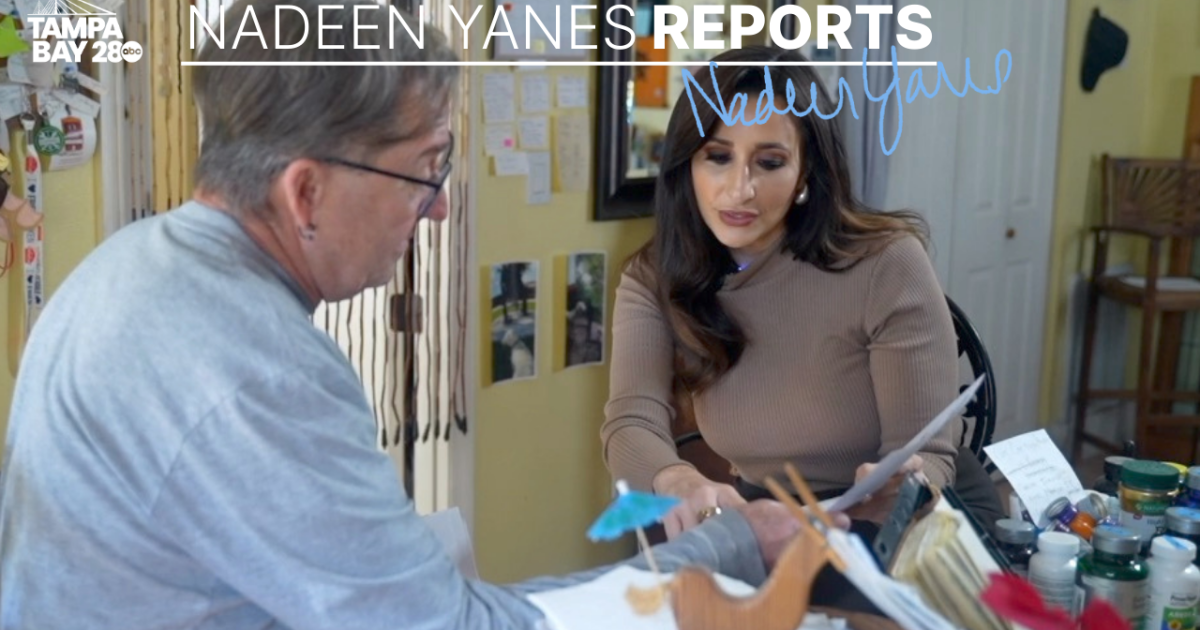
A Tampa Heights homeowner has joined the growing wave of Floridians dropping property insurance altogether after his 2026 renewal skyrocketed to $14,523. With up to 20% of residents now going bare, experts warn that soaring rates, shrinking coverage options, and post‑storm losses are pushing many to take risky measures — even as alternatives like liability‑only plans, dropped wind coverage, or home‑hardening upgrades may offer relief.

How New ERAS “Scholarly Works” Rules Could Reshape the Future of Medical Residency Applications

A major ERAS overhaul is coming in 2027, replacing the familiar “publications” field with a more rigorous category called “scholarly works.” Only peer‑reviewed submissions—such as manuscripts, abstracts, book chapters, and presentations—will qualify, shifting greater emphasis toward high‑quality research. While the change aims to give residency directors clearer insight into applicants’ academic contributions, many students worry that advocacy and policy work may lose visibility. As programs lean more heavily on research output in a post–Step 1 pass/fail era, future applicants will need to showcase not just what they’ve produced, but the depth and meaning behind it.