On May 18, 2025, the House Budget Committee gave its nod to a significant piece of legislation known as “The One, Big, Beautiful Bill.” This bill, poised for revision by the House Rules Committee, is gearing up for a vote on the House floor. It represents a sweeping continuation and expansion of the 2017 Tax Cuts and Jobs Act, introducing a myriad of new provisions aimed at reshaping the tax landscape for businesses, individuals, and tax-exempt organizations alike.


Business Provisions

The House Bill extends several key business provisions. Notably, the definition of “adjusted taxable income” under section 163(j) will be based on EBITDA from 2025 to 2028, a move that is favorable to taxpayers. The deduction for qualified business income under Section 199A is increased to 23%, and the global intangible low-taxed income (GILTI) provisions are made permanent at a 10.5% rate. Additionally, the base-erosion and anti-abuse tax (BEAT) is set to remain at 10.5% permanently.


Other notable business provisions include the reestablishment of Opportunity Zones for 2027 through 2033, with a focus on rural areas, and the limitation of amortization deductions for sports franchises to 50% of the adjusted tax basis.


Tax-Exempt Provisions

For tax-exempt organizations, the bill proposes an increased excise tax on private university endowments and private foundations. The current 1.4% excise tax on net investment income of private colleges is replaced with a tiered system, with rates reaching as high as 21% for institutions with significant endowments. Private foundations face a similar tiered excise tax system based on asset size.


Individual Provisions

Individuals will see the maximum ordinary income tax rate of 37% made permanent. The standard deduction is increased for various filing statuses from 2025 to 2028. The bill also proposes the permanent repeal of the personal exemption and adjustments to itemized deduction limits.


Additionally, the bill introduces the concept of “MAGA” accounts, tax-exempt trust accounts for U.S. citizens under 18, with a one-time $1,000 federal credit for eligible children born between 2025 and 2028.


For a detailed breakdown of these provisions, refer to the original article on Tax Talks. This comprehensive analysis explores the implications of the bill across various sectors, providing insights into its potential impact on the economic landscape.

More Articles

Getting licensed or staying ahead in your career can be a journey—but it doesn’t have to be overwhelming. Grab your favorite coffee or tea, take a moment to relax, and browse through our articles. Whether you’re just starting out or renewing your expertise, we’ve got tips, insights, and advice to keep you moving forward. Here’s to your success—one sip and one step at a time!

America’s Housing Affordability Crisis: A Deep Dive into 2024

The American dream of homeownership is slipping further out of reach for many as the nation grapples with a severe housing affordability crisis.

By |October 17, 2024|Categories: Article, Economic Issues, Housing Affordability|Tags: , |0 Comments

The Economic Payoff of Climate Resilience Investments

Each dollar spent on disaster preparedness can yield a remarkable $13 in savings on economic impact, damage, and cleanup costs. By investing in resilience today, we can safeguard our economic futures against the uncertainties of tomorrow.

By |October 16, 2024|Categories: Article, Climate Resilience, Economics|Tags: |0 Comments

California Legislators Target Corporate Landlords in Housing Market Shake-Up

California's housing market is in the crosshairs of some of the state's most influential lawmakers, who are determined to curb the influence of institutional investors. This legislative session, at least three bills are being considered to prevent these corporate landlords from amassing a significant number of the state's single-family homes.

Proposition 33: A Pivotal Moment in California’s Rent Control Debate

Proposition 33 has sparked a heated debate. Proponents argue that repealing Costa–Hawkins would allow cities to tailor rent control measures to their unique needs, potentially easing the financial burdens on renters.

By |October 16, 2024|Categories: Article, Housing, Legislation|Tags: , |0 Comments

The Trump Era: A Transformative Journey in the U.S. Housing Market

The presidency of Donald Trump ushered in a period of notable shifts in the U.S. housing market, characterized by tax cuts, deregulation, and the unforeseen impact of a global pandemic. This era, marked by both growth and uncertainty, offers a complex narrative of economic policy and market dynamics.

Donald Trump’s Intricate Family Web

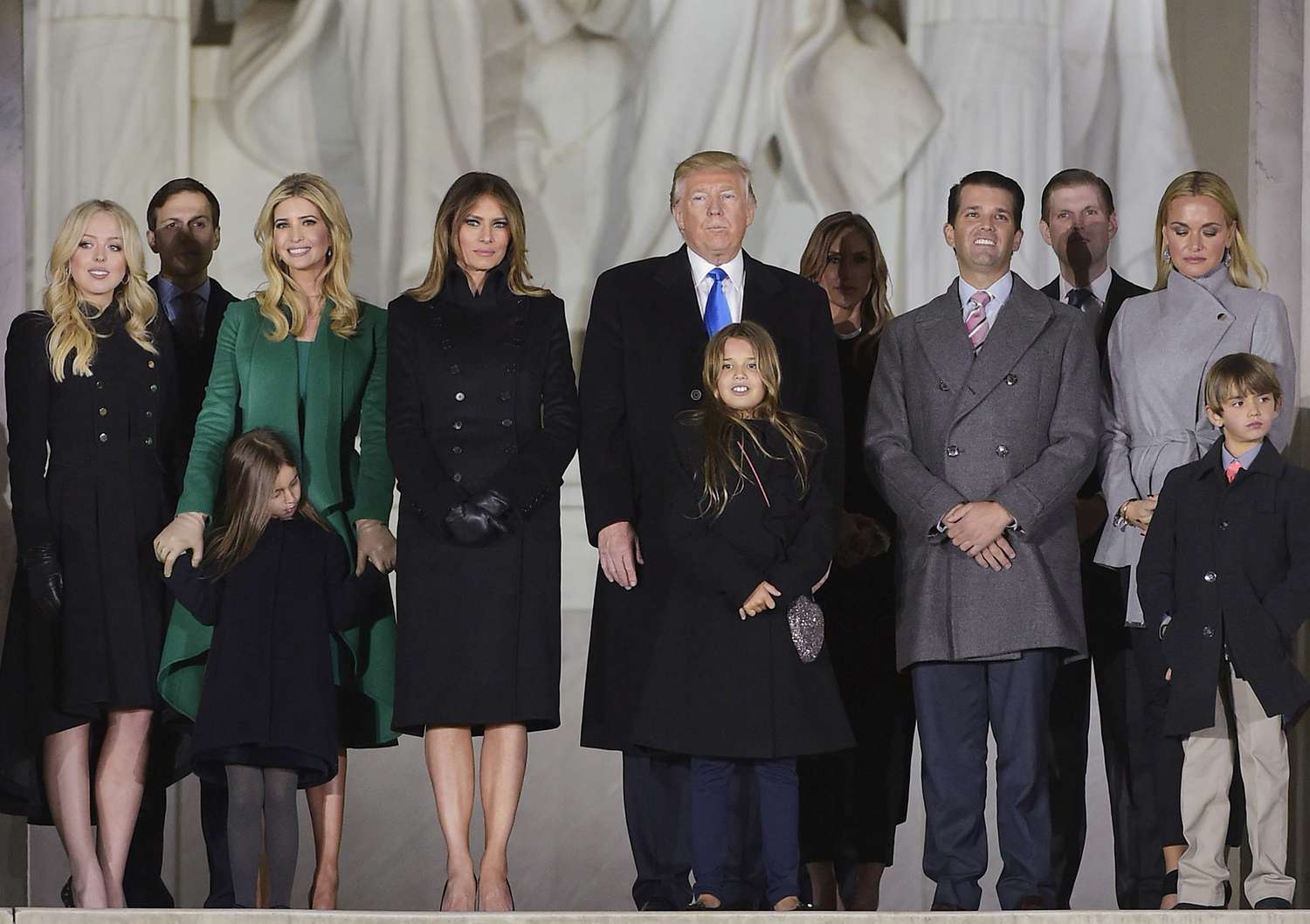
Donald Trump, a name synonymous with real estate, reality television, and politics, presents a complex family tapestry woven with professional and personal threads. His family, deeply enmeshed in his business ventures and political pursuits, forms a network of intricate connections.


By |October 15, 2024|Categories: Article, Family, Politics|Tags: , |0 Comments