The One Big Beautiful Bill Becomes Law: Key Real Estate Tax Changes

Signed into law on July 4, 2025, by President Trump, the One Big Beautiful Bill Act has ushered in significant changes to the landscape of real estate taxation. This new legislation not only extends but also modifies key provisions from the Tax Cuts and Jobs Act of 2017, providing a fresh wave of business incentives and reforms that are particularly beneficial to the real estate industry.

The Act’s implications are far-reaching. It offers a myriad of opportunities for taxpayers to reduce their tax burdens, with notable expansions in benefits for Opportunity Zone investors. This move is expected to increase the availability of low-income housing and new markets tax credits, fostering a more inclusive economic environment.

Congress passes amendments

Interestingly, the Act omits some of the more controversial proposals from previous versions, such as the so-called “Revenge Tax.” Instead, it introduces new incentives for qualified production activities, which are poised to encourage onshoring of manufacturing.

Key Provisions

One of the standout features of the Act is the permanent extension of the 20% deduction under Section 199A for certain individuals, trusts, and estates. This extension is a boon for those involved with partnerships, S corporations, and sole proprietorships, as well as those receiving qualified REIT dividends.

Moreover, the Act reinstates the 100% bonus depreciation under Section 168(k) for qualified property, a move that is expected to stimulate economic activity by encouraging investment in tangible personal property.

Looking Ahead

As the real estate sector begins to navigate these changes, all eyes will be on the Internal Revenue Service (IRS) and the Treasury for further guidance. The continuous monitoring and updates from these bodies will be crucial in ensuring that businesses and investors can effectively leverage the new opportunities presented by the Act.

For more detailed insights, readers can explore the impact on energy-related tax credits and other related topics on the Jones Day website.


More Articles

Getting licensed or staying ahead in your career can be a journey—but it doesn’t have to be overwhelming. Grab your favorite coffee or tea, take a moment to relax, and browse through our articles. Whether you’re just starting out or renewing your expertise, we’ve got tips, insights, and advice to keep you moving forward. Here’s to your success—one sip and one step at a time!

Gene Editing: A Promising Frontier in Biotechnology

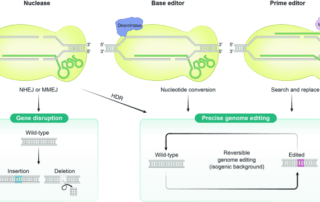
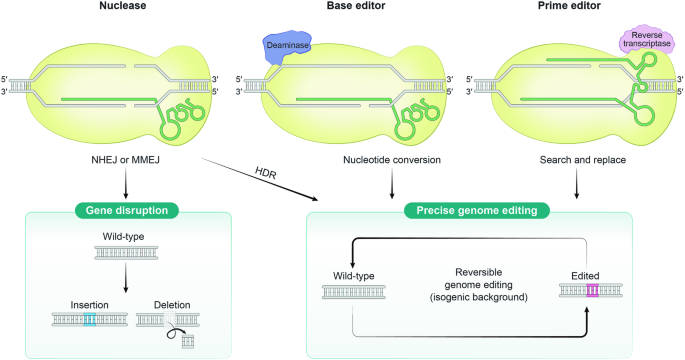
Gene editing technology is swiftly emerging as a transformative force in both healthcare and agriculture, particularly through tools like CRISPR-Cas9, which offer precise methods to modify genes and promise to revolutionize treatment for genetic disorders, cancer, and infectious diseases.

Empowering the Gig Economy: AXA’s Tailored Protection

Angela Wong, Chief Marketing and Customer Officer at AXA Hong Kong & Macau, underscores the critical need for comprehensive insurance solutions for gig workers.

By |November 24, 2024|Categories: Article, Business, Insurance|Tags: , |0 Comments

Ethical Deployment of AI in Healthcare: AMA’s Guiding Strategies

The AMA highlights that AI's integration must be guided by the fundamental principles of medical ethics: patient autonomy, beneficence, nonmaleficence, and justice.

By |November 24, 2024|Categories: Article, Healthcare, Technology Ethics|Tags: , |0 Comments

AI’s Role in Revolutionizing Medical Education

AI, which simulates human intelligence, is reshaping various sectors, particularly healthcare. The ability to perform complex tasks, such as diagnostics and personalized healthcare, is no longer confined to human capabilities alone.

By |November 23, 2024|Categories: Article, Education, Technology|Tags: , |0 Comments

AI Chatbots in Chronic Disease Diagnosis

A recent study published in Nature on July 25, 2024, unveils a cutting-edge chatbot named Chat Ella, designed to assist in the diagnosis of chronic diseases.

Revolutionizing Genetic Research with CRISPR-Cas Technology

CRISPR-Cas technology is not just a tool but a gateway to understanding the genetic influences on diseases.