In a world where
technology is reshaping industries at lightning speed, the
real estate sector is no exception. The rise of
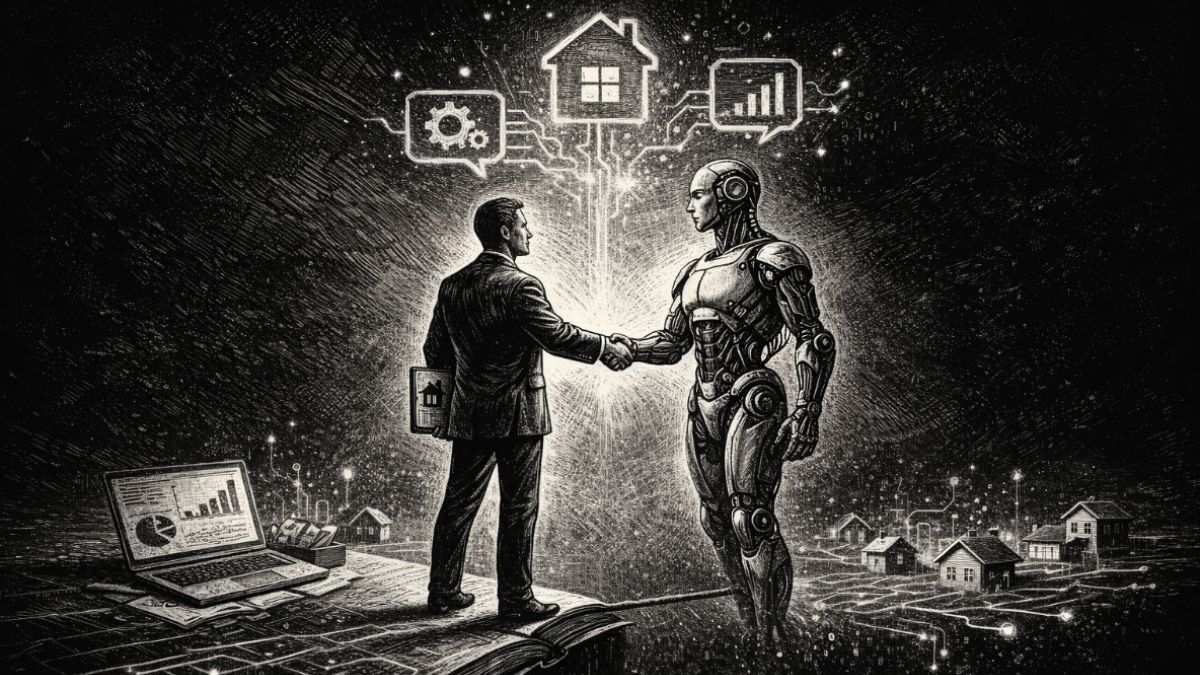
PropTech, or property technology, marks a digital revolution that is transforming how real estate operates in 2024 and beyond.
At its core,
PropTech is about leveraging cutting-edge technologies to address long-standing challenges in the real estate industry. Whether it’s simplifying complex transactions or enhancing transparency and efficiency, PropTech is making real estate faster, smarter, and more user-friendly.
Key Areas of PropTech
- Marketplaces and Platforms: These are connecting buyers, sellers, and renters online, making transactions seamless.
- Smart Home Technology: Internet-connected devices are enhancing home automation and security.
- Property Management Tools: These simplify landlord and tenant relationships, making management more efficient.
- Construction Tech: Innovative practices are advancing sustainable and efficient building methods.
Core Technologies Driving PropTech in 2024
PropTech’s global phenomenon status is driven by technologies like
AI,
VR,
blockchain, and
big data, which are simplifying processes and creating smarter solutions.
1. Artificial Intelligence (AI)
AI is revolutionizing data processing and utilization in real estate. By analyzing vast datasets, AI tools:
- Curate Listings: Provide personalized property recommendations based on preferences, budgets, and lifestyle needs.
- Automate Processes: Efficiently handle tasks like document verification and contract generation.
- Predict Market Trends: Analyze historical data to forecast pricing and demand patterns.
Platforms like
Jome.com exemplify AI’s impact. Jome aggregates data from diverse sources, offering insights into pricing trends and neighborhood amenities, simplifying the home-buying journey.
2. Virtual Reality (VR) and Augmented Reality (AR)
VR and AR are transforming property viewings. Potential buyers can:
- Take immersive virtual tours from home.
- Explore properties under construction using AR.
- Visualize interior designs before purchasing.
3. Blockchain Technology
Blockchain ensures security and transparency in transactions. Its benefits include:
- Smart Contracts: Automate agreements without intermediaries.
- Tamper-Proof Records: Provide reliable ownership histories.
- Secure Payments: Enable faster, more secure transactions.
4. Big Data Analytics
Big data tools transform market research and decision-making by providing insights into:
- Neighborhood trends and amenities.
- Price fluctuations and demand patterns.
- Consumer behaviors and preferences.
Benefits of PropTech for the Real Estate Industry
PropTech is revolutionizing real estate by delivering faster transactions, improved transparency, and enhanced customer experiences, while also offering cost savings.
Jome: Leading the PropTech Revolution
Among the many players in the PropTech space,
Jome.com stands out by focusing on new construction homes. It combines AI and big data to streamline the home-buying process, offering:
- Data Aggregation: Comprehensive market insights on pricing and local amenities.
- AI-Powered Features: From personalized recommendations to contract reviews.
- User-Friendly Design: An intuitive interface for easy navigation.
The Future of PropTech
As technology evolves, PropTech is expected to introduce groundbreaking innovations:
- Sustainable Real Estate Practices: Eco-friendly technologies will drive energy-efficient homes.
- Predictive Analytics: Enhanced forecasting capabilities will help anticipate market changes.
- Decentralized Marketplaces: Blockchain-powered platforms could reduce transaction costs.
- Enhanced Personalization: Advanced AI tools will offer tailored experiences.
PropTech is transforming the real estate industry by integrating advanced technologies to address long-standing challenges. Platforms like
Jome.com exemplify the potential of PropTech, leveraging AI to provide valuable insights and simplify the home-buying process. As we look to the future, the PropTech revolution will continue to enhance the real estate experience for buyers, sellers, and professionals alike. Whether searching for a dream home or exploring investment opportunities, now is the time to embrace these technological advancements.
For more insights, you can read the original article at
BNO News.