In an era where technology is reshaping industries at an unprecedented pace, the Property Technology (PropTech) sector stands as a beacon of innovation. A recent report from StartUs Insights dives deep into this transformation, spotlighting 30 practical use cases and 10 pioneering startups that are redefining the landscape.

The PropTech Revolution


The challenges faced by the PropTech industry are vast, ranging from data security and regulatory compliance to the implementation of sustainable practices. Yet, technologies such as Artificial Intelligence (AI), Virtual Reality (VR), Internet of Things (IoT), and Blockchain are pivotal in addressing these hurdles. These advancements not only enhance customer experiences but also reduce operational costs and promote sustainable practices.

Startups are at the forefront of this technological wave. Consider Mirage Virtual Reality, which simplifies consumer interactions with 3D virtual property tours. Meanwhile, BlueUrbn is making strides in energy efficiency by reducing carbon emissions and cutting maintenance costs. The integration of cloud computing and big data analytics is further digitalizing property management, leading to significant cost reductions.

Why This Report Matters


  • Understand the top 10 technologies that are transforming PropTech companies.
  • Explore three practical use cases for each technology.
  • Discover 10 groundbreaking startups that are driving these technologies forward.

The report underscores the necessity for stakeholders in real estate to embrace these emerging technologies. By doing so, they can optimize resource allocation, improve service quality, and meet evolving customer expectations. The insights provided illustrate how these technologies enhance efficiency, economize resources, and elevate customer engagement.

Technological Integration in Real Estate


Utilizing AI and machine learning, real estate firms can conduct market analysis, property valuations, and understand tenant preferences. Blockchain technology ensures secure property transactions, while AR and VR facilitate virtual property tours, making property visualization more accessible.

For those keen on exploring further, related articles such as the Emergency and Disaster Management Market Report 2025 and the Lighting Market Report 2025 provide additional insights into how technology is influencing other sectors.

Artificial-intelligence_technologies-startus-insights

Conclusion


As we look to the future, the PropTech industry is poised for further transformation, driven by technological innovation. By staying informed and integrating these advancements, stakeholders can ensure they remain competitive and sustainable in this rapidly evolving sector.

More Articles

Getting licensed or staying ahead in your career can be a journey—but it doesn’t have to be overwhelming. Grab your favorite coffee or tea, take a moment to relax, and browse through our articles. Whether you’re just starting out or renewing your expertise, we’ve got tips, insights, and advice to keep you moving forward. Here’s to your success—one sip and one step at a time!

Unlocking Real Estate Wealth in 2025: Strategies for Success

Step into 2025, where the real estate market emerges as a resilient beacon amidst economic unpredictability. Investors are increasingly drawn to secondary cities like Austin and Manchester, attracted by their growth potential, affordability, and enhanced quality of life.

By |February 18, 2025|Categories: Article, Investment Strategies, Real Estate|Tags: , |0 Comments

AI and Urbanization Drive Home Services Market Growth

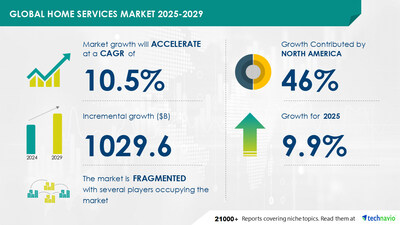
The global home services market is poised for significant growth, with projections indicating an increase of USD 1.03 trillion from 2025 to 2029. This forecasted expansion is attributed to increasing urbanization and the transformative impact of AI on market trends, according to a recent report by Technavio.

Decoding the U.S. Housing Crisis: A Study of Historic Policy Missteps and Demographic Shift

In a revealing study by USC, the roots of the current housing crisis in the United States are traced back to policy missteps and demographic changes that have been unfolding since the early 2000s. The study highlights how these factors have left millennials and people of color disproportionately affected.

Best Real Estate Crowdfunding Platforms for February 2025: Investopedia’s Top Picks

Fundrise stands out for offering investors a chance to diversify their portfolios with real estate exposure through proprietary funds. With a minimum investment as low as $10, it opens doors to beginners and seasoned investors alike.

Top Real Estate Investment Apps of 2025: A Guide for First-Time and Experienced Investors

Business Insider has reviewed a range of platforms available in 2025, focusing on key factors like fees, accessibility for accredited vs. non-accredited investors, and the types of real estate investments offered.