In the heart of New Zealand’s real estate landscape, a quiet revolution is taking place. The age-old practice of property valuation, once a labor-intensive and opaque process, is being transformed by the rise of artificial intelligence (AI). Yet, this transformation is not without its challenges. As the nation grapples with the increasing use of Automated Valuation Models (AVMs), questions about transparency and trust loom large. New Zealand’s economy has often been described as a “housing market with bits tacked on,” a sentiment echoed by many as property transactions become a national pastime. However, the public remains largely in the dark about how these property valuations are crafted. Enter AI, with its promise of efficiency and speed. But as noted in The Conversation, these models often operate as “black boxes,” offering little insight into their inner workings. Woman on laptop with a clipboard and small model house in foreground The journey of AVMs in New Zealand began in the early 2010s, leveraging basic data sources like property sales records. Today, they incorporate sophisticated geo-spatial data from entities such as Land Information New Zealand. While these advancements have improved efficiency, the opacity of proprietary algorithms remains a significant hurdle. In an ongoing effort to address these issues, researchers like William Cheung and Edward Yiu from the University of Auckland are developing frameworks to evaluate and improve these automated valuations. Their work seeks to ensure that AI-driven valuations are not only fast but also fair and transparent. The importance of transparency and accountability in AI valuations cannot be overstated. As highlighted in a recent discussion forum, there is a pressing need for AI developers to disclose data sources, algorithms, and error margins. By incorporating a “confidence interval,” these models can offer a clearer understanding of the uncertainty inherent in each valuation. However, transparency alone is not sufficient. As New Zealand courts now require a qualified person to check AI-generated information used in tribunal proceedings, the role of AI auditors becomes crucial. These auditors, akin to financial auditors in accounting, ensure the accuracy and integrity of valuations. The research by Cheung and Yiu goes beyond transparency, incorporating a bias correction mechanism to address regional disparities and undervaluation issues. By doing so, they aim to prevent long-term market distortions that unchecked AI models could create. As New Zealand navigates this new era of AI in property valuation, the call for a comprehensive evaluation framework—prioritizing transparency, accountability, and bias correction—grows louder. In the end, it’s not just about trusting the algorithms, but trusting the people and systems behind them.

More Articles

Getting licensed or staying ahead in your career can be a journey—but it doesn’t have to be overwhelming. Grab your favorite coffee or tea, take a moment to relax, and browse through our articles. Whether you’re just starting out or renewing your expertise, we’ve got tips, insights, and advice to keep you moving forward. Here’s to your success—one sip and one step at a time!

Exploring the Benefits and Risks of AI in Oncology

The potential of AI to transform medical services is immense. From enhancing diagnostic precision to personalizing treatment options, AI is poised to play a pivotal role in the future of healthcare.

By |January 17, 2025|Categories: Article, Artificial Intelligence, Healthcare|Tags: , |0 Comments

The Future of Oncology: How TechBio is Revolutionizing Cancer Treatment and Beyond

The future of oncology is about more than conquering cancer; it’s an opportunity to redefine healthcare access and equity worldwide, ensuring hope and healing for all.

By |January 17, 2025|Categories: Article, Oncology, TechBio|Tags: , |0 Comments

Telehealth: A New Frontier in Equitable Healthcare Access

"Telehealth" offers a promising avenue to bridge these gaps. By facilitating the provision of specialists, reducing travel needs, and ensuring culturally sensitive care. "Telehealth" promotes health inclusivity.

By |January 16, 2025|Categories: Article, Healthcare, Technology|Tags: , |0 Comments

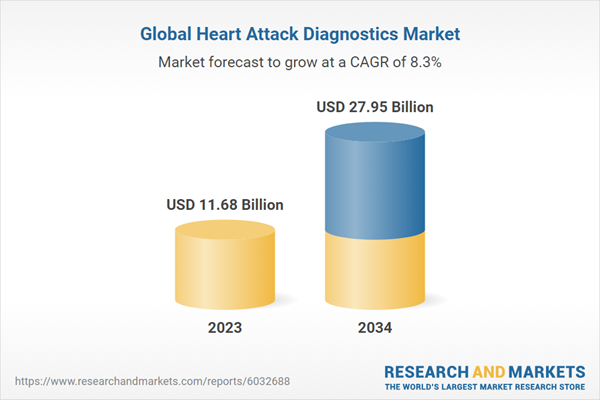
Heart Attack Diagnostics Market Surges with Technological Innovations

The heart attack diagnostics market is poised for remarkable growth, driven by groundbreaking advancements in artificial intelligence, biomarkers, and cutting-edge imaging technologies.

By |January 16, 2025|Categories: Article, Healthcare, Technology|Tags: , |0 Comments

ClearValue Consulting Teams Up with Restb.ai to Revolutionize Real Estate Appraisals

In a bold move to transform the real estate appraisal landscape, ClearValue Consulting has announced a strategic partnership with Restb.ai. This collaboration is set to integrate cutting-edge computer vision technology into ClearValue's renowned valuation review platform, Certainty, bringing about a new era of efficiency and precision in appraisal processes.

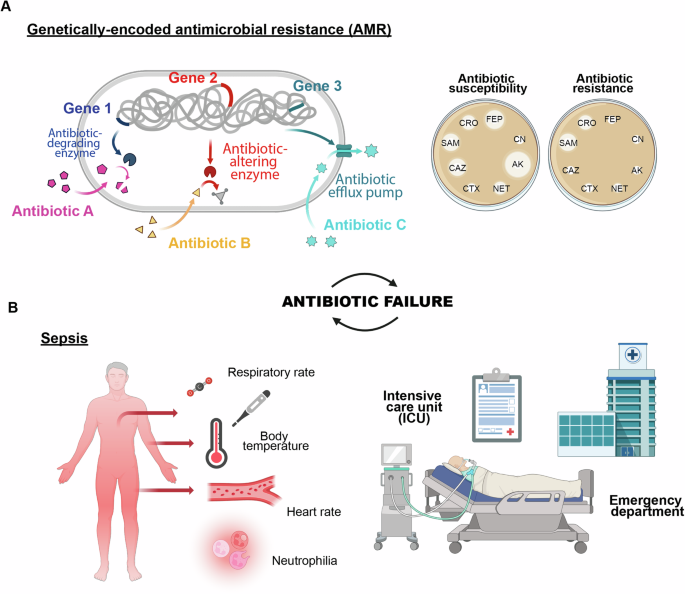
Artificial Intelligence: The New Frontier in Combating Infectious Diseases

AI is transforming how we diagnose and treat infectious diseases, particularly in the realm of antibiotic resistance. Traditional methods of discovering new antibiotics are notoriously slow, often taking years to yield results. However, AI is accelerating this process dramatically.