In the heart of New Zealand’s real estate landscape, a quiet revolution is taking place. The age-old practice of property valuation, once a labor-intensive and opaque process, is being transformed by the rise of artificial intelligence (AI). Yet, this transformation is not without its challenges. As the nation grapples with the increasing use of Automated Valuation Models (AVMs), questions about transparency and trust loom large. New Zealand’s economy has often been described as a “housing market with bits tacked on,” a sentiment echoed by many as property transactions become a national pastime. However, the public remains largely in the dark about how these property valuations are crafted. Enter AI, with its promise of efficiency and speed. But as noted in The Conversation, these models often operate as “black boxes,” offering little insight into their inner workings. Woman on laptop with a clipboard and small model house in foreground The journey of AVMs in New Zealand began in the early 2010s, leveraging basic data sources like property sales records. Today, they incorporate sophisticated geo-spatial data from entities such as Land Information New Zealand. While these advancements have improved efficiency, the opacity of proprietary algorithms remains a significant hurdle. In an ongoing effort to address these issues, researchers like William Cheung and Edward Yiu from the University of Auckland are developing frameworks to evaluate and improve these automated valuations. Their work seeks to ensure that AI-driven valuations are not only fast but also fair and transparent. The importance of transparency and accountability in AI valuations cannot be overstated. As highlighted in a recent discussion forum, there is a pressing need for AI developers to disclose data sources, algorithms, and error margins. By incorporating a “confidence interval,” these models can offer a clearer understanding of the uncertainty inherent in each valuation. However, transparency alone is not sufficient. As New Zealand courts now require a qualified person to check AI-generated information used in tribunal proceedings, the role of AI auditors becomes crucial. These auditors, akin to financial auditors in accounting, ensure the accuracy and integrity of valuations. The research by Cheung and Yiu goes beyond transparency, incorporating a bias correction mechanism to address regional disparities and undervaluation issues. By doing so, they aim to prevent long-term market distortions that unchecked AI models could create. As New Zealand navigates this new era of AI in property valuation, the call for a comprehensive evaluation framework—prioritizing transparency, accountability, and bias correction—grows louder. In the end, it’s not just about trusting the algorithms, but trusting the people and systems behind them.


More Articles

Getting licensed or staying ahead in your career can be a journey—but it doesn’t have to be overwhelming. Grab your favorite coffee or tea, take a moment to relax, and browse through our articles. Whether you’re just starting out or renewing your expertise, we’ve got tips, insights, and advice to keep you moving forward. Here’s to your success—one sip and one step at a time!

A New Blueprint for True Florida Affordability: Jayden D’Onofrio Pushes for Real Relief in 2026

Florida families are feeling the squeeze as everyday costs, insurance premiums, and homeownership barriers continue to climb. House District 102 candidate Jayden D’Onofrio is calling for a broader, more unified affordability strategy—one that tackles the state’s insurance crisis, supports first‑time homebuyers, and restores real competition in the market. His message centers on transparency, practical solutions, and keeping Florida livable for the professionals, workers, and families who power its economy.

Health Insurance Shake‑Up: America’s Coverage Markets Enter a New Era

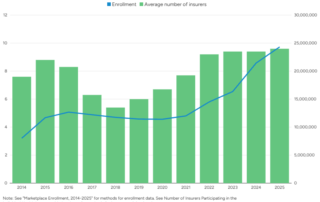
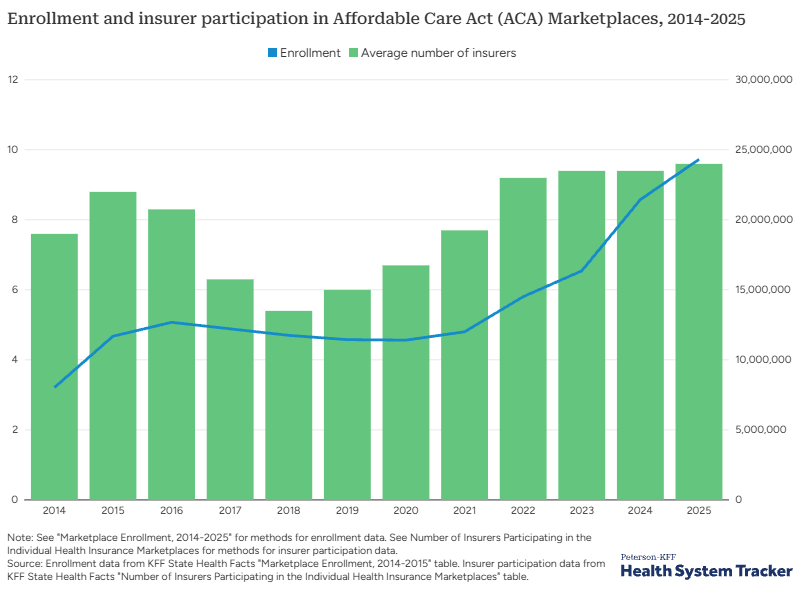
A decade of dramatic change is reshaping America’s health insurance markets. Employer group plans are becoming increasingly dominated by a few powerful insurers, while the ACA individual marketplace is experiencing record‑breaking competition and enrollment. Self‑funded plans are surging, small‑group premiums are driving employers to new coverage models, and major policy shifts in 2025 could redefine affordability for millions. This data‑driven Peterson‑KFF analysis breaks down the trends every insurance, finance, and business professional needs to understand as the industry enters a transformative new era.

Florida’s Next Mega‑Development: Winchester Ranch Set to Transform North Port

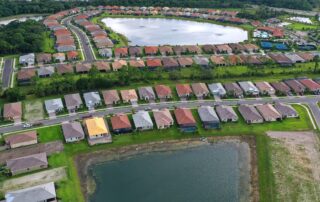
Sarasota County is inching closer to approving Winchester Ranch, a massive 8,999‑home community planned for more than 3,100 acres in North Port. With a 7‑1 vote from the Planning Commission and a final decision expected in early 2026, the project could become one of Southwest Florida’s largest developments in decades—bringing new housing, commercial space, and industry while raising fresh questions about growth, the environment, and the region’s rapidly evolving real estate market.

Lument Finance Trust Closes $664 Million CRE CLO, Signaling Strength in 2025 Markets

Lument Finance Trust has closed a major $663.8 million commercial real estate CLO, marking one of the standout CRE finance deals of 2025. The transaction, LMNT 2025-FL3, features a strong reinvestment period, non‑recourse and non‑mark‑to‑market financing, and a diversified pool of 32 loans tied to 49 properties nationwide. With J.P. Morgan leading the structuring and more than $585 million placed in investment‑grade securities, the deal highlights renewed stability in transitional CRE debt—making it a development real estate and finance professionals will want to watch closely.

Walmart Launches America’s Largest 3D‑Printed Commercial Building Initiative

Walmart has partnered with Alquist 3D to roll out the nation’s first large‑scale wave of 3D‑printed commercial buildings, signaling a major shift in how future retail and industrial spaces will be constructed. After completing an 8,000‑square‑foot 3D‑printed expansion in Tennessee—the largest of its kind—the company is moving forward with over a dozen new projects nationwide, accelerating a tech‑driven transformation in commercial real estate.

Citizens Insurance Proposes 2026 Rate Cuts, Signaling Relief for Florida’s Property Market

Citizens Property Insurance Corp. is recommending statewide rate reductions for 2026—the first proposed decrease in more than a decade. Most Citizens policyholders could see an average 11.5% drop, reflecting recent insurance‑market reforms that have stabilized Florida’s turbulent property sector. With hundreds of thousands of policies moving back to private insurers and state‑backed Citizens shrinking to record‑low enrollment, real estate and insurance professionals should prepare for how lower premiums may influence affordability, buyer confidence, and market activity heading into 2026.